


 Shkruar nga Pamfleti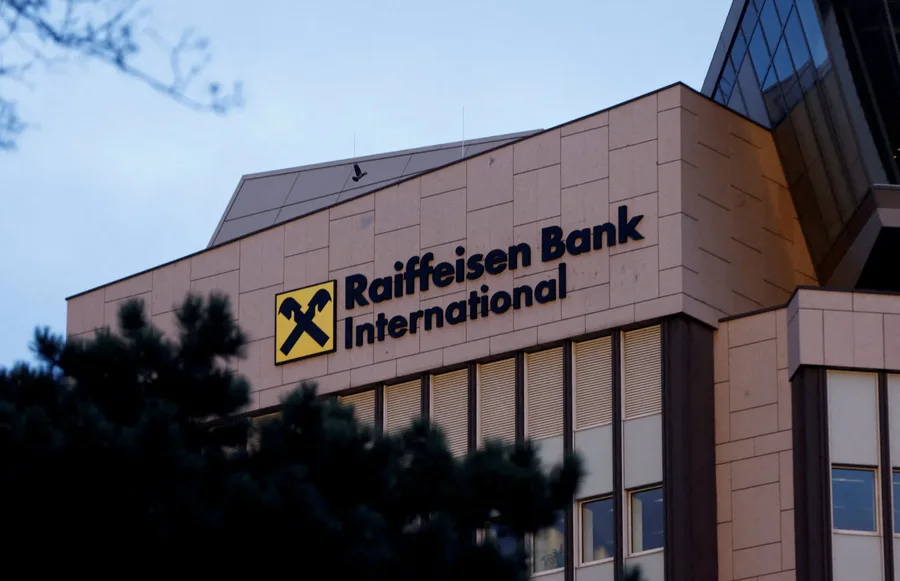
The US is piling pressure on the bank to significantly limit its activities in Russia. In a country where everything is being mobilized in the war effort, Raiffeisen is an accomplice in helping the Kremlin to wage this war.
Only 10 percent of international firms operating in Russia have left Moscow since Vladimir Putin began his full-scale occupation of Ukraine in February 2022. And only 43 percent of those remaining say they intend to leave.
While it is true that many of the big companies have left, some particularly large British firms such as British-Swedish pharmaceutical giant AstraZeneca and consumer goods giant Unilever remain and continue to produce, paying taxes to the Kremlin.
AstraZeneca previously said it would halt investments but continue to sell drugs in Russia as patients rely on the drugs and it is vital for medical supply chains to continue to function.
Smaller players like hotelier Rocco Forte, who runs the Astoria, one of St. Petersburg's most historic and expensive hotels, also remain and continue to host society parties attended by the Russian elite.
Others are more brazen, with German chocolatier Ritter Sport recently defending its decision to stay with the excuse that "Russian children eat chocolate too".
Some European businesses are helping the Kremlin: the eponymous founder of the Austrian firm Otto Hirsch was recently interviewed in a propaganda video distributed by the Russian Embassy in Vienna.
Even the most American company, Coca-Cola, maintains its Russian joint venture by renaming its Russian products. American food giant Mars is also operating in Russia, but has promised to scale back its business and focus on human and pet food, but with profits it says will be used for humanitarian purposes.
But for all those businesses still remaining in Russia, life could become much more difficult.
The single most important European business remaining in Russia is Austria's Raiffeisen Bank International. Within a year of Putin's full invasion of Ukraine, Raiffeisen Bank was responsible for 40-50 percent of all money flows between Russia and the rest of the world.
This link is essential for any Western firms that remain and hope to repatriate their blood-soaked profits. But since June 10, the bank has stopped sending US dollars out of Russia, creating a major complication for the remaining businesses.
Those who remain have largely made a choice that they hope will eventually be able to transfer their wartime earnings abroad. However, the Kremlin has not made life easy for those seeking to leave, at least not if they want to take their winnings with them.
Putin has imposed exit fees requiring foreign firms to sell their assets at a 50 percent discount to what the Kremlin deems market value, and at least 10 percent of those proceeds are taxed to benefit the Russian federal budget. centered on war. In March this year, this "exit tax" was reported to have generated $385m (£302m) for the Kremlin, according to Reuters.
Those who remain in Russia even under these restrictions also require Kremlin approval to repatriate any profits, and channels for sending funds in and out of the country have been severely restricted since almost all Russian banks were excluded from the SWIFT interbank messaging system in March 2022.
But Raiffeisen remains unaffected by these sanctions, as do other Western banks that remain in Russia. So far, the sanctions authorities have not found a way to stop only Russian transactions, and Raiffeisen has remained in Russia.
Raiffeisen charges them substantial fees asking to use its money transfer services, but it has also made huge sums in Russia from the high-interest-rate environment that Putin-loyal central bank chief Elvira Nabiullina created for it. help insulate the economy from sanctions.
In 2022, Raiffeisen reported 2.2 billion euros in profits from its Russian subsidiary, nearly two-thirds of the bank's overall profits. In 2023, it earned another €1.4 billion in Russia, compared to just €997 million from all other businesses combined.
But the bank has not been able to return these profits to its Austrian headquarters or to shareholders because of Kremlin restrictions. However, Raiffeisen appears to have prioritized those profits over demands from European regulators that are pushing it to downgrade Russian loans and eventually exit the Russian market.
Despite Raiffeisen's repeated public statements that it was looking to reduce Russian loans and eventually exit the market, in April it was revealed that it had issued thousands of advertisements for jobs in Russia.
Banka u tërhoq shpejt, por në të njëjtën kohë u angazhua në negociata me përfaqësuesit e oligarkut të sanksionuar Oleg Deripaska në një marrëveshje komplekse për të blerë aksione. Raiffeisen deklaroi vazhdimisht se nuk besonte se marrëveshja do të shkelte sanksionet e SHBA-së, duke i detyruar autoritetet amerikane të ndërmarrin hapin e jashtëzakonshëm të lëshimit të një njoftimi publik për shtyp në mars se po dërgonte një zyrtar të lartë në Vjenë për të diskutuar aktivitetin e Raiffeisen në Rusi. Më 8 maj, banka deklaroi se do të tërhiqej nga marrëveshja për shkak të "kujdesit të bollshëm".
Toleranca e Raiffeisen për rrezikun rus duket se më në fund i ka kushtuar partnerëve kryesorë perëndimorë. Njoftimi i bankës për zbulimin e fundit të eksporteve të saj në dollarë e bëri të qartë se ishte detyruar në këtë veprim, duke fajësuar bankat korrespondente të saj në dollarë amerikanë, të cilat nuk mund të ndikojnë.
Kur u pyet në lidhje me vendimin për t'i dhënë fund eksporteve të dollarëve amerikanë ose planet për të çliruar anën ruse të biznesit, Raiffeisen tha: "Që nga fillimi i luftës, RBI ka ndërmarrë hapa thelbësorë për të reduktuar pagesat në USD dhe EUR jashtë Rusisë".
“Ndërsa RBI zbaton kufizime të mëtejshme, këto do të duhet t'u komunikohen klientëve në Rusi – siç u bë në fund të majit nga Raiffeisenbank Rusia. Planet e RBI për të dekonsoliduar bankën e saj ruse (mundësisht me shitje) janë ende në vazhdim. Për shkak të kompleksitetit të këtij procesi, ne nuk mund të ofrojmë një afat kohor derisa një transaksion i tillë mund të ekzekutohet. Sanksionet e fundit të SHBA-së nuk ndikojnë në planet tona për të dekonsoliduar bankën ruse të RBI", thuhej më tej në deklaratën e Raiffisen.
Sipas Maria Shagina, studiuese e Diamond-Brown për Sanksionet Ekonomike, Standardet dhe Strategjinë në Institutin Ndërkombëtar për Studime Strategjike (IISS), "Raiffeisen ka qenë një urë kritike financiare në Perëndim për shumë biznese ruse".
Shagina paralajmëron se kësaj po i vjen fundi, megjithatë, pasi SHBA-ja po grumbullon presion mbi bankën për të kufizuar ndjeshëm aktivitetet e saj në Rusi. Në një vend ku gjithçka po mobilizohet në përpjekjet e luftës, Raiffeisen është bashkëpunëtor në ndihmën e Kremlinit për të zhvilluar luftë.
Ndërsa nuk është e qartë se cilat kompani numëron banka Raiffeisen midis klientëve të saj, roli dominues i bankës në shkëmbimin e parave brenda dhe jashtë Rusisë do të thotë se çdo lëvizje për të kufizuar fluksin e fondeve mund të ndikojë në bizneset e huaja që mbeten.
Bankat e tjera perëndimore që mbeten në Rusi, të cilat përfshijnë Unicredit dhe Intesa Sanpaolo të Italisë, OTP të Hungarisë, Commerzbank dhe Deutsche Bank të Gjermanisë, dhe banka holandeze ING nuk ka gjasa të marrin tregun, veçanërisht pas raundit të fundit të sanksioneve amerikane më 12 qershor.
The United Kingdom joined them a day later and to make this measure comprehensive, Europe must also do so but first of all it must demand that Raiffeisen finally abandon its efforts to keep its subsidiary in Russia. Adapted "Pamphlet" from " Inews "






Lini një Përgjigje