


 Shkruar nga Pamfleti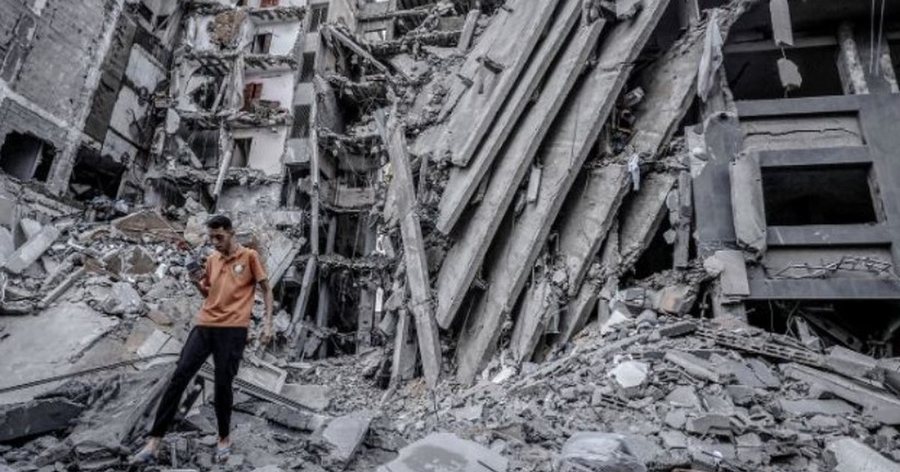
Since Israel launched retaliatory strikes against the Hamas militant group in the Gaza Strip on October 7, the number of small bodies, wrapped in white shrouds and surrounded by the screams and cries of relatives, has been growing. According to the Ministry of Health in Gaza, more than 4,500 children have been killed in just over a month of war.
"It was only two and a half months. What has he done? Did he kill? Has he injured anyone? Did he kidnap someone? They were innocent children inside their home," a Palestinian father told Reuters news agency.
He lost his four children, the eldest aged 14, and his wife after an Israeli airstrike hit their home in northern Gaza.
The Israel Defense Force says it is targeting Hamas militants and infrastructure and accuses the extremist group of hiding fighters and weapons in residential areas.
Hamas, which controls Gaza, has prompted Israel's fierce response after the former attacked its territory, killing more than 1,400 people and taking nearly 240 hostages.
In five weeks of attacks in Gaza, according to health authorities there, more than 10,000 people have been killed - nearly half of them children.
The Secretary General of the United Nations, Antonio Guterres, has said that Gaza is turning into a graveyard for children.
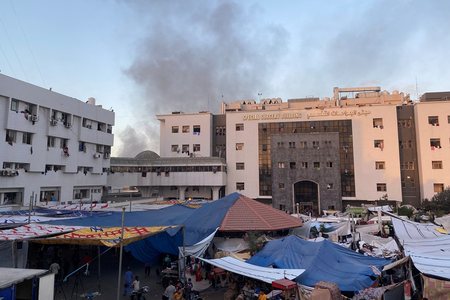
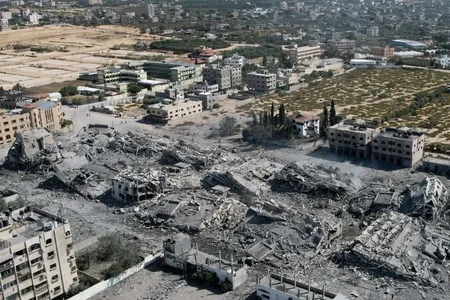
"Israeli Defense Forces ground operations and ongoing shelling are hitting civilians, hospitals, refugee camps, mosques, churches and UN facilities, including shelters. No one is safe," Guterres said.
The reactions of organizations for the protection of children's rights have one thing in common: the call for an immediate ceasefire.
Jason Lee, director for the Palestinian Territories of the Save the Children group, said in an interview with the Voice of America that children in Gaza are paying a high price for the conflict and that all parties must fulfill their obligations to protect them.
"The situation in Gaza is serious and is getting worse. We are now in a time where every 10 minutes a child is killed and every five minutes a child is injured. And these are life-changing injuries," Lee said.
Save the Children, headquartered in London, has estimated in a report that in the first three weeks of the war alone, the number of children killed in Gaza has exceeded the total number of those killed in all conflict zones in the world, in every year from 2019 onwards.
But, if not attacks, diseases can also become the cause. The United Nations and the British charity group Oxfam have warned that the collapse of water and sanitation services as a result of the siege of Gaza could lead to massive outbreaks of cholera and other infectious diseases. And, in such circumstances, children and infants will be at high risk.
Rregullat e pranuara ndërkombëtarisht të konfliktit të armatosur janë mishëruar në Konventat e Gjenevës në vitin 1949 dhe, sipas tyre, fëmijët duhet të mbrohen dhe të trajtohen në mënyrë njerëzore.
Sipas Kombeve të Bashkuara, në Gazë gati gjysma e popullsisë 2.3 milionë banorëshe janë fëmijë nën 18 vjeç. Shumica e atyre që kanë lindur nga viti 2007, kur Hamasi ka marrë kontrollin, nuk kanë dalë nga Gaza kurrë, për shkak të një bllokade të Izraelit, të vendosur në po të njëjtin vit.
Shumica janë rritur në varfëri, pak kanë pasur qasje të rregullt në kujdes të duhur shëndetësor, arsim ose ujë të pastër. Dhe, lufta aktuale vetëm se ka nxjerrë edhe një herë në pah se sa të cenueshëm janë ata.
Jess Ghannam, profesor i psikiatrisë në Universitetin e Kalifornisë në San Francisko, thotë për programin Expose të Radios Evropa e Lirë se për fëmijët në Gazë, praktikisht, nuk ka asnjë vend të sigurt.
I specializuar për efektet psikologjike të konfliktit të armatosur te fëmijët, Ghannam thotë se katastrofa që po shpaloset në Gazë, nuk është parë ndonjëherë në epokën moderne.
“Dhe, të jem i sinqertë, është jashtëzakonisht e vështirë dhe e dhimbshme të jesh dëshmitar i këtyre niveleve të vdekjeve dhe shkatërrimeve që kanë përfshirë palestinezët që jetojnë në Gazë. Është e tmerrshme, e neveritshme dhe fatkeqe që nuk ka ndonjë lëvizje në komunitetin global, në nivelin qeveritar, për ta ndaluar këtë”, thotë Ghannam.
Përmes një deklarate të përbashkët, udhëheqësit e Shteteve të Bashkuara, Britanisë, Francës, Gjermanisë, Italisë dhe Kanadasë kanë bërë thirrje për “respektimin e ligjit ndërkombëtar humanitar në Gazë, përfshirë edhe mbrojtjen e civilëve”. Por, sipas raportimeve të autoriteteve lokale, atje vazhdon të ndodhë e kundërta.
Psikiatri Ghannam, i cili ka vizituar Gazën dhjetëra herë në dy dekadat e fundit, kujton se fëmijët atje kanë përjetuar tashmë disa luftëra mes Izraelit e Hamasit.
“Nëse je fëmijë që ke lindur pas vitit 2006 në Gazë, ti ke përjetuar së paku pesë sulme të mëdha ushtarake nga ushtria izraelite, me bomba që bien në komunitetin tënd. Ke parë vdekje dhe shkatërrime në komunitet dhe familje, si asnjë fëmijë tjetër në botë. Pra, nuk ka asgjë si kjo. Nuk ka asnjë krahasim në botë. Kjo është e trishtueshme, sepse ka vërtet gjëra të tmerrshme dhe traumatike që po ndodhin në botë, por asgjë nuk krahasohet me atë që po përjetojnë fëmijët në Gazë”, thotë Ghannam.
Ai tregon se trauma ka ndikim më të madh te një person kur ai nuk është në gjendje të largohet nga një situatë e rrezikshme. Për fëmijët thotë se trauma prek sistemin e tyre nervor në forma shumëdimensionale dhe ndikon te mënyra se si zhvillohen emocionalisht dhe si avancojnë në procesin e të mësuarit.
“Edhe nëse bombardimet ndalen sot, pasojat do të zgjasin gjatë gjithë jetës së tyre, por do të barten edhe te fëmijët dhe nipërit e tyre. Kjo është diçka që do të vazhdojë për shumë breza, për fat të keq”, thotë Ghannam.
According to a report published by Save the Children in 2022, four out of five children in Gaza live with depression, grief and fear, while more than half struggle with suicidal thoughts.
According to another study published in 2020 in the journal "Frontiers in Psychiatry", close to 90 percent of children and adolescents in Gaza have experienced personal trauma and more than 80 percent have witnessed the trauma of others.
Abigail Gewirtz, a child psychologist at the University of Arizona, says how a child copes with trauma is directly related to the level of support they have from a parent or caregiver. If he does not have that support, the trauma in him becomes even more pronounced.
"A child whose parent has been injured, killed or taken hostage is traumatized. That child's life has been taken. There is, of course, nothing more terrible for a child than being separated from or losing a parent. And there is nothing more terrifying for a parent than to know that their child is somewhere far away without them, or injured or killed," Gewirtz tells Expose.
Experts say children on the other side of the conflict, in Israel, are equally exposed to traumatic events, including sirens of attacks or sudden explosions.
In the attack by Hamas, on October 7, the Israeli authorities said that children and babies were also killed, while among the hostages who continue to be held by Hamas, there are also at least 30 children.
Both Ghannam and Gewirtz say the trauma and stress experienced by some children in Israel is no different from what their peers experience on the other side of the border. The only difference is that children in Israel have access to mental health care, those in Gaza mostly do not.
“We know that children are resilient and need certain things to heal from traumatic events. In the first place are parents and guardians who can support them, take care of them, love them and help them with their routine", says Gewirtz.
"Trauma is continuous, with days, weeks, months, years and decades. And when there is no health care infrastructure, when there is no access to treatment, the trauma has no chance of healing. This, in fact, is the main difference between Palestinian children and Israeli children, who have access to some of the best health care services in the entire world," says Ghannam.
Both interlocutors agree that what is happening to children in this conflict is not in the interest of anyone who wants peace between Israelis and Palestinians. And one thing is certain, the cost of this war will ultimately be measured in the lives of these children - both those lost and those forever changed./REL


Lini një Përgjigje