


 Shkruar nga Pamfleti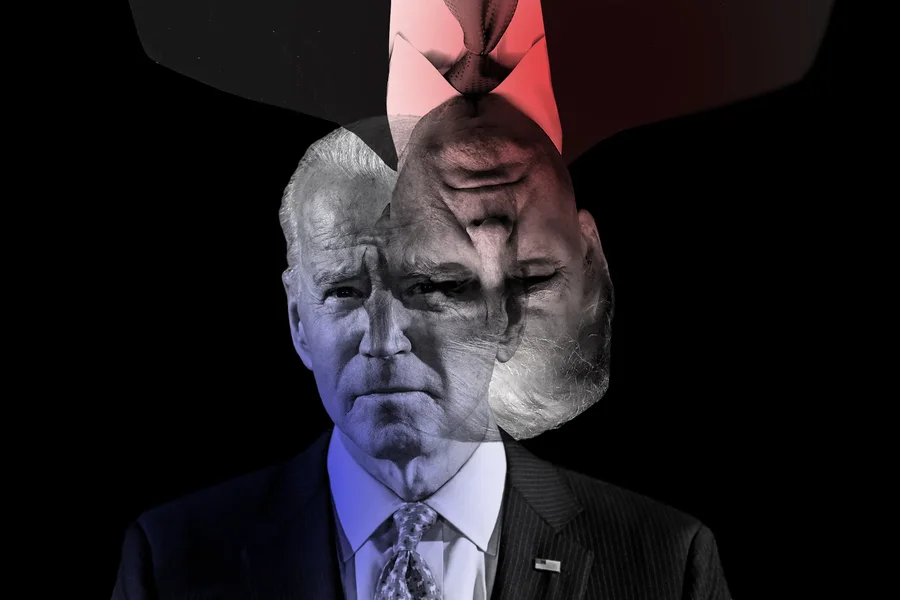
Instead of putting them to one side, his administration has kept most of these Trump-era policies and even built its approach these 3 years on them...
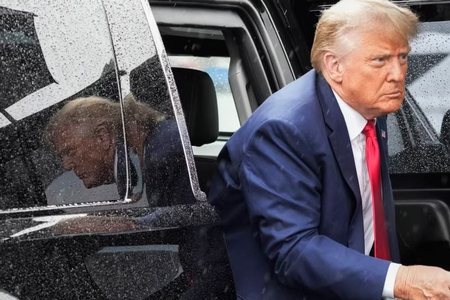
Donald Trump is a braggart and a liar who tried to stage a coup. But also as president he is the person who brought the historic changes in the foreign and domestic policy of the USA on which Joe Biden has built his government in these 3 years.
What makes a truly historic presidency? In essence, it requires a radical break with the past – the consequences and premises of which are then accepted and absorbed by your political opponents. Franklin Roosevelt did this with the New Deal. Lyndon Johnson did this with the Civil Rights Act. Ronald Reagan did it with the deregulatory, tax-cutting policies now commonly called neoliberalism.
Presidents who came after Reagan essentially accepted the free market philosophy he bequeathed. Bill Clinton pushed the North American Free Trade Agreement. George W Bush welcomed China to the World Trade Organization. The Obama administration worked toward a US-China bilateral investment treaty and agreed to the Trans-Pacific Partnership, a new trade agreement.
Trump, however, rejected the pro-globalization consensus of the previous 40 years. During the campaign, he accused China of mocking America and belittling it. In his inaugural address, he lamented the "American carnage" he blamed on globalization. Listening in the audience, Bush reportedly muttered, "That was some weird shit."
On his first day in office, Robert Lighthizer, Trump's trade representative, imposed a series of tariffs on China. Trump also renegotiated Nafta, which was renamed the USMCA. All of this was justified in the name of bringing back industrial jobs to the US. The new rivalry with China was also geopolitical.
And what has Biden done with all this "weird shit"? Instead of putting it to one side, his administration has retained most of these Trump-era policies and even built its own approach on them. Privately, some administration officials say it was a mistake to let China join the WTO. Trump's tariffs on China are still in place.
This administration has also embraced the concept of great power rivalry with China. Biden's own National Security Strategy describes China as the "most important" geopolitical challenge for America.
"Bidenomics," the president's ambitious and interventionist economic policies, are fueled by a Trump-like desire to reindustrialize America and rebuild the middle class.
The Biden team would argue, with some fairness, that his policies are more systematic than those of the Trump administration and contain some new elements. The emphasis on encouraging clean energy and combating climate change is distinctly Democratic.
Biden's efforts to curb Chinese power are also less vulnerable to presidential whims. Trump tended to deplore China with one breath and praise China's leader, Xi Jinping, with the other. He probably saw his tariffs as a means to eventually negotiate a better trade deal with China, until the pandemic derailed all efforts to improve relations with Beijing.
Administrata Biden është më pak e fokusuar në bilancin tregtar SHBA-Kinë dhe po bën një përpjekje më sistematike për të kufizuar eksportin e teknologjive kryesore në Kinë. Ekipi i Biden gjithashtu mund të pretendojë se ka investuar shumë më tepër para në përpjekjet për të riindustrializuar SHBA-në sesa bëri Trump.
Por këto janë kryesisht ndryshime në zbatim dhe jo në filozofinë themelore. Ashtu siç nuk do ta pranonin, ekipi i Biden-it ka arritur të ndajë shumë nga supozimet bazë të Trump - në lidhje me tregtinë, globalizimin dhe rivalitetin me Kinën.
Dy faktorë e kanë nxitur këtë rivlerësim. Së pari, fitorja e Trump në vitin 2016 i detyroi demokratët të merrnin më seriozisht gjendjen dhe zemërimin e punëtorëve amerikanë. Administrata Biden ka arritur në përfundimin se nuk mund t'i shesë më globalizimin popullit amerikan. Pa një përpjekje për të adresuar shtytësit ekonomikë të Trumpizmit, vetë demokracia mund të jetë në rrezik. Kështu që ekipi i Biden-it më në fund ka braktisur nostrumat e tregtisë së lirë të përqafuar nga "demokratët e rinj" të Bill Clinton-it në vitet 1990.
Administrata Biden beson gjithashtu, siç argumentoi Trump, se 40 vjet politikë e SHBA-së ndaj Kinës në fakt kanë dështuar dhe se një Kinë e udhëhequr nga partia komuniste nuk do të jetë kurrë një "palë e përgjegjshme e interesit" në sistemin ndërkombëtar.
Therefore, in important respects, Trump brought about a lasting revolution in US foreign and domestic policy.
It may seem strange - even repugnant - to give him credit for serious changes in ideology and politics. To many in Washington, Trump is a barbarian whose defining legacy will always be his assault on the American democratic system. But perhaps the US needed a taboo-breaking barbarian to create such a decisive break with a 40-year consensus on trade, globalization and China. / Adapted "Pamphlet" from "Financial Times"





Lini një Përgjigje