


 Shkruar nga Pamfleti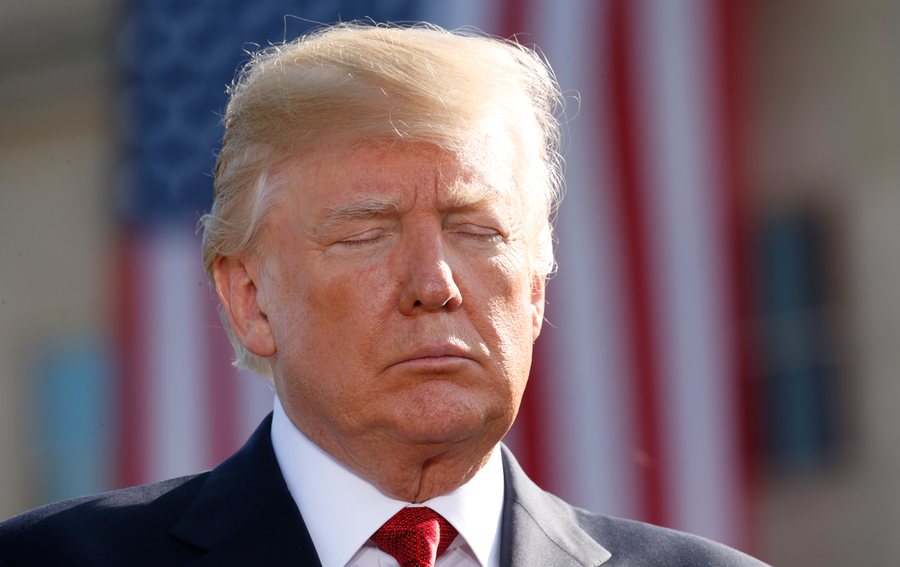
Donald Trump may have calculated that this would soften Iran's stance, but just as he was wrong that maximum pressure would bring Iran to the negotiating table, he will turn out to be wrong that the Israeli attack could give him a diplomatic victory.
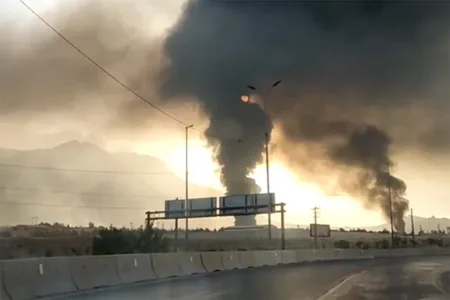
Israel's attack on Iran is unlikely to push Iran into a weakened position at the negotiating table for nuclear talks, Iran experts said, adding that it is more likely to trigger a war that the Trump administration has tried to avoid.
" It is hard to believe that Israel would have attacked and could have attacked on this scale without the knowledge and green light of the US ," said American foreign policy expert and former US State Department adviser Vali Nasr.
He added that US President Donald Trump may have calculated that this would soften Iran's stance, but just as he was wrong that maximum pressure would bring Iran to the negotiating table, he will turn out to be wrong that the Israeli attack could give him a diplomatic victory.
“He could end up getting involved in the war that he and the MAGA base have said they don’t want, ” Nasr said.
Washington has long sought to limit Tehran's nuclear capabilities, with the most recent negotiations in Rome last month ending without an agreement. A sixth round of US-Iran talks was scheduled for Sunday in Oman and it is not clear whether they will continue.
Trita Parsi, executive vice president of the Quincy Institute in Washington, DC, said today's attacks were not a preemptive strike against Iran alone, but rather Israel seeking to destroy Trump's and America's chance to secure a deal with Iran that prevents it from building nuclear weapons.
Ali Vaez, director of the Iran project at the International Crisis Group, said Israel's attack would likely destroy Trump's diplomacy with Iran.
“ What Trump does next could determine whether his presidency is consumed by another war in the Middle East or not ,” he said. Vaez added that Israel’s attacks have opened the door to further suffering on both sides.
Trump set a 60-day deadline for deal negotiations with Iran to succeed, in a letter to Iran's supreme leader, Ayatollah Ali Khamenei, earlier this year.
Time began to tick when the first round of talks on the Iran deal between the US and Iran began on April 12. The 60-day deadline passed on Thursday.
"Iran should have listened to me when I said - you know I gave them, I don't know if you know, but I gave them a 60-day warning and today is the 61st day ," Trump told CNN on Friday morning.
Trump issued a warning to Iran of possible military action when he first spoke about the letter to Khamenei earlier this year.
" I hope that Iran, and I wrote them a letter, saying I hope that you will negotiate because if we have to intervene militarily, it will be a terrible thing for them. I said, I hope that you will negotiate, because it will be a lot better for Iran ," Trump said in an interview with Fox earlier this year when referring to the letter.
U.S. officials and those involved in the talks with Iran knew that pressure to secure a deal had been building in recent weeks as the deadline approached. But U.S. officials had said that negotiations on the Iran deal would continue beyond the 60-day deadline. Now the future of the talks is uncertain, even as U.S. officials are pushing for them to continue. Iran, on the other hand, has announced its withdrawal from the negotiating table, implying that everything is now over and that the response will be military./ Pamphlet



Lini një Përgjigje