


 Shkruar nga Pamfleti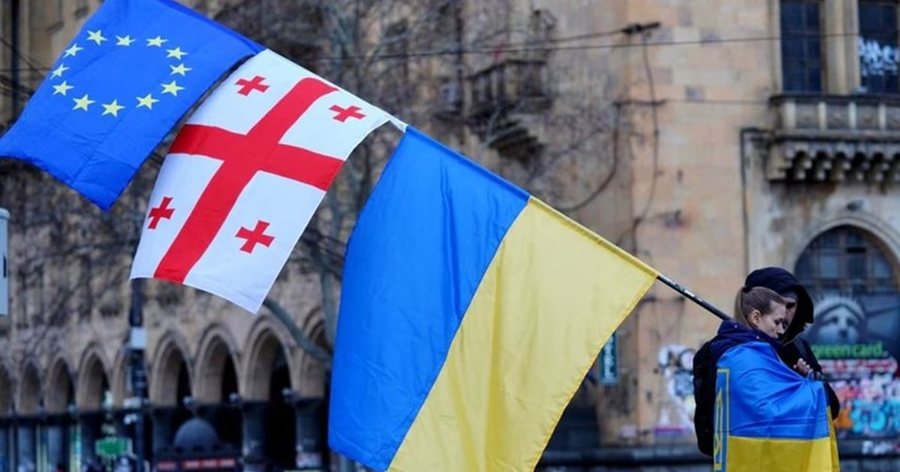
In December 2023, the leaders of the European Union have taken the historic decision to start membership talks with Ukraine and Moldova.
However, even after two months of 2024 have passed, the de facto opening of negotiations has not happened, as there are voices within the European bloc who fear that the EU is acting quickly in this direction, especially when it comes to Kiev.
The dilemmas grow even more, as the European Parliament will hold elections in June this year.
As Ukraine and Moldova are now tied in their enlargement perspective, this naturally has an impact on Chisinau.
At this moment, several aspects must be observed at the same time, starting from the negotiating framework that must be approved for both Ukraine and Moldova, as well as the "medium-term" assessments for both, as well as for Bosnia and Herzegovina, which the Commission The European Union is expected to deliver money to member countries on March 12.
The full reports for all candidate countries of the Western Balkans and those in Eastern Europe will be published at the end of October.
The best way to understand the whole process is by going back to the conclusions of the EU summit, held in December last year, when all 27 leaders of the member countries agreed when it came to enlargement.
The document states that "the European Council decides to open membership negotiations with Ukraine and the Republic of Moldova." The European Council invites the Council to approve the respective negotiating frameworks after the Commission's recommendations of November 8, 2023 have been fulfilled.
As for Ukraine and Moldova, recommendations related to rule of law issues are already being implemented, although it is then up to interpretation whether they have all been completed. It is not up to the European Commission to make interpretations in this regard, nor to the EU countries to agree or disagree with them. In other words, moving forward may seem like a process based on merit, but like everything else in Brussels, it is political at its core.
Even for Bosnia and Herzegovina, it seems to have gone back to the conclusions. At the same summit, when it came to Sarajevo, it was said that "the European Council will open membership talks with Bosnia and Herzegovina, as soon as compliance with the membership criteria is achieved. The Council asks the Commission to report on the progress made in March 2024, before the decision is taken".
Where is the process now?
Sarajevo is a step behind Ukraine and Moldova, as the start of the talks is conditional on the completion of a number of reforms, which are mentioned in the European Commission's enlargement report, published in November of last year.
But there are also political stakes here, as some of Sarajevo's biggest supporters in the EU – Austria, Croatia, Hungary and Slovenia – all want Bosnia to move at the same pace as Ukraine and Moldova.
Therefore, these countries have taken advantage of the situation, using a kind of veto to give the green light to Chisinau and Kiev, in order to convince some countries that have dilemmas about Bosnia's progress.
Another point is that EU leaders have requested a specific report on the progress Bosnia has made by March 2024, something that has not been requested for Moldova and Ukraine. The most likely scenario is that the European Commission will submit a written report on Bosnia, while it will only make oral assessments on Ukraine and Moldova.
EU leaders will meet again for a summit in Brussels on March 21-22. Several sources have told Radio Free Europe that Germany and France do not want the summit to be dedicated to enlargement, as they are more interested in Ukraine's armament problem.
The most promising date seems to be the end of June. Of course, after the European elections. EU leaders plan to hold two summits in Brussels - mainly to elect the president of the European Commission and the European Council - but also to discuss enlargement.
There is another reason why the end of June could be the deadline – Ukraine and Moldova can complete some reforms by then.
What about the negotiating framework mentioned in the conclusions of the summit?
In fact, it is a 20-page document that mentions some of the main chapters of the negotiations, usually around 33, and each focuses on different areas, for example agriculture, taxation, internal affairs and what a candidate country should do. to harmonize the laws with those of the EU.
Usually, the document is a summary and does not contain any controversial political elements, and a similar one is not even expected to be formulated for Ukraine and Moldova.
The European Commission is working on drafts, and the president of this body, Ursula von der Leyen, said during a visit to Kiev, on the second anniversary of the war with Russia, that the negotiating framework for Kiev (as well as for Chisinau) could be ready in the middle of March.
The big question mark is whether EU member states will approve them.
Approval must be unanimous, so June may be the best deadline.
Hungary's plan and Georgia's involvement in it
Included in this rather complex picture are two other countries: Georgia and a Hungarian plan for Tbilisi to move forward.
Budapest and the European Commissioner, Oliver Varhelyin, who is engaged in the enlargement negotiations.
Hungary will be in charge of the six-month presidency of the European Council from July 1.
Duke marrë parasysh dilemat e hapura të Budapestit për anëtarësimin e Ukrainës në BE – të ilustruara më së miri në dhjetor, kur kryeministri hungarez, Viktor Orban është detyruar të largohet prej dhomës, në mënyrë që vendet tjera t’i jepnin dritën e gjelbër Ukrainës për nisjen e bisedimeve të anëtarësimit – ka shqetësime që Ukraina nuk do të lëvizë aspak në këtë drejtim, as në gjysmën e dytë të vitit 2024.
Diplomatët, me të cilët ka biseduar Radio Evropa e Lirë, janë të ndarë në dy kampe të ndryshme.
Disa mendojnë që Hungaria do të jetë aktive ndaj gjithçkaje që është ukrainase dhe që çdo vendim që lidhet me Kievin do të duhet të merret para 1 korrikut, ose duhet të presë derisa Polonia të jetë në krye të presidencës, më 1 janar të vitit 2025.
Të tjerë besojnë që nuk duhet të krijohet shumë histeri dhe të mbivlerësohet roli i Hungarisë në vendimmarrje vetëm pse është në krye të presidencës, pasi nëse Budapesti dëshiron të shkaktojë telashe, ai do ta bëjë këtë si kur është, si kur nuk është në presidencë.
Për më shumë, vendimet për zgjerimin duhet të merren në mënyrë unaime.
Mund të thuhet që një konferencë ndërqeveritare do të mbahet me Moldavinë dhe Ukrainën në qershor. Nuk mund të përjashtohet një e tillë edhe me Bosnjën.
Në këtë pikë duhet përmendur edhe rolin e Varhelyit, i cili pavarësisht faktit që zyrtarisht punon për Komisionin Evropian, duket se i pëlqen qëndrimet e Budapestit, kur është fjala për zgjerimin. Procesi i verifikimit për Ukrainën dhe Moldavinë përbën shembull konkret.
Verifikimi është proces kur zyrtarët e Komisionit Evropian ulen dhe homologët e tyre, në këtë rast me ata të Ukrainës dhe Moldavisë, dhe analizojnë politikat e të gjitha fushave, për të parë se si mund të harmonizohen ligjet e këtyre vendeve me ato të BE-së. Në këtë drejtim, verifikimi përbën mishin dhe skeletin e kornizës negociuese.
Diplomatët e BE-së prej vendeve anëtare janë shprehur të befasuar kur kanë mësuar në janar që procesi i verifikimit nuk ka nisur menjëherë me Ukrainën dhe Moldavinë, pasi liderët e BE-së janë pajtuar për hapje të negociatave qysh në dhjetor.
Në fakt, procesi i verifikimit nuk ka nisur ende, ndonëse zyrtarët ukrainas dhe ata moldavë pretendojnë të kundërtën. Çfarë në të vërtetë ka ndodhur janë disa takime sqaruese me diplomatë ukrainas dhe moldavë, me mundësinë e nisjes së takimeve mbi verifikimin në këtë pranverë.
Zërat diplomatikë në BE kanë thënë se Varhelyi nuk e ka nisur procesin pa e pasur një dritë të gjelbër prej vendeve anëtare, ndonëse disa zyrtarë kanë pohuar që për një hap të tillë teknik nuk nevojiten nënshkrimet e udhëheqësve të kryeqyteteve të bllokut evropian.
Si përfundimin, Ukraina i ka humbur disa muaj, falë konfuzionit institucional dhe zvarritjeve brenda BE-së.
Ku është pozicioni i Gjeorgjisë në këto diskutime?
Georgia has received the status of a candidate country for EU membership, at the same summit when EU leaders have decided to start membership talks with Moldova and Ukraine. But even here it is possible to notice the influence of Hungary. We take as an example a meeting between the EU and Georgia that took place in February in Brussels.
In a normal situation, no meeting should even be held between the parties, they can only exchange information about the most important political developments. However, this time, the prime minister of Georgia, Irakli Kobakhidze, was present, while on the other side, the chief diplomat of the EU, Josep Borell, was present, together with Varhelyi.
In these cases, the EU member countries do not even send their ambassadors to the meetings, but only the officials for issues of the east of Europe. Not this time either, as the Hungarian Foreign Minister, Peter Szijjarto, was seen at the meeting. The governments of Georgia and Hungary have cultivated close political ties, but this step has been quite unusual.
According to some sources who were in the discussion room, the Hungarian minister said that the enlargement will be a priority of the Hungarian presidency in the EU, but he then mentioned the need for an intergovernmental conference with Georgia at the end of the year.
This statement can be considered powerful, since the European Commission has not yet made a recommendation for starting membership talks with Georgia. Something like this can be implemented when the annual report on enlargement is published, in October, but even then the vote of 27 member countries is needed.
Therefore, it can be assumed that Budapest can try to accelerate Georgia's path to the EU, and thus can use its veto when it comes to Ukraine and Moldova./ REL




Lini një Përgjigje