


 Shkruar nga Elena Tebano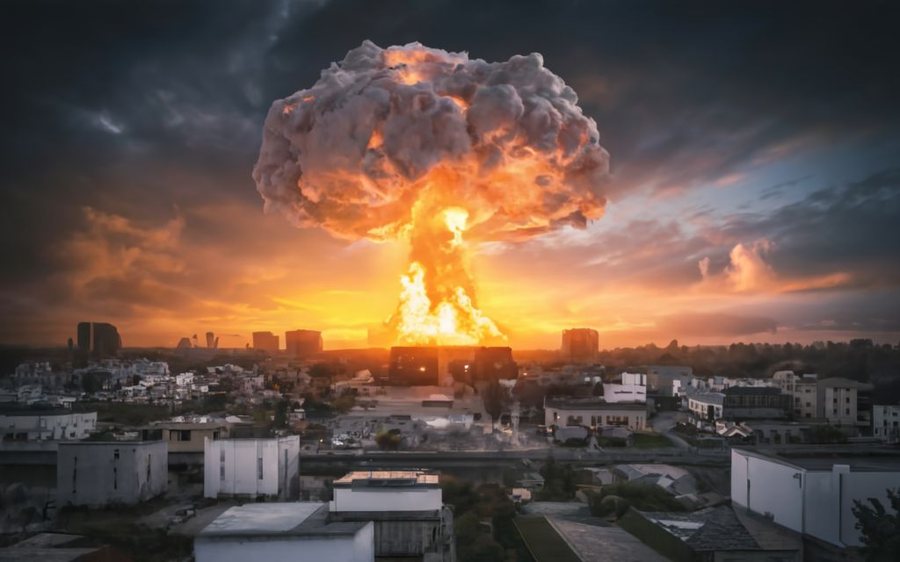
Nuclear war and the last 6 minutes before the end of the world!
" Nuclear war is madness. If a nuclear weapon were to be launched against the United States, even by a nuclear-armed rogue nation like North Korea, American policy dictates a nuclear counterattack. This response would almost certainly set off a series of events that would quickly spiral out of control. The world could end in the next two hours ," General Robert Kehler, former commander of the US Strategic Command, told me in an interview.
Annie Jacobson, American investigative journalist and former Pulitzer Prize finalist, describes the dangers of nuclear weapons in an article on the Mother Jones website. The article is an excerpt from her new book, just published in the United States and Germany “ Nuclear War: A Scenario ” (the German title, '72 minutes to annihilation', is more disturbing) and has sparked a debate broad on the dangers of nuclear deterrence. This means, that " military strategy that consists in the preparation of such measures so that the enemy, given the consequences of his attack, will avoid their implementation. In this sense, it is related to the arms race that began after the Second World War and constitutes its conceptual framework and ideological justification .
In the 1980s, when the peak of 70,481 nuclear weapons was recorded in the world, the dangers of atomic war were quite present and widely discussed by public opinion. With the end of the Cold War, the meltdown and the reduction of armaments (today there are about 12,500 nuclear weapons in the world divided among nine countries), the risk of a nuclear conflict has begun to seem more and more remote. Today this is no longer the case: Russia's war in Europe against Ukraine and the threat of conflict between Israel and Iran have made this danger extremely real. Although so far deterrence has worked against Russia.
The interesting and frightening thing about Jacobsen's book is that it shows that the decision of a single person would be enough to unleash a nuclear apocalypse, regardless of whether he is an unpredictable and paranoid dictator like Kim Jong-un, or dependent on tests of strength like Vladimir Putin, or a democratically elected president. It's a well-known fact: " During the Watergate crisis, Secretary of Defense James Schlesinger, worried that a drunken and pensive Richard Nixon might decide to launch a nuclear attack, reportedly told Pentagon leaders to consult with him or Secretary of State Henry Kissinger if there were directives from the White House ," recalls the New York Times in its book review. Jacobsen, for her part, is convinced that many military experts who have spoken with her think that the public he should know that something like this can happen.
" The United States maintains a nuclear launch policy called "Launch on Warning." This means that if a military satellite indicates that the nation is under nuclear attack and a second early warning radar confirms that information, the president launches nuclear missiles at The former defense secretary, William Perry, told me: "As soon as we are alerted to a nuclear attack, that is the policy. The president of the United States has the sole authority to do so." released nuclear weapons. He doesn't ask permission from anyone. Not the Secretary of Defense, not the Chairman of the Joint Chiefs of Staff, not even the United States Congress ," explains Jacobsen in an article in The New Scientist.
“Kur Presidenti mëson se duhet t'i përgjigjet një sulmi bërthamor, ai ka vetëm 6 minuta kohë për ta bërë këtë. Gjashtë minuta është një sasi e paarsyeshme kohe për të “vendosur nëse do të lëshohet Harmagedoni”, u ankua Presidenti Ronald Reagan në kujtimet e tij. "Gjashtë minuta për të vendosur se si t'i përgjigjeni një sinjali bllokues në një radar... Si mund të vendosni arsyen në një moment të tillë?" Megjithatë, Presidenti duhet të përgjigjet. Sepse i duhen një rakete balistike ndërkontinentale rreth 30 minuta për të arritur nga një platformë lëshimi në Rusi, Korenë e Veriut ose Kinë në çdo qytet të Shteteve të Bashkuara dhe anasjelltas. Nëndetëset e armatosura bërthamore mund të reduktojnë kohën e nisjes në 10 minuta ose më pak. Sot ekzistojnë nëntë fuqi bërthamore, me një total prej më shumë se 12,500 armë bërthamore gati për përdorim. Shtetet e Bashkuara dhe Rusia kanë afërsisht 1700 armë bërthamore secila: armë që mund të lëshohen brenda sekondave ose minutave pasi presidentët e tyre përkatës të japin komandën", thotë Jacobsen. Megjithatë, Shtetet e Bashkuara kanë vetëm 44 raketa për të kapur dhe shpërthyer kokat e armikut. Dhe presidenti i ardhshëm amerikan mund të jetë Donald Trump.
“Kam bërë një seri intervistash me fizikanin Richard Garwin, i cili tani është 95 vjeç. Ai është ndoshta personi më i ditur mbi armët bërthamore në planet dhe ndoshta di më së shumti për politikën gjatë historisë së gjatë, sepse ishte 23 ose 24 vjeç kur projektoi bombën e parë termonukleare. Në testin “Ivy Mike”, bomba shpërtheu me një forcë prej 10.4 megatonësh, rreth 1000 Hiroshima. Garwin më tha se frika e tij më e madhe ishte, dhe ka qenë gjithmonë, teoria e të çmendurit. Ai përdori shprehjen franceze “Après moi, le déluge” - pas meje le të bëhet nami - duke iu referuar idesë se një lider i çmendur, maniakal, egoist dhe narcisist mund të lëshonte një armë bërthamore për arsye që askush nuk do t'i dijë kurrë", thotë përsëri Jacobsen.
Në vitin 1983, Shtetet e Bashkuara zhvilluan një simulim të skenarëve të mundshëm të luftës në një lojë të quajtur “Profeti krenar”, në të cilën morën pjesë ekspertë të ndryshëm. Midis tyre ishte një profesor i Yale, Paul Bracken, i cili, thotë Jacobsen, u lejua të fliste për të në terma të përgjithshëm: "Ai shkroi në librin e tij se të gjithë u larguan shumë të dëshpëruar, sepse nuk ka rëndësi se si fillon skenari bërthamor - qoftë nëse NATO është e përfshirë apo jo, pavarësisht nëse Kina është e përfshirë apo jo – ajo përfundon gjithmonë në të njëjtën mënyrë, në mënyrën më të tmerrshme, sepse Amerika ka një politikë “nisje në parlajmërim". Le të mos presim të thithim një goditje bërthamore. Sapo të vijë një raketë dhe të ketë konfirmim dytësor nga radarët tokësorë, presidentit i kërkohet të nisë një kundërsulm”.
The point is that it is not possible to know whether the missile contains a nuclear warhead. But the president must decide immediately whether to respond. And if he decides to do so with nuclear warheads, atomic apocalypse becomes inevitable. Starting from this assumption, Nuclear War: A Scenario shows in detail and moment by moment what would happen if North Korea were to launch a missile against the United States.
" The book leaves open the question of what drove North Korea to commit this act of madness. Would dictator Kim Jong-un really be crazy enough to attack the United States? Are you imagining that you can survive the inevitable counterattack? According to US intelligence, North Korea has been building the world's largest underground bunker system for decades. The country's leadership supposedly has enough food, water and medicine to stay underground for years. Or is it just a misunderstanding, a terrible accident? Is this a missile test out of control? In this hypothetical scenario, it is unclear why the missile was launched. Pyongyang remains silent, just like in reality. Between January 2022 and May 2023, North Korea conducted about 100 missile tests. The country did not even announce one in advance. The shocking thing: for the rest of the scenario, it doesn't matter whether the launch was intentional or accidental ," notes Spiegel. / Adapted "Pamphlet" from "Corriere Della Sera"





Lini një Përgjigje