


 Shkruar nga Pamfleti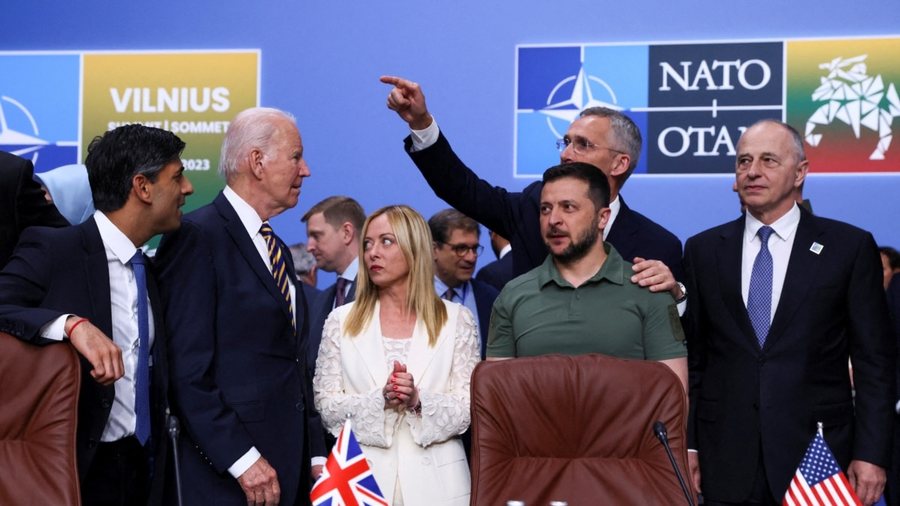
NATO leaders will gather this week in Washington for a high-level meeting to mark the 75th anniversary of the founding of the military alliance, which has never before been so large and ambitious. The meeting also comes amid existential threats from internal and external factors to the alliance.
As if the war in Ukraine were not enough, the dangers posed by an ever more aggressive China and the conflict between Israel and Hamas, the commitment of several key NATO members to protect allies is being called into question.
There is also deep uncertainty about the chances that President Joe Biden has to win in November over his predecessor Donald Trump, known for his skepticism towards NATO, and to lead the country for the next four years. powerful alliance.
While Mr. Biden's political problems are causing concern at home and abroad, European countries are facing their own problems, with the growth of the extreme right, especially in France and Hungary, threatening what are considered pillars after the Second World War. , safety and durability.
Here's what you need to know about the three-day high-level meeting:
The eyes of public opinion on President Biden
Shocked by his poor showing in the June 27 presidential debate and struggling to maintain full support to continue the presidential race, Mr. Biden says the public should watch his performance during the summit. of NATO, to prove that he is still strong and energetic to lead.
Diplomats and analysts say they will watch it carefully, even though NATO leaders have no control over the US election and are unlikely to take a public stance on it.
"The outcome of the November election is extremely important for NATO, and almost all of the alliance's heads of state and government know that, even if they refuse to speak publicly about the election," said Jeff Rathke, president of the American-American Institute. German at Johns Hopkins University.
The prospect of Donald Trump returning to the White House has alarmed many leaders in Europe, who fear he could scale back American commitments to NATO or Ukraine, or withdraw the United States from those commitments altogether. "Mr. Biden's NATO counterparts can do nothing to influence the outcome of the election, so they are in the uncomfortable position of observing a process that is vital to the alliance but over which they have no control." said Mr. Rathke.
Mr. Biden, who credits himself for strengthening NATO and standing up to Russian President Vladimir Putin, said his confidence and skills will come to the fore.
But he will be under tremendous pressure to quell growing concerns that he is not up to the task, either as NATO's de facto leader or as commander-in-chief of the member nation's armed forces. important of the alliance.
"The fact that you can't predict what Mr. Trump might do and how quickly he might act once he's in office if he wins the election creates a lot of tension in people," Mr. Rathke said. " It would be a significant shock to NATO if he were to win," he added.
Attention to Biden, but not only to him...
Although the main focus will be on Joe Biden, the other 31 heads of member states also have their own role in NATO's decision-making. The high-level meeting will mark the first appearance on the world stage of new British Prime Minister Keir Starmer, just days after his landslide victory in the parliamentary elections. Although Mr Starmer has signaled that he will continue to offer strong support for both NATO and Ukraine, the victories for far-right parties as well as left-wing groups that oppose Western support for Israel's war in Gaza, can weaken the influence of London.
Another concern is the troubled situation in France, where President Emmanuel Macron's government is facing political uncertainty after a leftist coalition came together to defeat the rising far-right in parliamentary elections but failed to secure a majority in the National Assembly.
The far-right party, which is skeptical of NATO, significantly increased the number of seats in parliament.
So are Hungary and Turkey, the last two NATO members who resisted accepting the alliance's two newest members, Finland and Sweden. Hungary's Viktor Orban sparked concern over his visit to Russia last week for talks with President Putin, and Turkish President Recep Tayyip Erdogan continues to enjoy good relations with the Kremlin.
In many ways, the alliance has never looked stronger than it does now. Since Russia launched its aggression against Ukraine, two more countries have joined NATO, bringing the number of member countries to 32.
Po ashtu, vendet baltike, Polonia dhe Republika Ceke, që ndodhen afër kufirit me Rusinë, kanë shtuar përkrahjen ndaj Ukrainës dhe Organizatës. Por NATO-ja është e brishtë. Vendimet e saj duhet të merren me konsensus të njëzëshëm dhe trazirat politike tek vendet anëtare krijojnë pengesa. Udhëheqësit e NATO-s pritet të konfirmojnë edhe një herë politikën e tyre të "dyerve të hapura", se çdo vend që përmbush kërkesat është i mirëpritur të anëtarësohet. Por Ukraina nuk do ta marrë këtë javë ftesën për të cilën shpreson shumë. “Në këndvështrime të ndryshme, ky takim ndodh në periudhën më të mirë, por edhe më të keqe njëkohësisht. Në periudhën më të mirë, sepse aleanca e ka të qartë rolin e saj dhe në periudhën më të keqe, për shkak të luftës në Ukrainë, sfidave me të cilat përballen vendet europiane për të rritur shpenzimet për mbrojten dhe shqetësimit mbi qëndrueshmërinë e angazhimit të Shteteve të Bashkuara”, tha Max Bergmann, drejtor i programit për Evropën, Rusinë dhe Euroazinë në Qendrën për Studime Strategjike dhe Ndërkombëtare.
Shpenzimet për mbrojtjen kanë përbërë një nga ankesat më të mëdha të zotit Trump rreth NATO-s dhe ai ka sugjeruar vazhdimisht se Shtetet e Bashkuara nuk do të mbrojnë vendet që nuk e plotësojnë objektivin, për të cilin është rënë dakord. Angazhimi është që këto vende duhet të shpenzojnë së paku dy për qind të prodhimit të brendshëm bruto për mbrojtjen.
Zyrtarë të NATO-s kanë mbështetur fort shtimin e ndjeshëm të vendeve që plotësojnë këtë detyrim, numri i të cilëve ka arritur në 23. Të tjera vende pritet të shprehen gjatë takimit në Uashington se po e përmbushin këtë standard.
Vazhdimi i përkrahjes për Ukrainën
Gjatë viteve të fundit shumë vende të NATO-s kanë nëshkruar marrëveshje dy palëshe sigurie me Ukrainën për të furnizuar Kievin në terma aftagjatë, me ndihmën që i nevojitet për t’u mbrojtur nga Rusia dhe për të parandaluar sulme të tjera në të ardhmen.
Rusia ka shënuar fitore në fushë-betejë ndërsa Kongresi bllokoi për disa muaj ndihmën ushtarake amerikane për Ukrainën, duke shkaktuar vonesa në furnizime.
Por synimi i Ukrainës është që të anëtarësohet në NATO, me qëllim që të jetë nën ‘ombrellën’ e sigurisë së NATO-s, sipas Nenit 5 (mbrojtjes kolektive), që detyron të gjithë vendet anëtare që ta mbrojnë atë në rast sulmi. Ndërsa konflikti vazhdon, anëtarësimi nuk ka të ngjarë të ndodhë. Megjithatë, aleatët pritet që t’i paraqesin Ukrainës një plan të ri, një “urë” drejt anëtarësimit, e cila do të përcaktojë hapat e ardhshëm.
Në të njëjtën kohë, vendet e NATO-s pritet të zotohen për më shumë mbështetje ushtarake dhe ekonomike. Deri tani Ukrainës i janë dërguar ndihma prej miliarda dollarësh dhe sipas zyrtarëve të tjera ndihma pritet të dërgohen.
Sekretari i Përgjithshëm i NATO-s, Jens Stoltenberg, tha të premten se kontributi prej rreth 43 miliardë dollarësh në vit duhet të jetë baza për të vazhduar përpara.
China as an issue at the NATO meeting
NATO allies are also focused on threats posed by China, including ongoing disinformation campaigns aimed at instilling suspicion in democratic systems. Likewise, NATO countries have repeatedly raised concerns that China's sale of some equipment and technology has enabled Moscow to rebuild its defense industrial base to continue the war against Ukraine.
For the third consecutive year, leaders or senior officials from Australia, New Zealand, Japan and South Korea will attend the NATO meeting to discuss how to respond to Chinese threats in the South China Sea and beyond. wide./ VOA



Lini një Përgjigje