


 Shkruar nga Diplomatico | Pamfleti.net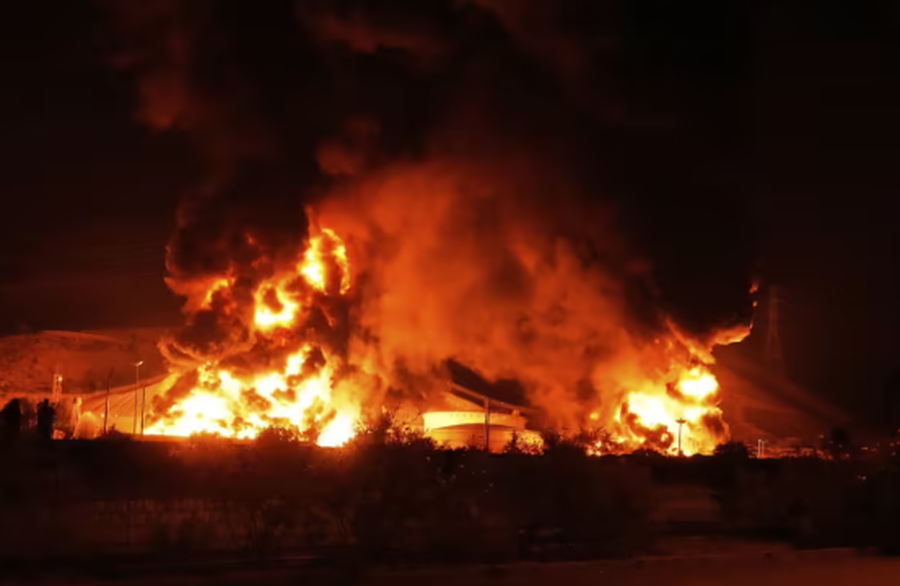
Seventh day of war: Bombings devastate Iran, region on brink of all-out conflict...
The war between the United States, Israel and Iran has entered its seventh day, plunging the Middle East into an escalating spiral that many analysts compare to the region's most dangerous moments since the Iraq war in 2003.
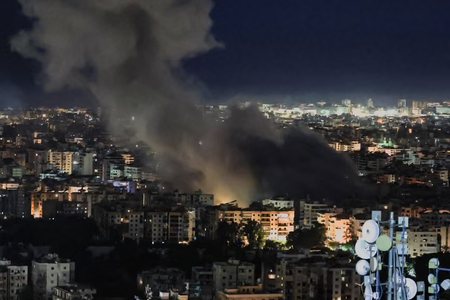
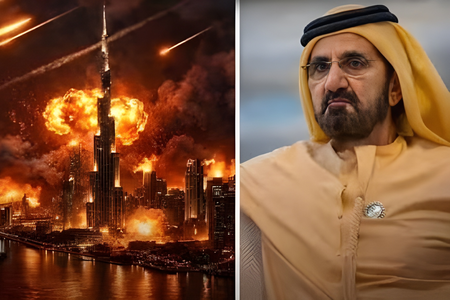
Coordinated US-Israeli airstrikes have hit military installations, missile bases and strategic facilities inside Iranian territory, including areas around Tehran, while powerful explosions have been reported throughout the night in several major cities in the country.
According to international media reports, the military operation aims to weaken Iran's missile capabilities and military infrastructure, which Washington and Tel Aviv consider a direct threat to regional security.
On the other hand, Tehran has responded with missile and drone attacks on Israeli territory and several American bases in the region, signaling that the conflict will not remain limited to Iranian borders.
The humanitarian toll is growing increasingly dire. Reports indicate hundreds of deaths and thousands of injuries, while attacks have also hit urban areas and civilian infrastructure. Several Iranian cities have seen mass evacuations and power outages, and fears of further escalation have grown sharply.
The conflict is gradually taking on a regional dimension.
In Lebanon, clashes between Israel and Hezbollah have intensified, while several Gulf countries have activated air defense systems in the face of the threat from Iranian missiles and drones.
At the same time, tensions in the Strait of Hormuz, the world's most important oil shipping corridor, have raised alarm in global energy markets.
The main cause of the latest escalation is related to a joint US-Israeli operation that hit the Iranian leadership, a development that has shaken the power structure in Tehran and significantly increased the risk of a full-scale open conflict. For international political analysts, this is a classic strategy of hitting the “system head on,” which aims to weaken the opponent’s decision-making and create political chaos within the country.
On the geopolitical front, the clash between the US, Israel and Iran goes far beyond a conventional military conflict. At stake are the balances of the entire Middle East, the rivalry between regional powers and control over the energy corridors that supply the global economy. If the war continues to escalate and involves other actors such as pro-Iranian militias or Gulf states, the region could face a much broader conflict, with consequences that will be felt not only in the Middle East, but also in Europe and in global energy markets.
At this moment, international diplomacy seems paralyzed, while the military front continues to expand. The question that is being asked more and more often in Western chancelleries is; whether this conflict will remain a limited operation to weaken Iran, or will it turn into the new great war of the Middle East. If the intensity of attacks and counterattacks continues at the same pace, the answer may come much sooner than expected./ Pamphlet


SHBA Izrael = Punëtorë të shkatërrimit krijues; mëkatarë,humbëse, Rusia Kina = Fitues neto dhe udhëheqës të ardhshëm, Evropa = humbëse në Atlantik dhe Kaukaz, humbëse, Turqia = Koka e "gjeldeti" (turqisë) në plehra! Dhe situatë paralize; Arabët të gjithë = Kthim te momadet dhe fiset si më parë; nafta përfundon me shkatërrim.