


 Shkruar nga Pamfleti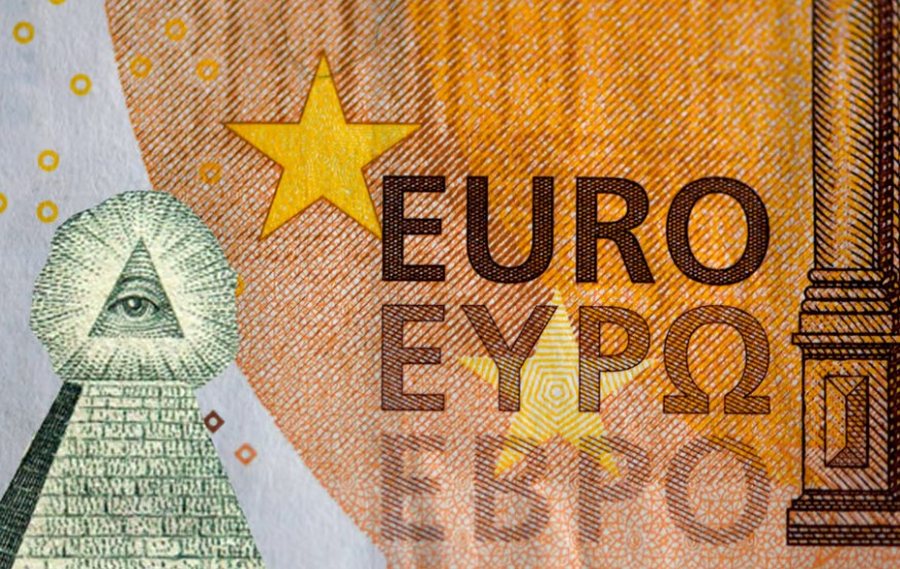
A conspiracy theory is spreading across Europe. Microchips being implanted under the skin with the aim of keeping people under surveillance is the warning of Marc Friedrich, financial expert and one of the best-selling authors.
It is not just a theory that has caught on, but has taken the form of a disturbing warning, and public rallies have even been held in Amsterdam to oppose such a project.
Where does it start? A digital version of the euro - "cash" stored and used for payments by smartphones - is expected to be introduced by the European Central Bank by 2026. The digital version of the European currency will replace purchases made by credit card or bank transfers or even those more money you have. In fact, only about a third of people in Europe have heard of this project and far fewer understand it.
Friedrich says this is a trap, and his YouTube videos have amassed more than 350,000 subscribers. For him, this is not a conspiracy theory, but the very fear of where the world is going:
"It's the perfect tool for surveillance and a digital dictatorship."
At this point it should be made clear that the ECB's plan does not involve putting chips under people's skin.
But it is a fact that most of the people who believed in the conspiracy theories that accompanied the pandemic, believe in this too. The question is why.
A study published in the scientific journal "Plos One" last October suggested that the conspiracy related to COVID opened the door to other theories of this nature. Associating with like-minded individuals increases the likelihood that a person will learn about other conspiracy theories as well.
This is illustrated by viewer comments on Friedrich's YouTube videos: "If you don't need eyes to see NOW, you'll need them to cry later."
"The digital euro is an ideal fit for people who fear that those who rule have malicious intentions," Javier Granados Samayoa, a postdoctoral fellow at the University of Pennsylvania's Annenberg Center for Public Policy and lead author of the study, told Politico.eu:
"Bankers are the perfect representation of people who have power over you and you don't really know what's going on," he said. "These kinds of stories fit the general concerns of conspiracy theorists."
Peter Ditto, a professor of psychological science at the University of California and a specialist in political conspiracy thinking, says the upheavals of recent years have contributed to a new era of old theories. Even the COVID pandemic, the financial crisis, the US presidency of Donald Trump, Brexit and the Russian invasion of Ukraine have overturned many old certainties.
"When people think they are living in 'politically chaotic' times, conspiracy theories flourish," he said - and especially when they are already suspicious of the ulterior motives of the media, governments and courts.
This makes it easier to believe that there are "global elites who are trying to create a digital currency so that there is no real money in the world." / Politico






Lini një Përgjigje