


 Shkruar nga Pamfleti
If you thought his first term was bad, get ready for a White House that abandons Ukraine, supports Putin, and encourages the far right...
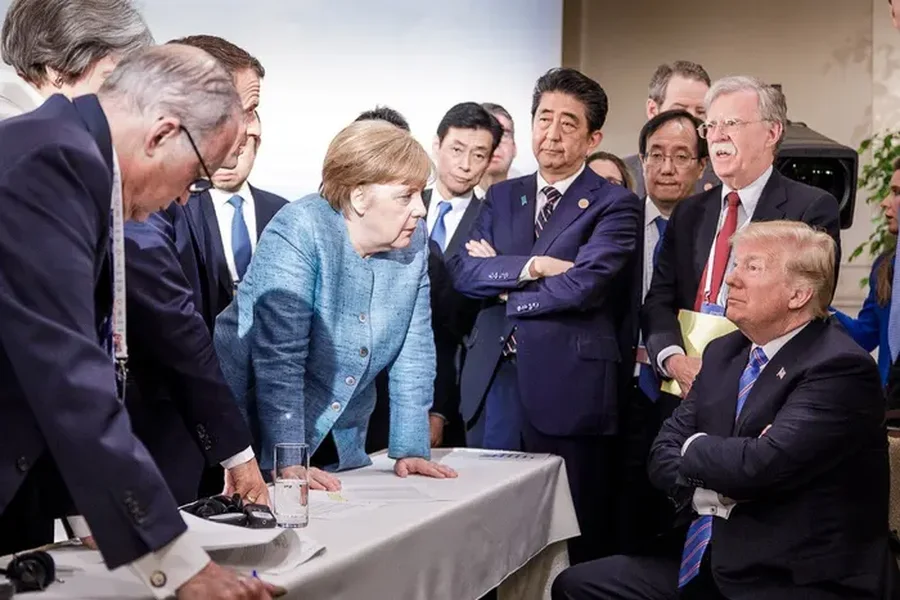
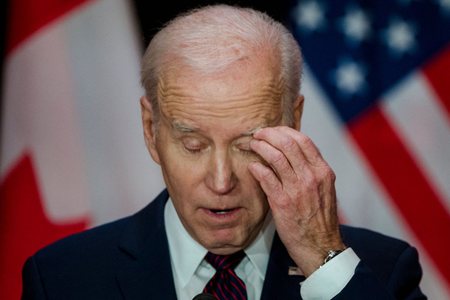
Donald Trump's nomination for the next presidential race brings anxiety among the US's European allies about his return to the White House. It is certain that in 2024 it will be repeated Joe Biden against Trump. Europe must prepare for the possibility of a second Trump presidency.
The latter was traumatic for Europe. But the tensions of transatlantic politics are hardly new: there have been times, for example the US-led war in Iraq in 2003, when the rift was deeper.
Europe's trauma had more to do with politics: Trump was the first US president not to treat Europe as family. He was significantly more comfortable with authoritarians like Xi Jinping and Vladimir Putin than with Europe's democratically elected leaders.
Trump's antipathy to Europe has not changed. The second time around, these bad political atmospheres would probably translate into a much wider political gap. While his first term was erratic and largely ineffective, with frequent resignations and swings, a second could be more coherent and decisive. Instead of the various parties of the Republican party together in a difficult coalition, Trump 2.0 would be 100% Maga (Make America Great Again).
He would not be limited by unpleasant "tweets".
Europe has been deeply shaken by two wars, one of them on the continent itself. Neither the Russian invasion of Ukraine nor the war in the Middle East has any end in sight. In fact, Trump's possible return may be among the reasons that push Putin and Benjamin Netanyahu to prolong their wars. After November, Europe's strategic predicament could be worse than what we have today.
What could Trump's return mean for Europe?
As for the economy and the Middle East, the differences would intensify. Transatlantic relations have not been easy since Biden's Inflation Reduction Act, or what many see as his free pass on Israel's war in Gaza. But with Trump, things would almost certainly get worse.
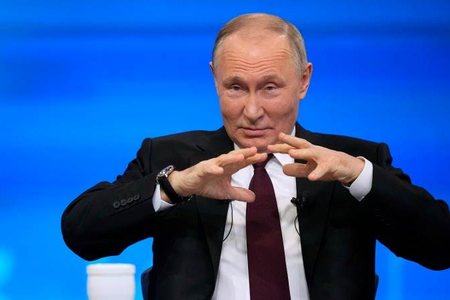
It is likely that he will turn radically on Ukraine. He has threatened to abandon Kiev overnight unless it accepts a "peace" reached by Washington (likely on Moscow's terms). With or without a deal, it's hard to see Trump continuing to aid Ukraine militarily. Abandoning Ukraine would probably further embolden Moscow, raising the level of the Kremlin's imperial ambitions in Ukraine and beyond. If Putin believes Trump won't lift a finger to stop him, he may go so far as to threaten NATO.
A second Trump presidency could also undermine American democracy, perhaps fatally. With four criminal indictments weighing on him, Trump would move against the judiciary, further undermining his independence. He would probably follow through on his threats to go after those he considers traitors, and may revert to a 21st century version of McCarthyism.
Picking up where he left off in 2020, Trump could go further in weakening the already fragile multilateral order, starting with the UN. A democratic winter in the US would not remain within American borders, but would reverberate around the world, starting with Europe.
This would be accompanied by the risk of the rise of an extreme right that could materialize in the European elections in June. Right-wing populist forces in Europe today are bad enough. However, Biden in the White House, and a disastrous Brexit, have acted as restraints, moderating many of their excesses. But there are many parties today that want their countries to leave the EU, including the Netherlands and Germany. But there are also far-right governments, such as that of Italy, that have so far followed the line both for cooperation within the EU and for support for Ukraine.
However, how would these governments act if they were supported by Trump in Washington? It is possible for their masks to be removed.
So what can we do to protect ourselves from Trump?
For Ukraine, the answer is quite straightforward. Much has already been done to narrow the gap between aid provided by Washington and European governments. Today, Europe gives about twice as much as the US, counting military and economic aid. This is still not enough. Europe has a year to fill the shortfall that would result if the US abandons Kiev. And that would still be barely enough. If the goal is to support Ukraine to win the war, arms and ammunition production will have to increase to replenish supplies. Europe will also need to make strategic investments in drones and satellites, do more joint training and improve its logistics planning.
Beyond Ukraine, the defense implications of Washington signaling a reduced commitment to NATO are huge. Europeans must face the reality that their continent is at war. The fighting today is in Ukraine, but it could spread beyond it in the coming years. If Europe is to face the threat that Putin represents alone, it will have to begin to establish a European pillar in NATO. An EU-UK defense agreement would also fit into this framework.
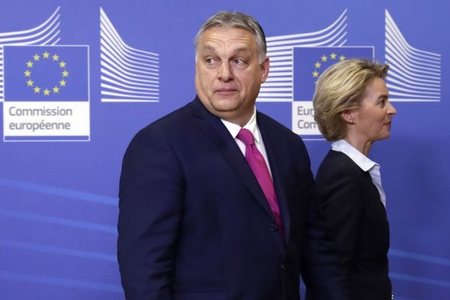
Supporting liberal democracy and multilateralism is equally important. The EU must strengthen its rule of law conditions, not weaken them as it has done to win over Victor Orban's Hungary. It must now redouble both bilateral and multilateral relations with liberal democracies such as Japan, South Korea, Australia and Canada and countries from the global south to Africa, Asia and Latin America. This will be a difficult fight, given the dramatic weakening of Europe's credibility in the eyes of much of the world for its cooperation with the war in Gaza.
Europe can act as above while awaiting a possible Trump comeback. But it should act regardless. But it is even worse than doing nothing because it means that the greatest fear will come true. If Europe stands idly by it will give Trump an even bigger victory. /Adapted Pamphlet from The Guardian



Lini një Përgjigje