


 Shkruar nga Pamfleti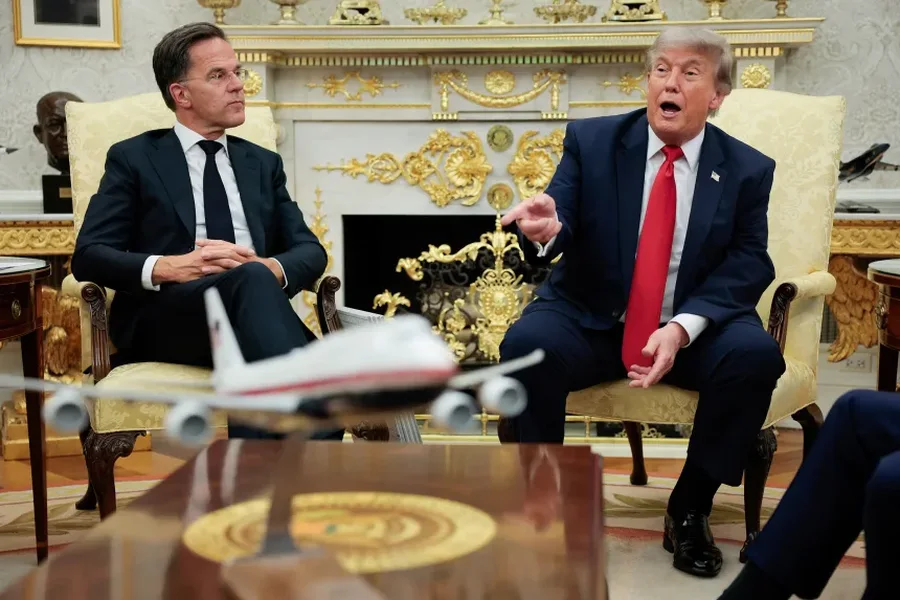
The US president was angered by the lack of support from some allies during the operation against Iran. The administration is reviewing the military presence in Europe, while the NATO summit takes place in a climate of uncertainty…
United States President Donald Trump has considered reducing the number of American troops deployed in Europe by about 1/3 as a way to send a message to NATO allies.
According to CNN, citing two people familiar with the conversation, Trump floated the idea during a White House meeting this spring, as he expressed dissatisfaction that some NATO member countries did not join the US military operation against Iran.
"What if we reduced American forces in Europe by a third? Would they finally get the message?" the US president is reported to have asked. During the same period, the Pentagon unexpectedly canceled two planned deployments of US troops to Europe and ordered the withdrawal of other personnel from the continent.
According to CNN sources, Defense Secretary Pete Hegseth had planned to announce an even deeper package of cuts at the NATO summit in June, which could reach the level of the one-third reduction mentioned by Trump. However, after consultations with other senior administration officials, the plan changed.
Instead of immediately reducing forces, Hegseth announced the launch of a six-month review of the US military presence in Europe. "It's a review where some countries will fail, while others will pass with flying colors," he declared.
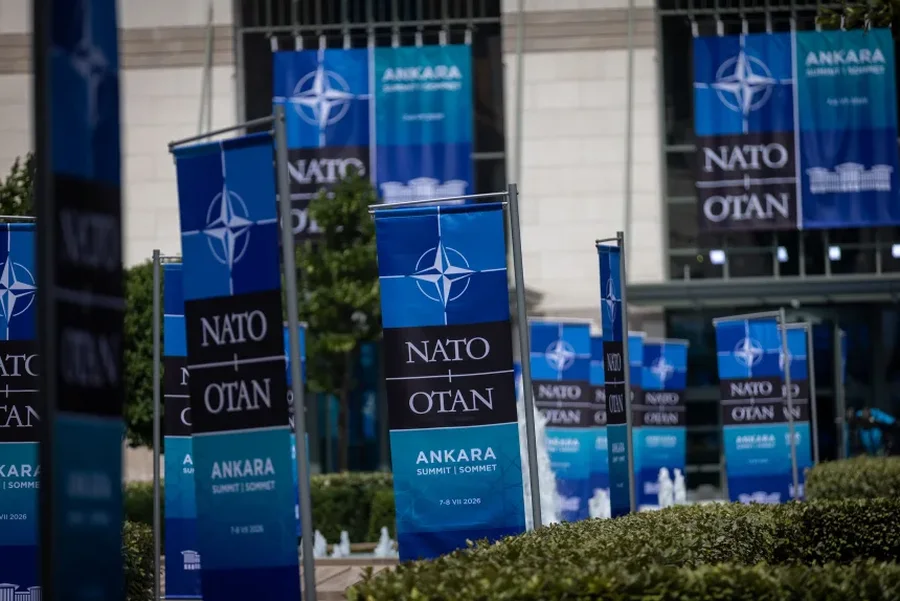
The summit takes place in a tense atmosphere
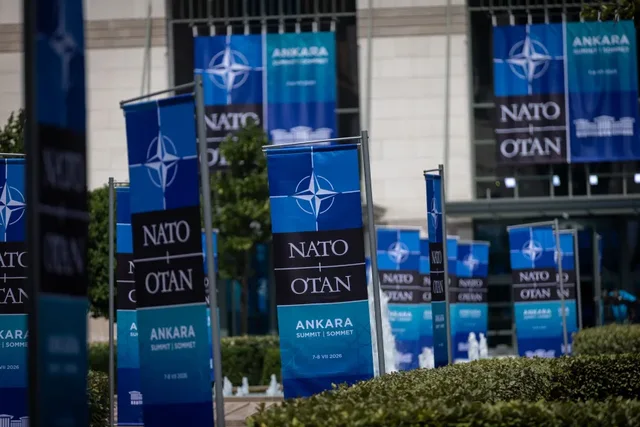
As Trump travels to Turkey for the NATO summit, relations between Washington and its European allies remain tense.
The US president has long been critical of the alliance and has expressed increasing skepticism about its role over the past year. He argues that the United States bears the main financial and military burden of defending Europe, while allies do not show the same level of commitment.
Trump has never ruled out the possibility of the US withdrawing from NATO and continues to question the strategic value of the alliance for American interests.
He has also threatened that the United States should take control of Greenland, an autonomous territory of Denmark, a NATO member. At the same time, his softer stance on Russian President Vladimir Putin has raised concerns in some European capitals, where there are fears that Moscow could test the alliance's resolve.
Europe tries to avoid a collision
According to CNN, Trump had expressed reluctance to attend the summit in Ankara and stated that his decision was mainly related to his personal relationship with Turkish President Recep Tayyip Erdoğan.
Sources familiar with the matter said that it was made clear to the American president that his absence from the summit would be interpreted as a lack of respect for the Turkish president.
US Ambassador to NATO, Matthew Whitaker, stated that the summit is the moment when allies must show that they are willing to take on more responsibility.
"This is the time for our allies to do more, and that's exactly what President Trump expects," he said.
Meanwhile, European leaders are preparing to announce new commitments to increase military spending, in the hope that this will assuage the US president's displeasure.
NATO Secretary General Mark Rutte, during his visit to the White House, presented data showing the increase in European defense investment, arguing that this was the result of pressure exerted by Trump.
However, according to European officials quoted by CNN, no one is sure that this will be enough to avoid tensions during the summit.
Uncertainty about the future of the American presence
The US administration has launched a general review of its military presence in Europe and does not rule out further changes.
In recent months, Washington has suspended the rotation of some units in Poland and approved the withdrawal of about 5,000 troops from Germany.
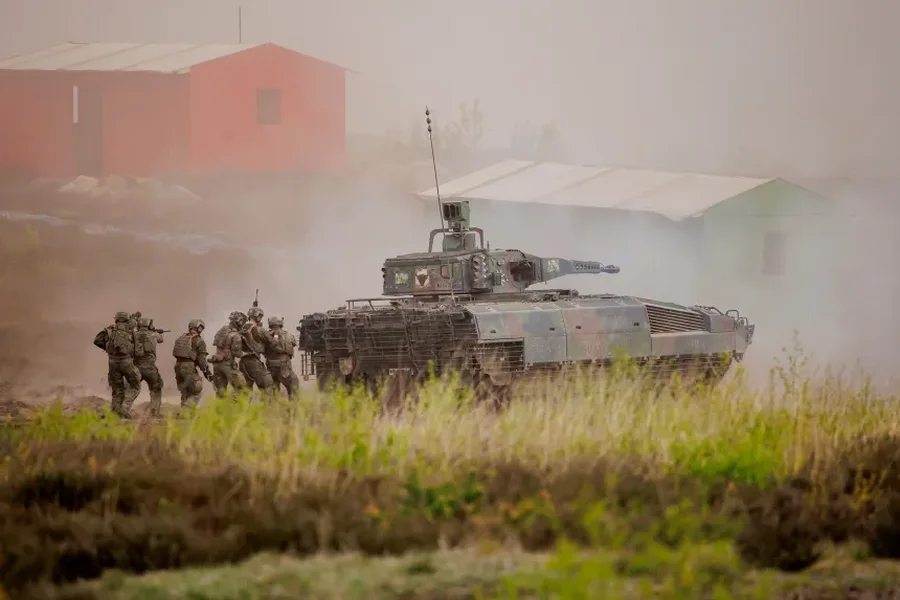
According to a senior American official, it should come as no surprise that the force positioning review could bring significant changes to American military deployment.
In Europe, these developments have increased uncertainty about the future of the continent's security.
Stephen Wertheim, senior fellow at the Carnegie Endowment for International Peace, believes that allies need clarity from Washington on the forces that will remain in Europe, those that will be withdrawn, and the timeline for these changes.
The main concern of European countries remains the possibility that a reduction in the American presence will encourage Russia to increase military pressure in the region.
Ukrainian President Volodymyr Zelensky will attend the leaders' dinner during the summit, but not the official working sessions, indicating that Ukraine's aspiration for NATO membership remains unrealized.
He is expected to hold a bilateral meeting with Donald Trump, while European countries aim to announce a new military aid package worth tens of billions of euros for Ukraine, aiming to show Washington that they remain committed to supporting Kiev.
It remains to be seen whether these commitments will be enough to avoid political clashes during the NATO summit. /Adapted from CNN Pamphlet /




Lini një Përgjigje