


 Shkruar nga Robert Ellis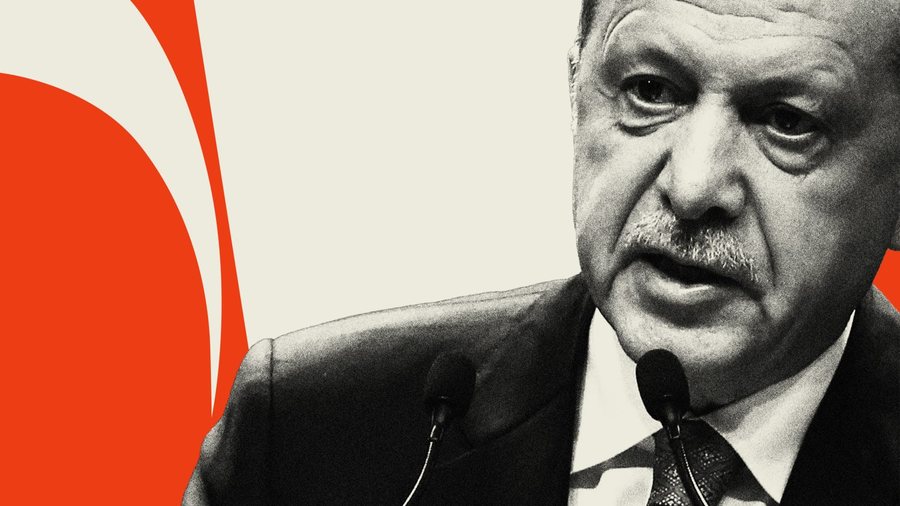
After the failed coup attempt in July 2016, which was blamed on the Gülen Movement led by Turkish imam Fethullah Gülen, more than 600,000 people have been investigated, half of whom have been arrested and 96,000 have been jailed...
In 1997, Fareed Zakaria first wrote with concern about the rise of illiberal democracy. According to him, democracy was flourishing, but not its pillar, constitutional liberalism. Two years ago, Sergei Guriev and Daniel Treisman wrote about its current form, which they called the "dictatorship of propaganda".
In essence, this form was a kind of progress in contrast to the dictatorship based on fear and terror as practiced by Stalin, Hitler and Franco. In a "propaganda dictatorship", authoritarian leaders use communication technology to gain and secure power, taking care to maintain at least a facade of democratic legitimacy.
"Such a dictator regularly holds elections and referendums, and achieving sweeping victories, claims to have received the mandate to change political and legal institutions. Thus he carries out constitutional changes, fills the courts and regulatory bodies with his loyalists, and completely controls the election commissions to create a facade of institutional support", they said.
Today, the same may apply to Turkey. President Recep Tayyip Erdogan, mayor of Istanbul in the 1990s, was a disciple of Islamist Necmettin Erbakan and his National View Party, which was ousted in a 1997 military coup.
Erdogan learned the lesson from that event very well and in 2001, he formed the Justice and Development Party (AKP), which changed its approach and emerged as pro-Western, reformist, moderate and neo-liberal. A year later, AKP came to power with a little more than 1/3 of the votes.
But Erdogan made it clear five years ago: "Democracy is not the goal but our means." His strategy worked. Five years later, US Secretary of State Condoleeza Rice publicly declared that the AKP was "a government committed to pulling Turkey towards the West and Europe".
A year later, Swedish Foreign Minister Carl Bildt said that "the AKP government consists of deep European reformers". During his visit to Turkey in 2009, US President Barack Obama also spoke of a "model partnership" between a predominantly Christian nation and a predominantly Muslim nation.
In 2005, the EU started accession talks with Turkey, but a year later, they failed due to the Cyprus issue. However, as far as Turkey is concerned, that maneuver succeeded, as the AKP government could use EU conditionality to dilute the role and power of the military.
But at the end of 2012, 16 EU foreign ministers declared in a joint article that Turkey was "an inspiring example of a secular and democratic country". But at the same time, the Turkish political scientist Nuray Mert came up with an opposite view.
She challenged the promotion of Turkey as a model country, writing: "The political values that the current government harbors are very similar to the absolutism of Putin's Russia, as well as the Chinese model of economic growth at the expense of democratic rights and freedoms." .
Her views greatly angered Erdogan, who publicly mocked her surname "mert", which means "brave" in Turkish. Instead, he called her "namet", which means "coward". She was immediately fired from her job as a columnist for a Turkish daily, her TV show was shut down and she began to fear for her personal safety.
But what was to come later was even worse. After the failed coup attempt in July 2016, which was blamed on the Gülen Movement led by Turkish imam Fethullah Gülen, more than 600,000 people have been investigated, half of whom have been arrested and 96,000 have been jailed. The need for new prisons has given Turkey's construction sector a boost.
According to official data, 131 new prisons were built between July 2016 and March 2021, and another 100 prisons are under consideration. Also, Turkey is the country with the most imprisoned journalists in the world. A report by the Council of Europe for 2022 states that the country accounts for 1/3 of all prisoners of all member states.
Over 130,000 public administration employees have been dismissed, including 4,156 judges and prosecutors and 24,706 members of the armed forces. As a result, the Turkish Air Force has a serious shortage of pilots, forcing retired pilots to return to work.
After celebrating on October 29, 2023, the first 100th anniversary of the Turkish Republic, President Erdogan has declared the second century as "the century of Turkey". However, his efforts are being sabotaged by the mass exodus of skilled personnel from Turkey. A record number of doctors left the country last year.
As a result, retired doctors between the ages of 65-72 are returning to service to fill the gaps. Shortly after the 2016 coup attempt, veteran Turkish analyst Semih Idiz wrote that Erdogan maintains his power by appealing to the lowest common denominator.
Siç u shpreh dikur ekonomisti turk Emre Deliveli në blogun e tij: “Në Turqi ka miliona njerëz që do ta besonin se bota është e sheshtë nëse këtë do ta thoshte Erdogan”. Për këtë arsye ish-guvernatori i bankës qendrore, Durmuş Yilmaz, e kritikoi në librin e tij “Si e humbi vetveten Turqia”, menaxhimin e ekonomisë nga presidenti.
Rivendosja e Mehmet Ali Simsek në postin e Ministrit të Financave dhe emërimi i Hafize Gaye Erkan, gruas së parë si guvernatore e Bankës Qendrore, është një përpjekje e dëshpëruar për ta kthyer këtë proces. Për Erdogan do të jetë me siguri zhgënjyes një raport gjithëpërfshirës mbi qëndrimet fetare në Turqi të botuar nga Fondacioni i Kërkimeve Ekonomike të Turqisë (TEPAV).
Ai konfirmoi ndër të tjera se sa më i lartë të jetë niveli arsimor i të anketuarve, aq më pak e rëndësishme është feja. Po ashtu, grupmosha më e re, mosha 18-24 vjeç, ka më pak gjasa ta shohë fenë si shumë të rëndësishme. Një goditje tjetër përbën përqindja e vogël e turqve (6.47 për qind) që mbështeten tek Drejtoria e Çështjeve Fetare (Diyanet) për lajmet e tyre, e cila me 90.000 xhamitë dhe me një personel prej 141.149 njerëzish, zotëron një pjesë jo-proporcionale të buxhetit në Turqi.
Erdogan e konsideroi “si thelbësore në forcimin e institucioneve demokratike të Turqisë” kalimin tek një sistem presidencial në vitin 2017, që zëvendësoi parlamentin me një presidencë ekzekutive. Gjithashtu, duhet theksuar se vitin që shkoi, numri i projektligjeve të miratuara me dekrete presidenciale ishte 6 herë më i madh se ato të miratuara me mocione parlamentare.
Presidenti Erdogan është i angazhuar edhe për rishikimin e kushtetutës së vitit 1982, të miratuar pas grushtit të shtetit të 1980-ës, që përcakton se askush nuk duhet të lejohet të shfrytëzojë fenë për qëllime të ndikimit personal ose politik. Ai synon ta zëvendësojë atë me një kushtetutë që të jetë “civile, liberale dhe gjithëpërfshirëse”.
Duke pasur parasysh goditjen ndaj disidencës, e cila ka marrë një sërë formash, përfshirë ligjet e ashpra për fyerjen e presidentit dhe ligjin mbi dezinformimit, është e vështirë të parashikohet se çfarë nënkupton Erdogan me termin “liberal”. Një incident i kohëve fundit ilustron më së miri atmosferën e shtypjes në Turqi.
Një mësuese në Antalia u arrestua dhe u pushua nga puna, për shkak të një fjalimi kritik që ajo mbajti në Ditën e Republikës: “Ata (AKP) po përpiqen të përfitojnë nga të gjitha bekimet e Republikës dhe ta shkatërrojnë atë. Në njërën anë, qëndrojnë ata që sakrifikuan jetën e tyre për të shkruar Republikën në kushtetutë 100 vjet më parë, dhe nga ana tjetër, ata që përpiqen ta shkatërrojnë atë sot, dhe përpiqen t'i bëjnë të gjithë të besojnë në përrallën e Shekullit Turk”.
Guriev and Treisman write that today's dictators participate in Western institutions to benefit from them. This is what Turkey does with the EU and NATO. They also point out that Western multilateral organizations purport to uphold common ideals, but they lack the tools to deter or punish the growing misconduct.
The European Court of Human Rights recently called for the restoration of the rule of law in Turkey. But it is doubtful whether Turkey will listen to this appeal. Now, it is up to NATO, the EU and the Council of Europe to draw the necessary conclusions. / Adapted "Pamphlet" from "National Interest"
Note: Robert Ellis, Turkish affairs analyst and advisor at the Athens-based Research Institute for European and American Studies.


Lini një Përgjigje