


 Shkruar nga Pamfleti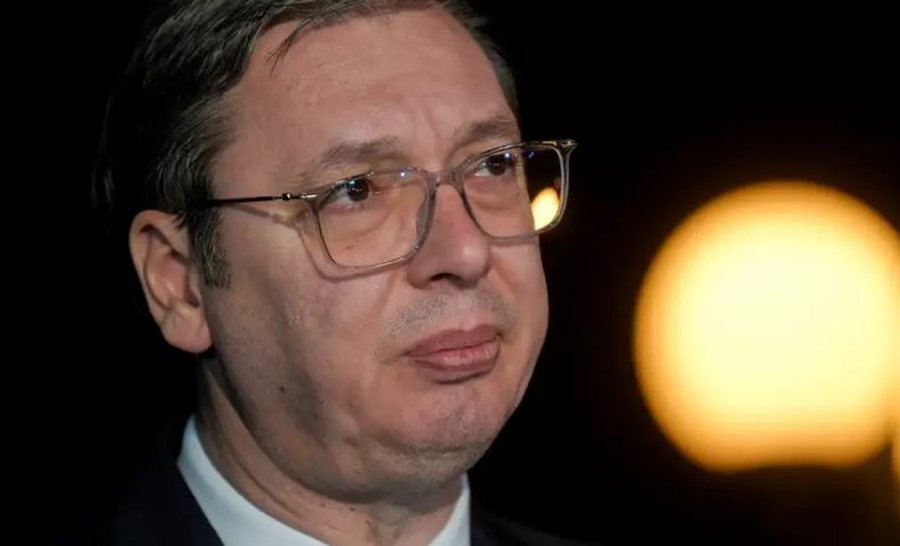
Having been in power for almost 10 years, the Serbian president has shown his admiration for former dictator Slobodan Milosevic, who died before the end of his trial for crimes against humanity and genocide.
From the battlefields of Ukraine, another front of Russia's war is unfolding in the Balkans, where Moscow has tried to exploit nationalist tensions against the aspirations of countries in the region to join the European Union (EU).
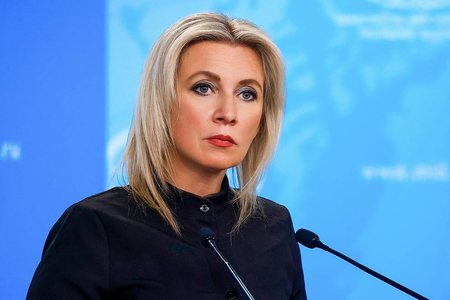
Russia's diplomatic spokeswoman, Maria Zakharova, compared the protests in Serbia to those in Kiev's Maidan Square in 2014 – which led to pro-Western leaders coming to power in Ukraine.
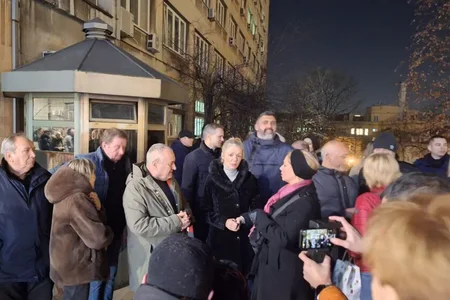
Since the announcement of the results of these early parliamentary elections, every day hundreds of demonstrators have protested against the observed electoral irregularities. While official results show a 46.72% victory for President Aleksandar Vucic's nationalist Serbian Progressive Party, only 23.58% went for the pro-European coalition 'Serbia Against Violence', seven of whose leaders are on hunger strike.
Observers from the Organization for Security and Co-operation in Europe (OSCE), the European Parliament and the Council of Europe have denounced serious irregularities, including "vote buying" and "stuffing of ballot boxes". The Serbian president, however, insisted that the elections "were the fairest [...] in the recent history of Serbia" and accused "powerful foreign states" of aiming to "destabilize the country".
Operation in Kosovo
This poisonous context reflects Vučić's tension strategy, confirming growing doubts about Serbia's European orientation. Having been in power for nearly 10 years, the president has shown his admiration for former dictator Slobodan Milosevic, who died before the end of his trial for crimes against humanity and genocide.
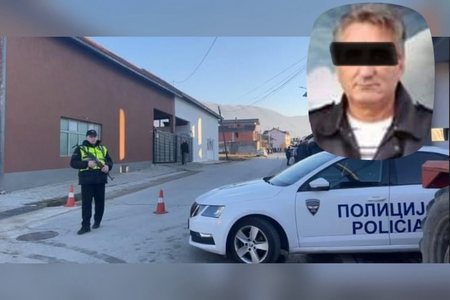
Vučić has not abandoned his ambition to regain control of Kosovo - whose independence he has never accepted since its declaration in 2008 - as the Serbian commando operation in September in Banjska seemed to show. Finally, although he is president of a country that is a candidate for EU membership (from which he has received funding), he has refused to align with European sanctions against Russia and has stopped the implementation of reforms demanded by the Union.
Europeans had long believed that Serbia's trade ties with the EU, as well as the country's economic development, would ultimately prevail over Vucic's nationalist rhetoric. They now have every reason to watch his double play carefully. France, in particular, is very much associated with the ambition to anchor the Balkans in the EU. This dilemma is nothing but straightforward, because the further away Serbia's entry into the EU is, the more Russia and China have taken advantage of the situation to advance their interests.
However, the example set by Viktor Orban's Hungary, which aims to act as Russia's Trojan horse within the EU, should prompt member states to demand drastic and irreversible adherence to the rule of law, to prevent Belgrade will one day repeat the same tactic. Europeans know from their history that the dangers of a crisis in the Balkans can have catastrophic consequences far beyond the region itself. In the background of the tension aggravated by the Russian aggression in Ukraine, they must be vigilant against the excesses of the Serbian president./ Adapted "Pamphlet" from "Le Monde"


Lini një Përgjigje