


 Shkruar nga Pamfleti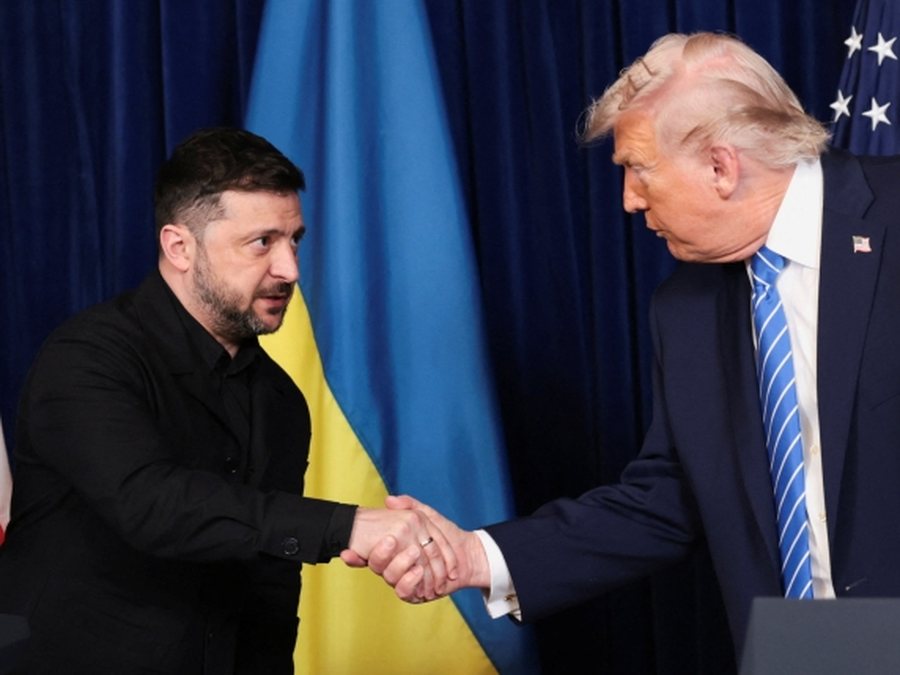
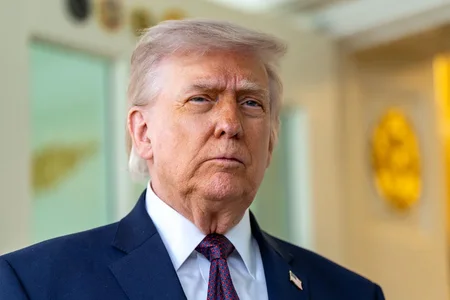
Exploiting Donald Trump’s sense of vanity to win over American support has been a strategy used by several countries. From the Syrians to the Poles, many actors have tried to lure the former US president into securing aid and concessions. Recently, Ukrainians, as the New York Times reports, have also tried such an approach, as they look for ways to push the US administration to more firmly support Kiev and oppose Russia’s territorial claims.
During negotiations in recent months, a Ukrainian official has proposed that a part of Donbass disputed by Russia be called “Donnyland.” The name mixes references to Donbass, Disneyland, and, above all, the name “Donald,” in honor of the president.
The proposal seems paradoxical, considering that it refers to a kind of "amusement park" in a devastated area (about 80 by 60 kilometers), where fierce fighting continues, among the deadliest in Europe since World War II.
Donbas remains one of the main sticking points in the negotiations. So far, this effort has not yielded results, unlike other international cases. Last summer, for example, influential Syrian businessmen, notably the Al-Khayyat family, presented the “Trump International Golf Club, Syria” project to a Republican congressman, with the aim of facilitating the lifting of US sanctions on Damascus, a goal that was subsequently achieved.
Another case is Armenia. In August, after nearly 40 years of bloody conflict in Nagorno-Karabakh, Azerbaijan and Armenia signed a peace agreement at the White House. At the same time, they agreed to create a transit corridor called the “Trump Road to International Peace and Prosperity” (TRIPP), which runs through Armenian territory and connects the Azerbaijani enclave of Nakhchivan with the rest of Azerbaijan.
Polish efforts have had mixed results. In 2018, President Andrzej Duda offered to finance a large American base near Warsaw, dubbed “Fort Trump,” to ensure a permanent presence of American forces on NATO’s eastern flank to deter Russia. The idea was revived last year, but the project has yet to materialize. However, Duda has received assurances from the U.S. administration that no reductions in U.S. troops in Poland are planned.


Lini një Përgjigje