


 Shkruar nga Pamfleti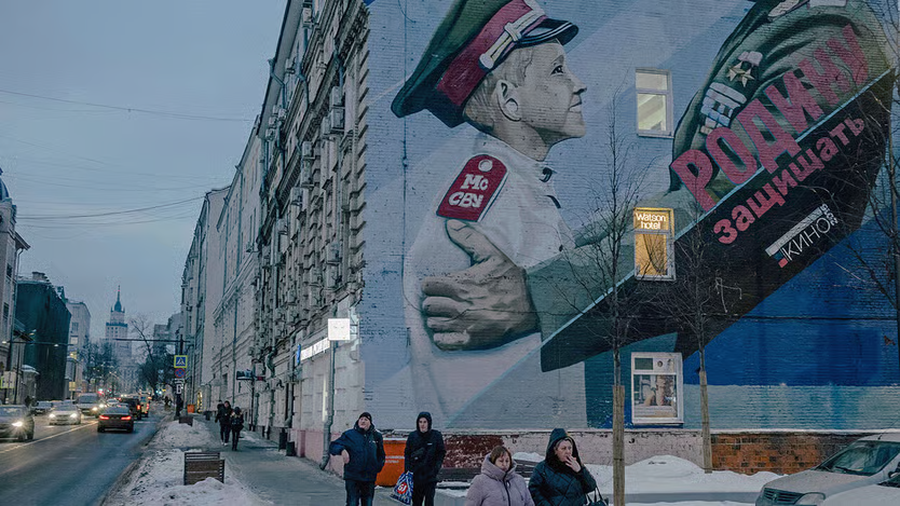
Putin talks about victory, but Russia is crumbling from within
Listening to Vladimir Putin, one gets the impression that Russia is marching towards victory in Ukraine and overcoming economic challenges with ease, thanks to the “support of the patriotic people.” On November 30, Russian state television broadcast Putin dressed in military uniform, visiting a command center and receiving reports from the front: “Russian troops are advancing almost everywhere,” he declared to generals. Just two days later, at an investment conference, he asserted that “Russia and our economy are successfully coping with all challenges,” and even said that the country was ready for a new war with Europe.
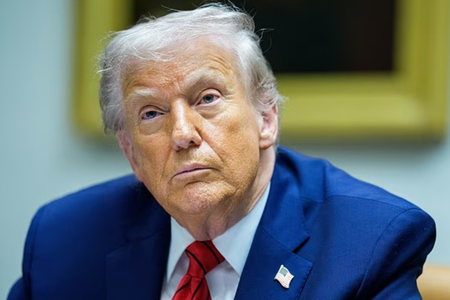
But the reality in Russia is much darker. Its army is advancing with heavy losses and at a slow pace. Economic problems are deepening and affecting broad sections of the population. Even popular support for the war has waned, a key factor in a regime like Putin's, which bases its power on the illusion of mass support. Russian propaganda and incessant drone and missile attacks are more aimed at convincing the West that support for Ukraine is futile, and this strategy seems to be paying off, especially in the face of Donald Trump's recent statements.
However, the domestic reality is different: after four years of trying, Russia has still not managed to take Donbas. For Russians, the gap between propaganda and truth is widening every day.
Field advancement and economics
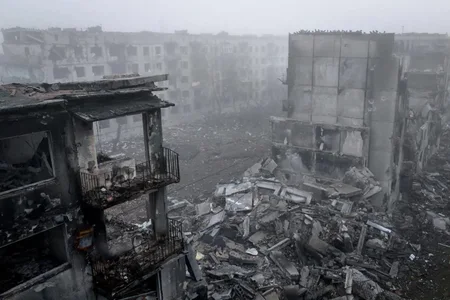
On the front lines, Russia sends small units that infiltrate Ukrainian positions and film videos for propaganda purposes before being destroyed. According to open intelligence sources and Russian military bloggers, the actual advances are small and of no strategic significance. Ukraine, although with losses and a shortage of troops, continues to defend the important city of Pokrovsk, which Russia claimed to have taken weeks ago.
The Russian economy is not collapsing, but it is showing signs of fatigue. Even the Kremlin's optimists admit that 2026 is expected to be the most difficult year since the invasion of Ukraine began. Oil and gas revenues have fallen by 22% in a year. Artificial economic growth thanks to military spending is fading. The budget deficit is reaching 3% of GDP, a moderate level for Europe, but dangerous for a country that no longer has access to international capital markets.
To finance the war, the Russian government is being forced to borrow domestically and raise taxes – which risks fueling inflation and further burdening the civilian sector.
Half of the Kremlin's budget is going to the army, the defense industry, the security services, and debt repayment. War generates economic activity, but it produces nothing sustainable: tanks are destroyed, soldiers are killed. The military industry is working extra shifts, while car manufacturers have cut back. An economy that works for war is not an economy that builds a future.
Putin is taking money from his own people to keep the war going
The government has begun taking money from the people themselves to keep the war machine running – violating the silent pact Putin had with Russian society: economic stability in exchange for political silence.
At a conference in Vienna, experts from inside and outside Russia assessed that in the past the regime could finance the war without affecting the well-being of its citizens. Today, this is no longer possible. Oleg Vyuggin, former deputy head of the Central Bank of Russia, said: “By 2026, the real consequences will become apparent.”
Russian sociologists are noting a significant decline in real support for the war. In the latest polls, three times as many citizens say their economic situation has worsened as those who say it has improved, the highest level since the start of the aggression.
The Kremlin is aware of these shifts in public opinion, but there is no easy solution. The end of the war would not heal the economy, on the contrary: industry has become dependent on military production, the return of traumatized soldiers could create new problems.
For this reason, instead of retreating, Putin is redoubling his efforts: more war, more propaganda, more repression. / Adapted from “Pamphlet” by “The Economist”


Përseri shkrim nga anglezët? Ore sa humor të bukur kanë..