


 Shkruar nga Pamfleti
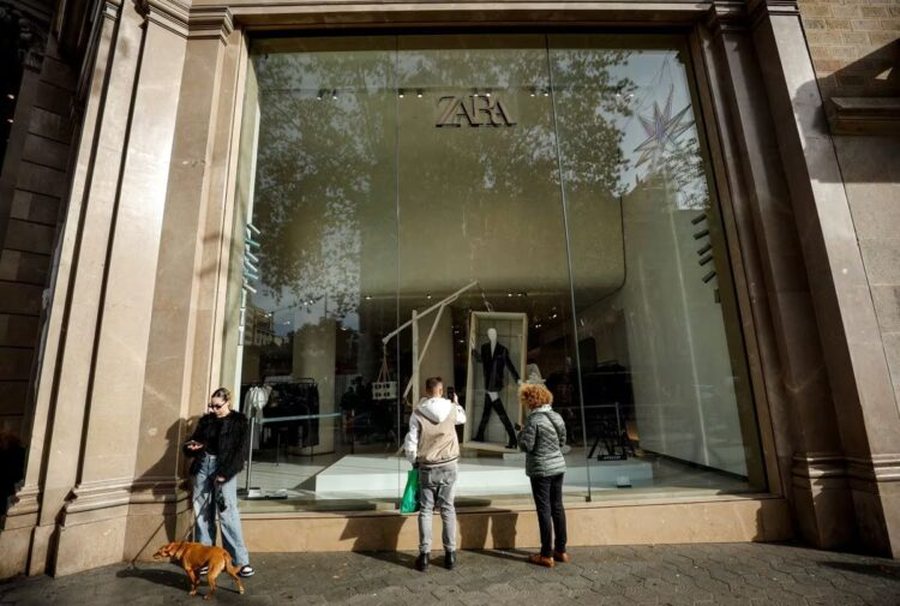
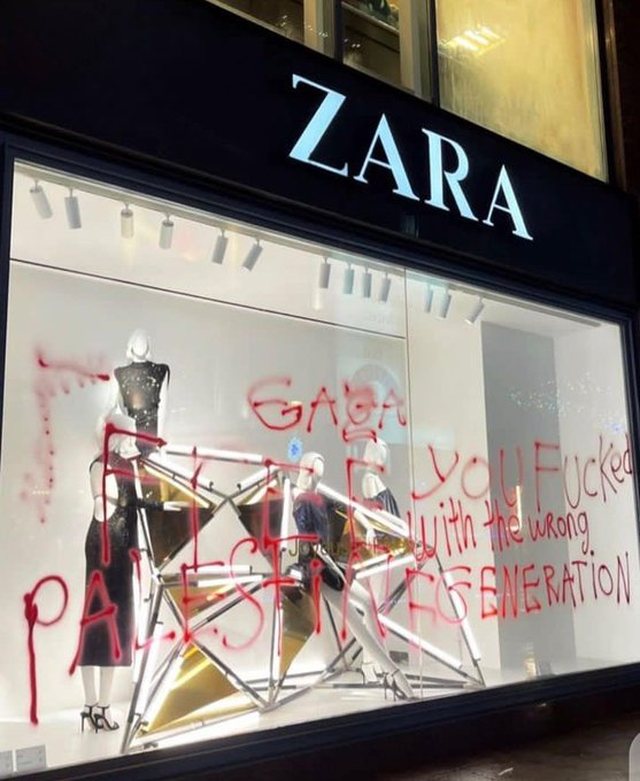
Zara today pulled the ad campaign featuring a mannequin with missing limbs and shrouded statues from its website and app after prompting calls from some pro-Palestinian activists for a boycott.
Inditex, which owns Zara, said the change was part of its normal content refresh procedure. He did not comment on the calls for a boycott, but said that the "Atelier" collection was conceived in July and the photos were taken in September. The war between Israel and Hamas began after October 7.
Zara's Instagram account has tens of thousands of comments about the photos, featuring Palestinian flags, while "#BoycottZara" was trending on the X messaging platform.
In one of the photos, a model is photographed holding a mannequin wrapped in a shroud, in another a torso lies on the floor and another features a mannequin without arms. Critics said they resembled photos of white-shrouded corpses in Gaza.
Zara said at the launch of the collection on December 7 that it was inspired by past centuries. The photos appear to show an artist's studio with ladders, packing materials, wooden crates and cranes, and assistants wearing overalls.
The reaction highlights the heightened sensitivity of international brands sailing as the fighting in Gaza intensifies and calls for boycotts of the companies grow. Web Summit's CEO resigned in October after comments he made about the Israel-Hamas conflict.
The pictures, which appeared on Zara's online store homepage on Monday morning, were no longer visible on its website or app by 12:30 p.m. A link on Zara Atelier's UK website led to a page showing last year's collection.
The collection, featuring six jackets, is one of Zara's most expensive, priced from $229 for a gray wool jacket with knit sleeves to $799 for a studded leather jacket.
It's not the first time an advertising campaign has landed a fashion label in controversy.
French conglomerate Kering last year created a group-level position to oversee brand safety after advertising images from its Balenciaga label featuring children sparked a backlash that reduced sales.
Dolce & Gabbana was pulled from e-commerce sites in China in 2018 after a campaign showing models struggling to eat typical Italian food on chopsticks - branded racist by local celebrities and social media.







Lini një Përgjigje