


 Shkruar nga Antonie Blumberg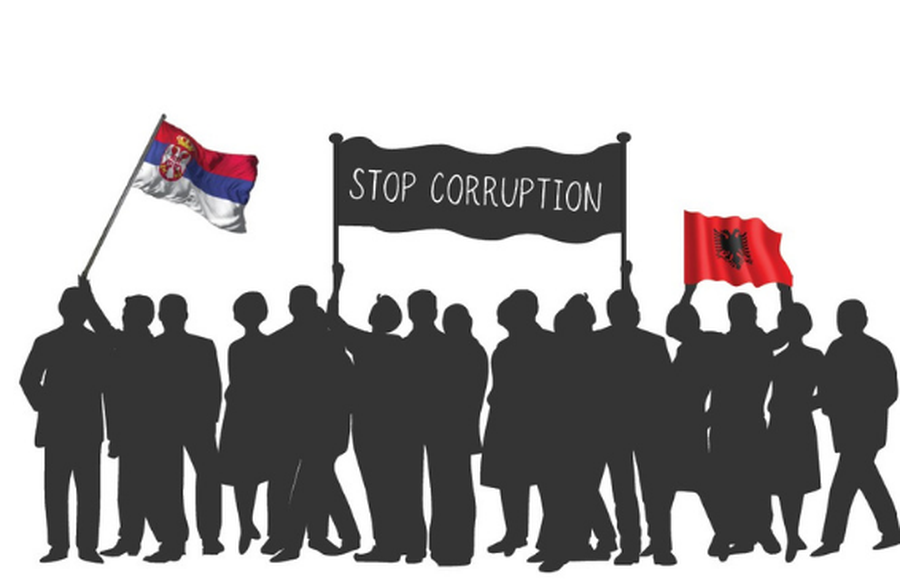
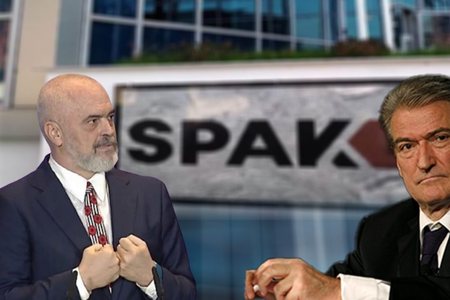
The ruling Socialist Party (SP) under Prime Minister Edi Rama has been embroiled in various corruption scandals, particularly related to public procurement and misuse of state resources. However, opposition figures such as Sali Berisha also face corruption charges...
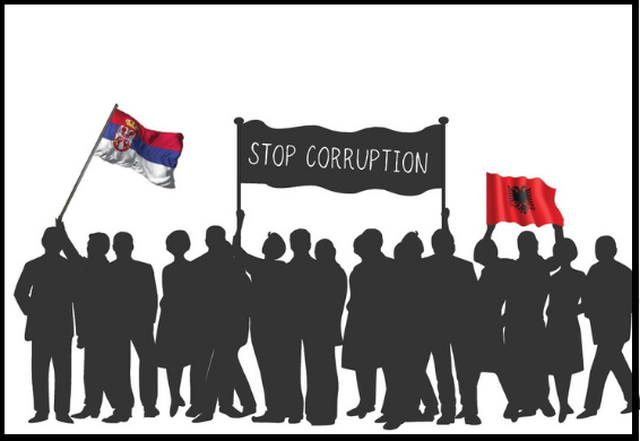
Despite efforts towards EU integration, corruption remains a defining challenge in the Western Balkans. In 2024, massive protests erupted in Serbia and Albania, each exposing the different forms of corruption in these countries. While both movements reflect growing disillusionment, their distinct trajectories reveal how political structures shape anti-corruption efforts. Why did the protests in Serbia take a grassroots form, while those in Albania were closely linked to opposition parties? And what do these differences tell us about corruption in the region?
Albanians and Serbs rise up against corruption
In November 2024, the collapse of the Novi Sad train station canopy killed 15 people and injured two others, sparking a wave of anger across Serbia. Whistleblowers revealed that corruption and nepotism were responsible for the shoddy reconstruction work, part of a wider trend of opaque infrastructure projects linked to Chinese state-owned companies. Students led the cause, mobilizing in over 150 municipalities, including Belgrade, Novi Sad, Kragujevac, and Niš. Opposition leaders and civil society groups joined the protests, demanding the release of full documentation for the train station renovation and criminal liability for those responsible. Despite violent attacks against protesters, the movement has grown into the largest student protest in Serbia since 1968.
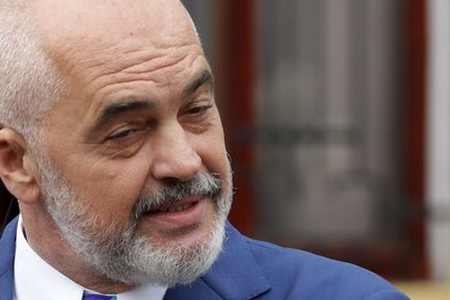
In Albania, protests erupted in October 2024 after a corruption scandal engulfed Prime Minister Edi Rama's Socialist Party (SP). Opposition parties accused the government of electoral fraud and judicial manipulation, demanding justice. Led by the conservative Democratic Party (PD) and its allies, demonstrators blocked roads in six cities, calling for a technocratic interim government until parliamentary elections in 2025.
In February 2025, protests flared again after the arrest of Tirana Mayor Erion Veliaj on corruption charges. Veliaj's supporters gathered outside the Special Structure Against Corruption and Organized Crime (SPAK), denouncing what they described as a politically motivated arrest.
SPAK is an independent judicial institution responsible for the investigation and prosecution of cases of corruption and organized crime at high levels.
Although both protest movements were sparked by frustration with widespread corruption, they have evolved in different directions. In Serbia, the protests have been largely led by students and grassroots movements, making them independent of direct political influence. This lack of leadership has both advantages and disadvantages: it prevents the government from easily targeting a specific opposition figure, but it also makes it difficult to translate the movement into concrete policy changes. In contrast, Albania’s demonstrations have been largely led by opposition forces, making them inherently politicized. This association with opposition parties has led to reduced public mobilization compared to Serbia, where the protests have maintained broader social support.
Serbia hostage to corruption
The different trajectories of the protests can be attributed to structural differences in corruption itself. While the Western Balkans is often seen as a single entity, corruption manifests itself in different ways across the region, highlighting that not all corruption is the same.
Serbia represents a consolidated form of state capture, where corruption is highly centralized under the dominant Serbian Progressive Party (SNS). The SNS has strengthened control over key state institutions, transforming corruption into a tool for political dominance rather than simply personal enrichment. State institutions, including the judiciary, law enforcement, and regulatory bodies, operate under the strong control of the ruling party. Prosecutorial independence remains weak, with judicial appointments and promotions influenced by political considerations. High-profile corruption cases involving government figures rarely see legal consequences, while opposition leaders and critics often face selective prosecution. The telecommunications sector is particularly vulnerable to monopolization, as state actors exert influence over licensing to benefit politically connected firms. Serbia’s public procurement law for linear infrastructure projects further enables corruption. The government can classify projects as "of particular importance," exempting them from standard procurement rules and bypassing competitive bidding, increasing the risk of favoritism.
The means to combat corruption are also limited. Asset confiscation mechanisms, a key tool in the fight against corruption, remain ineffective, allowing illicit wealth to remain untouched. Serbia’s political leadership also tends to ignore the Anti-Corruption Council, indicating that anti-corruption efforts remain largely symbolic.
Aktorët e jashtëm si Rusia dhe Kina çimentojnë më tej korrupsionin duke ofruar mbështetje politike dhe financiare për elitën në pushtet. Projektet e infrastrukturës të financuara nga kompanitë kineze, shpesh të etiketuara si IHD, janë në realitet hua që detyrojnë Serbinë të punësojë firma, teknologji dhe materiale kineze. Këto marrëveshje anashkalojnë ligjet e prokurimit përmes marrëveshjeve ndërshtetërore, duke kufizuar mbikëqyrjen, duke krijuar rreziqe mjedisore dhe ekonomike që thellojnë kapjen e shtetit.
Beteja e korrupsionit në Shqipëri
Në kontrast me kapjen e shtetit të centralizuar të Serbisë, korrupsioni në Shqipëri është më i fragmentuar. PS në pushtet nën kryeministrin Edi Rama është përfshirë në skandale të ndryshme korrupsioni, veçanërisht në lidhje me prokurimet publike dhe keqpërdorimin e burimeve shtetërore. Megjithatë, figura të opozitës si Sali Berisha përballen gjithashtu me akuza për korrupsion. Ndërsa kjo ka çuar në një shqyrtim më të madh, zbatimi mbetet i paqëndrueshëm.
Shqipëria ka parë një numër më të madh hetimesh për korrupsion sesa Serbia, kryesisht për shkak të SPAK-ut, i cili ka çuar në disa arrestime të profilit të lartë. Megjithatë, dënimet mbeten të ulëta për shkak të ndërhyrjeve politike dhe kufizimeve operacionale. Pavarësisht disa përparimeve të bëra në reformat në drejtësi përmes proceseve të verifikimit, zbatimi ndaj figurave të fuqishme është jokonsistent. Polarizimi politik dobëson më tej llogaridhënien institucionale, me elitat qeverisëse dhe opozitare që angazhohen në akuza të ndërsjella në vend që të ndjekin reformat sistematike. Mbetet për t'u parë nëse rritja e dënimeve bëhet një trend më i gjerë në Shqipëri.
Ndryshe nga Serbia, ku aleancat gjeopolitike përforcojnë korrupsionin, Shqipëria përballet me sfida nga ndikimet rajonale dhe kriminale. Roli i vendit si një pikë tranziti për tregtinë e paligjshme ka lejuar që korrupsioni dhe krimi i organizuar të ndërthuren thellë. Ryshfeti brenda organeve të zbatimit të ligjit lejon që rrjetet e trafikut të drogës të veprojnë pa u ndëshkuar, duke gërryer më tej besimin e publikut në institucionet shtetërore.
Në Shqipëri, politizimi i ndjekjeve penale të korrupsionit pasqyrohet në politizimin e protestave. Organet e pavarura si SPAK akuzohen për njëanshmëri, pasi rastet e korrupsionit shpesh perceptohen si mjete për beteja politike dhe jo si drejtësi e paanshme. Kjo dinamikë nxit mosbesimin ndaj organeve legjitime kundër korrupsionit dhe kufizon mobilizimin me bazë të gjerë. Protestat janë të lidhura ngushtë me përkatësitë partiake sesa unifikuese në luftën kundër korrupsionit.
A mund të shfaqet demokracia në Evropën Juglindore?
Transparency International’s Corruption Perceptions Index further highlights these contrasting realities: public perceptions of corruption in Serbia are worsening, as the government’s deep control over state institutions has effectively closed the way for meaningful anti-corruption reforms, fueling widespread disillusionment. Albania, on the other hand, despite the ongoing protests, has shown a slight improvement, which can be attributed to the efforts of SPAK and the fact that each political party is seeing arrests for corruption on the opposing side. However, this progress remains fragile. Public perceptions of corruption in Albania are deeply polarized, with many people viewing anti-corruption efforts through a partisan lens.
Ultimately, the protests offer a counter-narrative to the widespread portrayal of Southeast Europe as a region plagued by illiberalism and democratic slippage. They show that even in environments where corruption runs deep, there is potential for democracy to emerge from below. Whether this will lead to sustainable reforms is uncertain. What is clear, however, is that the pace of EU integration for Serbia and Albania depends on the continued effectiveness of anti-corruption measures. Progress in accession negotiations will depend on whether these countries can create genuine, independent institutions capable of tackling corruption at all levels. /Adapted from “Pamphlet” by “Institute for the Danube Region and Central Europe”




Lini një Përgjigje