


 Shkruar nga Emin Azemi
In the international diplomatic perception, it appears that this destabilizing Serbia is hindering only Kurti, but not the opposition and the majority of analysts in Pristina. Anyone who dares to go against Vučić, be it the opposition in Belgrade or Kurti in Pristina, has no understanding and approval in Brussels and Washington. I don't think that the West wants a Kosovo without Albin Kurti at the head and a Serbia with the pro-Russian Aleksandar Vučić as president.
Every legitimate action of the Government of Kosovo that has to do with the extension of sovereignty in the north of the country has three major critics: Belgrade, the international community and the local opposition. The reactions coming from Brussels and Washington to the Government of Kosovo are the product of a constant, but unreasonable, policy of the West towards sensitive issues related to Kosovo-Serbia relations. According to this policy (which primarily applies only to Kosovo), all open issues between the two countries must be resolved through dialogue, and not through actions that could be a source of tensions and incidents in the north of Kosovo. This absurd placement of the symmetry of guilt and responsibility has emboldened Belgrade to take destabilizing actions, including armed ones, which is why, even after the brutal intervention in Banjska, Brussels and Washington have continued to pamper the little Goebbels of the Balkans - Aleksandar Vučić, by tolerating him all pro-Russian policies and his autocratic tendencies to rule without a political alternative. They - Paris, Washington, Berlin, which until yesterday were models of parliamentary democracy, in the case of Serbia, want to rewrite new rules by replacing democracy with autocracy and stifling the opposition at the expense of a Milosevician political figurehead.
On the other hand, this "pragmatic" and unreasonable attitude of the West towards Kosovo has been modified depending on which political structure leads the power in Pristina. Now, when the Government is headed by Albin Kurti, the attitudes of the West are tougher, because in the international deployment centers there are bureaucrats who think that all Kurti's political decisions related to the north of Kosovo should be filtered in Brussels and in Washington.
In the international settlement centers there are bureaucrats who claim that, not the opposition in Belgrade, but Kurti's government policies are endangering the Milosevician future of Vučić, that is why an hour ago Kosovo should be declared a problematic country and who dares to lead it according to the spirit sovereignist, risks losing the support of these bureaucrats(!). According to these centers, any legitimate mandate in Pristina that originates from the people's vote cannot produce sovereign politics in the north of Kosovo.
Surprisingly, the stronger the Serbian opposition's criticism of Vučić's autocratic policies, because the latter has turned his country into a quagmire of radical single-mindedness, the harsher are the attitudes of the West towards Albin's policies. Kurti regarding the political and institutional management of the north of the country. Whoever comes out against Vucic, be it the opposition in Belgrade or Kurti in Pristina, they have no understanding in Brussels and Washington, who, after initiating the establishment of the Special Court against the KLA, have regretted getting rid of the satrap Milosevic. Therefore, their cynical attitudes are nothing but a failed alchemical attempt to reincarnate the figure of Vučić in pro-Russian colors in Milosevic's corpse... Therefore, it turns out that foreign diplomats are not at all hindered by an autocratic and pro-Russian politician like Vučić, unwanted by the opposition, but a politician like Kurti, who is trying to develop his government policies which he had promised before winning the elections, prevents him. Kurti is also criticized for issues that were the subject of Brussels agreements, such as the opening of the Ibri Bridge, or license plates, but he is demonized again and declared less than anti-American.
According to this logic, it seems that Kurti, not Vucic, is the source of all evil, therefore he should be presented in the media as hated as possible so that his popularity falls and, as a result, he suffers a fiasco in the next elections.
S’do mend se Perëndimi po e dëshiron një Kosovë pa Albin Kurtin në krye dhe një Serbi me Vulinin zv. kryeministër dhe Aleksandër Vuçiçin - president. Pse, sepse ky i fundit, siç mund të thuan cinikët, po koordinohet fuqishëm me Perëndimin kur po e shtyp opozitën dhe mediat e lira në vendin e tij, po koordinohet fort me Perëndimin kur po refuzon të vendosë sanksione ndaj Rusisë, po koordinohet fort me Brukselin dhe Washingtonin kur linjat ajrore Moskë-Beograd dhe anasjelltas, funksionojnë papengueshëm për bartjen e oligarkëve rusë që ndodhen në listat e zeza amerikane, po koordinohet fort me Perëndimin kur eterin i Serbisë e ka shndërruar në poligon propagande për mediat ruse (Russia Today, Sputnik etj.) që për çdo ditë e helmojnë publikun me retorikë anti-Nato, e anti-SHBA. Cinikët pastaj po thonë se Vuçiçi po koordinohet fort me Perëndimin pasi që ende nuk ka bërë një hap minimal në gjetjen e mbi njëmijë kufomave të shqiptarëve që ndodhen nëpër gropat e mbuluara me asfalt.
Pse Kurti nuk po e merr Vuçiçin si model? Pak a shumë ky është mesazhi i diplomatëve të huaj i mbështjellë me një cinizëm banal kur adresojnë kritika për çështje të pastra si loti, të cilat fare mirë ishin trajtuar dhe kishin marrë udhë juridike në marrëveshjet paraprake të Brukselit dhe këto marrëveshje kanë mjaftuar t’i shërbejnë Kurtit si bazë mbi të cilat janë koordinuar edhe veprimet e tij politike e institucionale. Kurrfarë veprimi i tij nuk është jashtë këtyre marrëveshjeve, ndonëse Vuçiçi shikon te këto veprime të Kurtit rrezik për mosrealizimin e “botës serbe”. A po shndërrohen edhe disa diplomatë në Bruksel dhe në Washington në sponsorizues të tërthortë të këtij projekti hegjemonist serb, i cili është një laborator fantastik për prodhimin e dodikëve të rinjë në këto hapësira?!
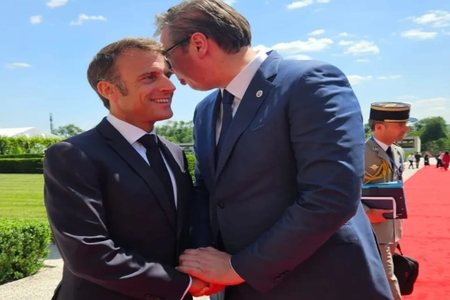
Në anën tjetër, Beogradi marrëveshjet në Bruksel i nënshkruan për t’mos i zbatuar, por kjo nuk mjafton që Vuçiçi të konsiderohet jobashkëpunues me Perëndimin. Përkundrazi, ai edhe shpërblehet për politikat e tij proruse e prokineze. Për presidentin francez Emmanuel Macron, Vuçiçi, ndonëse i padëgjueshëm e prorus, është një djalosh simpatik, dhe për pasojë e meriton të pajiset me fluturake ushtarake “Rafale”, sepse në këtë mënyrë nesër do ta ketë më lehtë të bëjë ndonjë luftë të vockël me NATO-n në krah të Rusisë (!).
Ndaj gjithë këtij diksursi diplomatik perendimor për çështje të pambyllura shqiptaro-serbe dhe ndaj rrezikut serb për ta destabilizuar Kosovën, si po sillet opozita dhe një pjesë e gazetarëve dhe analistëve në Prishtinë?
Kur opozita e Kosovës ka dalë me një listë kërkesash, përfshi edhe ekstradimin e Radojçiçit në Kosovë, përmes të cilave do t’i bëhej trysni politikës serbe në Beograd që të heq dorë nga skenarët destabilizues dhe nga përpjekjet për ta shndërruar Kosovën problem të brendshëm të Serbisë?!
Kur opozita e Kosovës e ka kryer një obligim minimal moral ndaj shqiptarëve të Preshevës, Medvegjës e Bujanocit, me kërkesën drejtuar diplomatëve të huaj që statusi i këtyre shqiptarëve të ketë trajtim të barasvlefshëm me statusin e sebëve në Kosovë?!
Kur opozita e Kosovës ka inicuar ndonjë pakt të përkohshëm bashkëpunimi me opozitën serbe në Beograd për shpalljen e politikanëve Vuçiç, Vulin, Daçiq etj. si burim i të gjitha të këqijave që mund t’i ndodhin Ballkanit?!
Kur opozita e Kosovës ka përgatitur një dosje të trashë me material inkriminues që do ta bënin përgjegjëse Serbinë para gjykatave ndërkombëtare për krimet monstruoze të kryera në Kosovë gjatë viteve 1998/99, por edhe më herët?!
Jo. Opozita e Kosovës nuk ka ndërmarrë deri më tani asnjë prej veprimeve të sipërpërmendura. Përkundrazi, ajo është marrë vetëm me Albin Kurtin dhe mendimin e vet politik opozitar nuk po e ndërton mbi diskursin e brendshëm politik, që duhet ta ketë, por mbi qëndrimet e diplomatëve të huaj, edhe atëherë kur ata e kanë gabim.
Opozita e Kosovës, në mungesë të alternativave dhe kauzave të saj, e ka gjetur mënyrën më të lehtë për ta goditur Kurtin me grushtat e huazuar nga diplomatët e huaj.
Dhe kjo është mënyra më e lehtë e të bërit opozitarizëm, sepse të gjithë ata që e kundërshtojnë Amerikën dhe Serbinë, sipas opozitarëve të Prishtinës, janë hiq më pak se armiqë të Kosovës. Në dioptrinë e kësaj pikëpamjeje sipërfaqësore del që Albin Kurti është armiku më i madh i Kosovës. Pse? Sepse ai nuk po koordinohet me aleatët perëndimorë në favor të Serbisë para se të ndërmerr veprime të caktuara në veri të Kosovës.
Në Prishtinë, politikanët bien nga pushteti, jo prej votës së popullit, por prej presionit të diplomatëve të huaj dhe këtu buron defekti më i madh i opozitës e cila më tepër merret me regjistrimet e gabimeve të Kurtit në noteset e ndërkombëtarëve, se sa me problemet reale që ka Kosova, për të cilat përgjegjës janë edhe opozitarët e tanishëm që dje ishin në pushtet.
It is not in the nature of oppositionism to agree with every action of the government, but it is also not normal for every damage done to Kosovo by Serbia to be viewed through the eyes of internationals. Not a few opposition politicians and a large part of journalists and analysts have turned into international observers and have abandoned their sacred mission of opposing the harmful solutions that are made at the expense of Kosovo, which have as their starting point the process of undoing soft state sovereignty of Kosovo and the renegotiation of its status, transforming Kosovo into a problematic suburb of the Balkans, where only Serbian threats of destabilization can turn it from the path of single-minded state formation.
We can understand the bureaucrats in Brussels and Washington for their 'pragmatic' attitudes towards the open issues between Kosovo and Serbia, because in their big geopolitical and geostrategic maps Kosovo may seem like a small point, but it is it is totally incomprehensible that the opposition in Kosovo plays the role of crutches of foreign ambassadors, for any issue that conflicts with the vital interests of Kosovo and with the absurd tolerances made to Serbia. It is absurd to even think that in Pristina there are still opposition politicians who silently agree with the blackmailing of the West that is done to Kurti, not for the good of Kosovo, but only for the latter to be removed from the political competition.
In the diplomatic perception, it appears that this destabilizing Serbia is hindering only Kurti, but not the opposition and the majority of analysts in Prishtina, and as long as this is the case, then Kosovo should be punished with sanctioning measures, while Kurti should be declared an undesirable politician in the political decision-making offices international.
This anti-Kurti mood is welcome for the opposition, now on the eve of the next parliamentary elections, and every political action of the Government of Kosovo, which has to do with the north of the country, from now on by the opposition will be read with the foggy glasses of the international , except that in those glasses Kosovo sometimes appears as the dark villas of the Balkans, sometimes as a creature of Ahtisaari with unfinished citizenship.
This is what happens when the political dioptre is adjusted according to some foggy glasses, while the political action is based on the fists borrowed from the internationals(!).



Lini një Përgjigje