


 Shkruar nga Pamfleti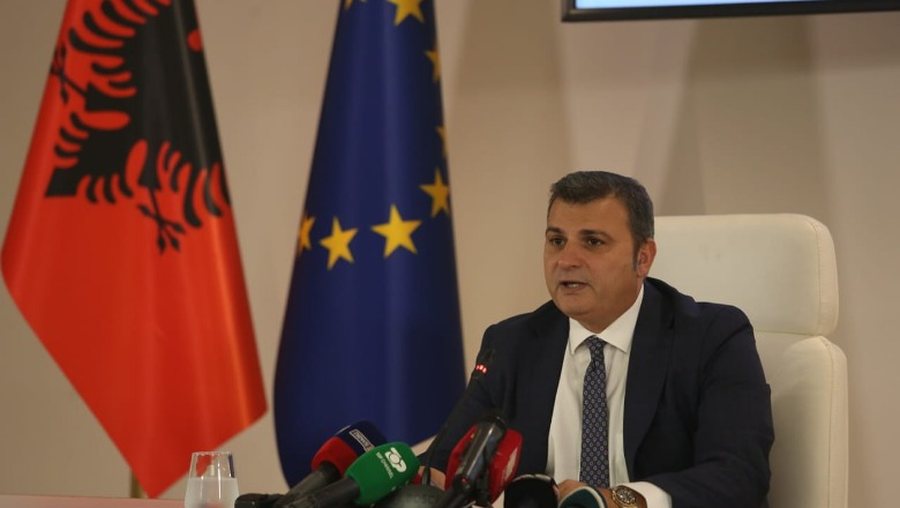
The Bank of Albania has increased by 0.25 percentage points the basic interest rate for the lek, bringing it to 3.25 percent. The governor of the Bank of Albania, Gent Sejko, argued the decision-making with the fact that the price crisis continues to feel strong.
The Bank of Albania predicts that with today's increase, inflation will return to the 3% target within the second half of next year. According to the Governor of the Bank of Albania, Gent Sejko, the reason is the high inflation mainly of basket products.
" The interest rate increases by 0.25%. The base rate from today will be 3.25%. The cause is high inflation mainly of basket products. Inflation will return to the target at the end of 2024. Economic activity is increasing while inflation has basket items are on the rise, while geopolitical tensions have driven up oil prices. Inflation is above our target, and its decline has slowed in recent months. Interest rates will rise again if inflation continues on this trend. ", said Sejko during the press conference.
Sejko's full statement
Dear representatives of the media,
Today, on November 1, 2023, the Supervisory Council of the Bank of Albania reviewed and approved the Quarterly Monetary Policy Report.
The new information received in the analysis was generally in line with our expectations. Faced with a challenging foreign environment, economic activity in the country has increased during 2023, while inflation has come down progressively. These positive trends are expected to continue in the future.
However, the Supervisory Council assessed that internal inflationary pressures continue to remain high. For this reason, in today's meeting, he decided to reduce the intensity of the monetary stimulus, aiming to create the appropriate financial conditions for the return of inflation to the target, within the next year.
[ In the following, I will explain in more detail today's decision and the reasons that motivated it. ]
***
Consumer price inflation recorded an average level of 4.1% in the third quarter, following the downward trend followed during the previous two quarters. The reduction in inflation during this quarter reflected - mostly - the fall in food inflation. On the other hand, the inflation of other basket items appeared relatively stable, while increased geopolitical tensions have led to an increase in oil prices.
From a macroeconomic point of view, the fall in inflation during 2023 was largely dictated by the fall in imported inflation. This trend has reflected the general stabilization of the prices of basic products in international markets, the fall in inflation in our trading partners, as well as the strengthening of the exchange rate of the lek over the last two years. At the same time, internal inflationary pressures have also decreased, but they continue to remain relatively high and stable. Under these circumstances, the rate of inflation decline slowed down in the third quarter, while core inflation continues to remain above the target.
The Albanian economy continues to maintain a positive development trend. The volume of economic activity increased by 3.2% in the second quarter, marking an improvement compared to the previous period. Available indirect data suggest that this growth trajectory continued in the third quarter as well. Economic growth is dictated by the expansion of consumption and private investments, as well as by the increase in income from tourism. It is reflected in the expansion of activity in the services and construction sector, while other sectors of the economy have had a weaker performance.
The steady increase in demand for goods and services has pushed the economy into a positive phase of the business cycle. It is reflected in the improvement of the financial situation of the business and the consumer, in the continuous increase in employment, as well as in the rapid increase in wages and production costs. In this context, wages in the private sector increased by 15% in the second quarter, the unemployment rate is near historical lows, while businesses report difficulties in securing labor. These dynamics suggest that – although declining – domestic inflationary pressures are not yet in line with our price stability objective.
In the macroeconomic aspect, economic growth is being supported by the increase in foreign demand in certain segments of the Albanian export, by the healthy balances of the private sector, by improved business and consumer confidence, as well as by the still stimulating monetary and financial environment.
The careful normalization of the stance of monetary policy has helped to control inflation during 2022 and its return to a downward trajectory during 2023, as well as enabled the normal functioning of financial markets. It has been accompanied by a general increase in interest rates in the interbank market, the government securities market, as well as deposits and loans in lek. However, the increase in interest rates in Albania is among the lowest in the region, and financing costs and conditions remain stimulating. In particular, loan interest rates appear stabilized during the third quarter, or with downward trends in certain segments.
Në përgjigje të tyre, kredia për sektorin privat ka vijuar të shënojë norma pozitive rritjeje gjatë këtij tremujori, ndonëse ritmi i rritjes ka ardhur në ngadalësim. Ky ngadalësim pasqyron – në masën më të madhe – përmirësimin e gjendjes financiare të bizneseve dhe reduktimin e nevojave të tyre për kapital qarkullues, ndërkohë që ritmet e rritjes së kredisë për investime dhe të kredisë për familje shfaqen relativisht të qëndrueshme. Në të njëjtën kohë, struktura e portofolit të kredisë po shfaq një orientim gjithnjë e më të madh drejt lekut, si pasojë e reduktimit të diferencës së normave të interesit dhe forcimit të kursit të këmbimit, ndërsa cilësia e këtij portofoli mbetet e lartë, sikundër ilustrohet nga nivelet e ulëta të raportit të kredive me probleme. Këto zhvillime sugjerojnë se sektori bankar mbetet i gatshëm dhe i aftë t’i përgjigjet me financim kërkesave të sektorit privat për zgjerimin e investimeve, për rritjen e konsumit dhe për blerjen e banesave.
Paralelisht me këto zhvillime, kursi i këmbimit të lekut ka shfaqur një qëndrueshmëri në rritje gjatë muajve të fundit, ndërsa tregu valutor ka funksionuar i qetë dhe me parametra aktiviteti normale. Kjo ecuri sugjeron stabilizimin e raporteve të kërkesës dhe ofertës për valutë rreth niveleve aktuale të kursit.
Përditësimi i parashikimeve tona sugjeron se këto trende do të vijojnë edhe në periudhën e ardhshme.
Aktiviteti ekonomik pritet të vijë në rritje gjatë horizontit afatmesëm, duke ndihmuar rritjen e punësimit e të pagave, si dhe duke mbështetur shëndetin e bilanceve financiare të bizneseve e familjeve. Ritmi i rritjes ekonomike pritet të shënojë një ngadalësim të lehtë gjatë vitit të ardhshëm, si pasojë e kontekstit ekonomik botëror dhe kushteve më të shtrënguara të financimit, por ai pritet t’i rikthehet ritmeve të tija historike në vitet në vijim.
Paralelisht me të, inflacioni pritet të vijë në rënie graduale gjatë vitit të ardhshëm dhe të kthehet në objektiv në gjysmën e dytë të vitit 2024. Megjithatë, analizat tona sugjerojnë se përmbushja e këtij parashikimi kërkon një reagim të politikës monetare, për të mundësuar reduktimin e mëtejshëm të presioneve të brendshme inflacioniste.
Së fundi, parashikimet tona sugjerojnë se treguesit kryesorë të ekuilibrave të brendshëm e të jashtëm të vendit: shëndeti i sektorit bankar, borxhi publik dhe borxhi i huaj i vendit, do të mbeten të qëndrueshëm ose do të vijnë në përmirësim.
***
Bazuar në sa më sipër, Këshilli Mbikëqyrës i Bankës së Shqipërisë vendosi:
të rrisë me 0.25 pikë përqindjeje normën bazë të interesit, duke e çuar atë në nivelin 3.25%;
të rrisë me 0.25 pikë përqindjeje normën e interesit të kredisë njëditore, duke e çuar atë në nivelin 4.25%;
të rrisë me 0.25 pikë përqindjeje normën e interesit të depozitës njëditore, duke e çuar atë në nivelin 2.25%.
The Supervisory Council judged that the reduction of the monetary stimulus, through the further normalization of the stance of the monetary policy, is a necessary measure to guarantee the return of inflation to the target within the next year. It factors in the need for a more active role of the monetary policy in terms of balancing the demand and supply for goods and services, against the expectations for a more stabilized course of the exchange rate and a more neutral fiscal policy in the medium term horizon. In this context, it serves to preserve the purchasing power of Albanian families, guarantee the monetary and financial stability of the economy, as well as the sustainable and long-term development of the country.
Also, the Supervisory Council notes that this decision was consistent with our previous communications, and continues to maintain the general position of the monetary policy in stimulating positions.
Finally, the Supervisory Council emphasizes that high inflationary pressures from the domestic economy remain a risk factor for price stability in the country and that the balance of risks to inflation has shifted upwards. In this dispute, he remains ready to continue the process of normalizing the stance of the monetary policy, if this measure is considered necessary for respecting our inflation objective.




Lini një Përgjigje