


 Shkruar nga Pamfleti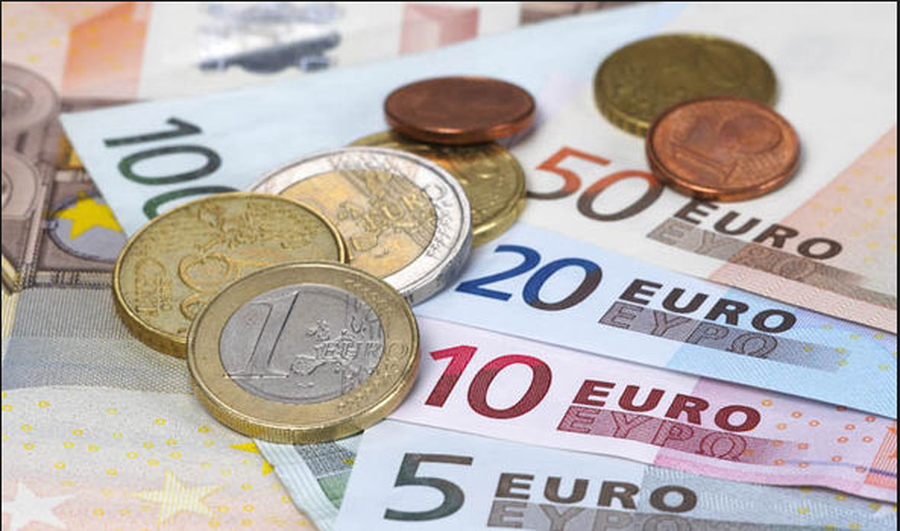
Fluctuations with rising tendencies but not beyond the level of 100 lek. This is expected to be the new normality of the Euro exchange in Albania until the end of the year. Market experts foresee this situation as a consequence of the still influential effect of the summer season, the increase in remittances, foreign direct investments and informal money.
Economy expert Ardian Civici said that a slight increase is expected after September.
"It is a multi-month trend which does not seem to have stopped to create stability, it is the middle of September, the effects of monetary flows in euros of July and August continue to produce effects" , said Civici.
Currently, 1 euro in the Albanian foreign exchange market is being exchanged for 99.25 lek, with an increase of only 0.01 lek in the last 24 hours. While in the same period a year ago, 7 lek more was exchanged.
"We have entered a new stable structural balance, but we may have small fluctuations since the entry is more seasonal. But now I think that the situation is more stable from the point of view of this balance", he said for "A2 CNN".
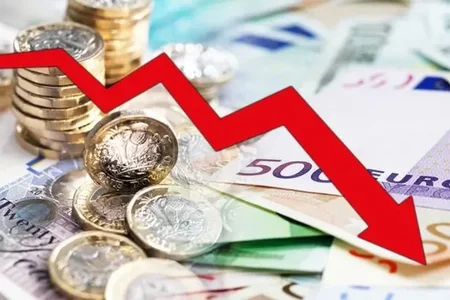
Although there have been positive impacts for some sectors, on the other hand the exchange rate continues to be damaged even further. But what would further raise the level of the euro against the lek?
"We are currently a country with two currencies and a decision of a strategic nature is required if we will take a series of measures to limit informal payments in the uro in order to influence the exchange rate," says the expert.
Until now, the central bank has not published information regarding the amount of direct foreign exchange purchases to prevent further appreciation of the lek in the exchange rate. In the auctions planned for 2024, the Bank of Albania expects to withdraw 250-330 million euros from the market.
"They had small effects, rather they reflected the Bank of Albania's caution not to let the exchange rate fall below that it would have many consequences in many decision-making", says Civici.
The monetary policy of the Central Bank, which is reflected in the basic interest rate in relation to inflation, has its field of action on the money supply in Lek without having an impact on this large amount of euros in circulation.





Lini një Përgjigje