


 Shkruar nga Pamfleti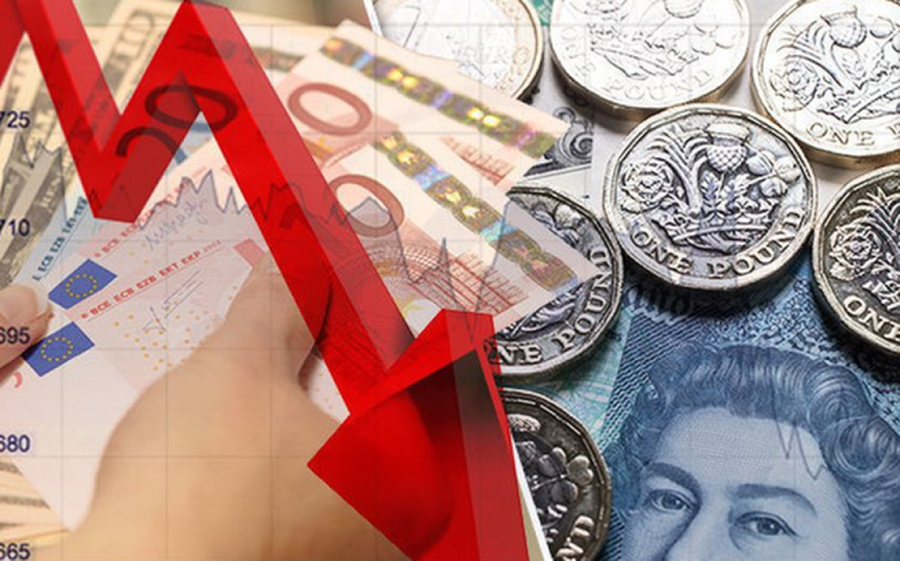
This year brought significant changes in the Albanian economy. The lek strengthened significantly against foreign currencies, mainly the euro. Economy expert Brunilda Isaj attributed this phenomenon to several factors.
Isaj underlined that the euro has fallen by 9.1% compared to last year.
" Our local currency, with dignity, has passed a year which has reflected an increase in the price of the lek at very high levels, resulting from two main factors. The high liquidity of the euro, from the increase in tourism, from the increase in remittances, which we know that according to market rules, the more liquidity we have in the market, the more the price falls. We also had a decrease in liquidity in the Lek currency, it came from a limited amount of expected investments, but also a smaller injection into the economy, due to the inflation rate. These have had the effect that the ratio of the euro to the lek has led to a devaluation of the euro. The euro has fallen by 9.1% compared to last year ", she emphasized in "ABC News".
While the expert Genti Beqiri said that the weakening of the euro re-evaluates Albania's foreign debt to third parties.
" I believe that the analysis is correct, but I would add that normally in an economy like that of Albania, there are also other factors, related to informality, with some priority investments in the construction sector, energy, which has influenced this devaluation. It is probably the reluctance of the Bank of Albania not to intervene, a weakening of the euro reevaluates the foreign debt it has to third parties. Undoubtedly, tourism and some other sectors have had a positive impact, but it is not the only factor, but something broader ", he declared.




Lini një Përgjigje