


 Shkruar nga Pamfleti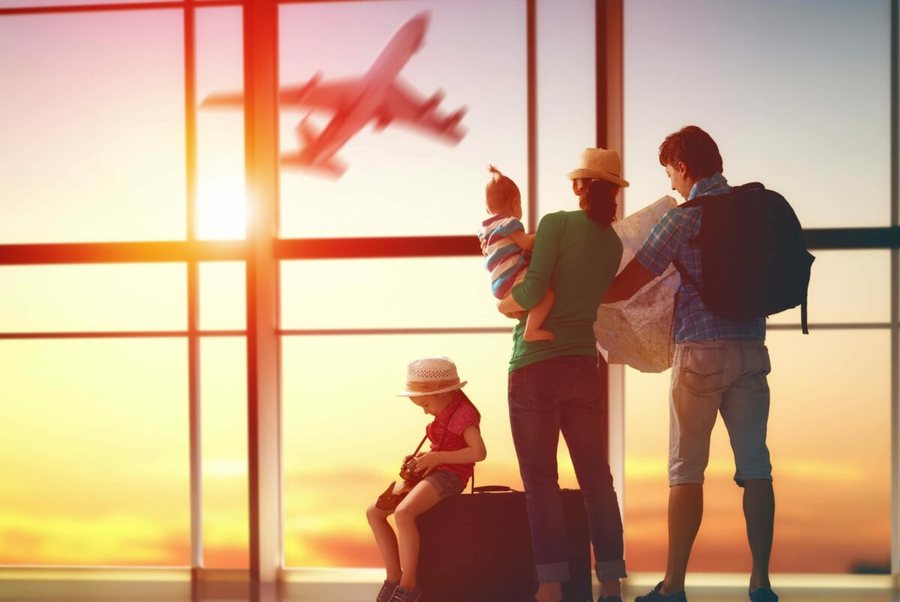
Albania has become like never before this year the host of tourists from all over the world, marking a record entry of foreign citizens, who have "conquered" the whole country, from south to north.
The relatively cheap prices that the country offers in relation to Western countries, or the numerous publications in foreign media about the country's beauties, have encouraged Italians, Spaniards, Nordics, Czechs, Poles, etc., in addition to the citizens of Kosovo, who have always been "loyal".
But, on the other hand, the Albanian citizens themselves find it difficult to afford the holidays. The latest Balkan Barometer, a publication of the Regional Cooperation Council (RCC) found that 60% of Albanians are unable to afford a week's vacation away from home.
This weight is the same as last year and remains the highest in the region, with 15 percentage points above the regional average. Only 39% of Albanian citizens are able to afford a week away from home, the lowest in the region.
Second after Albania are the Montenegrins, with 50% of the respondents claiming that they are unable to afford a week's vacation abroad. For North Macedonia this indicator is 47% and for Serbia 45%
Citizens of Kosovo, a significant part of whom spend their holidays in Albania, think that they are able to afford the holidays, much more than the Albanians. 38% of them have affirmed that they cannot afford vacations, while 58% of them can afford them.
Residents of Bosnia and Herzegovina are more likely to afford vacations in the region. 31% of them have no opportunity, while 67% stated that they are able to go away for a week to have fun.
In Albania, the inability to afford vacations is related to the use of money for more essential services. For example, 25% of respondents said that they had at least once during the last year difficulties to pay electricity and electricity bills, from 19%, which is the regional average.
19% had problems with paying loan installments; 52% had problems keeping the house warm (from 24% which is the regional average); 21% cannot afford basic supplies such as food or clothing (from the regional average of 17%);
For the ninth time in a row, the Regional Cooperation Council publishes the results of the Balkan Barometer – the annual survey conducted with six thousand citizens from all over the Western Balkans, giving an overview of their opinions about regional cooperation, EU integration, trust in public institutions and the media, their biggest concerns, employment, climate change, security, digital life, transport, rule of law, travel, etc./Monitor


Lini një Përgjigje