


 Shkruar nga Pamfleti
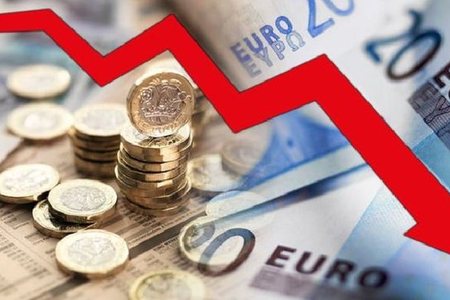
Exporters, as the most vocal party that has been hurt by the fall of the euro, are not the only ones. The euro in Albania has long been an important means of payment, including that of the labor force.
The economic expert, Klodjan Muço, tells Gazetasi.al that in Albania there are about 50 thousand employees, declared, who are paid in euros, who are directly affected.
"These are the second main losers after the exporters. Their incomes have been reduced even though the salary has remained the same. Their incomes are in Euros, but their expenses are in Lek and they get less", explains Muço.
Call-center businesses, a large part of which operate illegally, have been the first to feel this effect, whose income is only foreign currency, as well as the salaries of their employees.
Consequently, these citizens have less disposable income, related to this and their deposits, which are in euros. The devaluation of this currency has devalued by almost 1% every month the total stock of savings, translated into billions of lost ALL.
Remittance-dependent households will also find it more difficult to manage their finances, or their senders will feel increased pressure. The annual figure of remittances entering Albania is close to 800 million euros.
Expert Muço also mentions the real estate market as a loser, but which is being corrected. He explains that building materials are bought in euros, which means that the rate of loss is 'compensated'. Owners of rental apartments who set prices in euros are among those who lose.
However, this situation favors borrowers or renters in euros, whose income may be in Lek, and pay less obligations, although the amount has not changed./ Gazeta Si



Lini një Përgjigje