


 Shkruar nga Pamfleti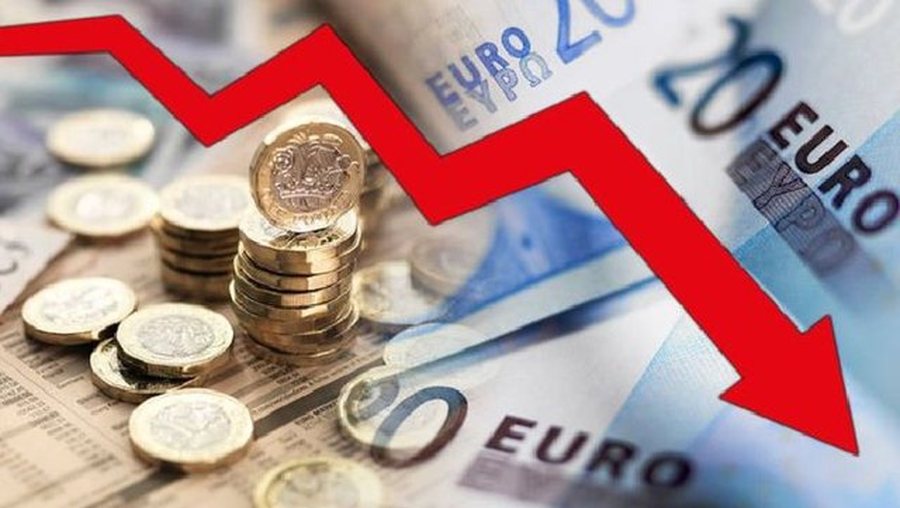
Most Albanians are suffering the consequences of the fall in the euro exchange rate. Directly affected are the families who live on remittances from immigrants and those who have deposits in euros, while the positive effects are experienced by a minority of importers who buy goods abroad with euros and sell them in lek in Albania and those who spend their holidays abroad.
The drastic drop in the euro exchange rate in the Albanian market is estimated to have economically damaged half of the population, which in the last official count in 2021 resulted in 2.8 million inhabitants.
Referring to the questionnaire of the National Security Barometer of a year ago, according to Eduart Zaloshnje, the rigorous field survey showed that 53% of Albanian families received foreign currency remittances from immigrant relatives.
With a rough calculation, about 1.4 million inhabitants of Albania have been damaged by the drastic fall of the Euro of more than 17% within a calendar year. Specifically, a family that received 100 Euro per month from immigrant relatives, now exchanges it for 100,000 old lek, not 117,000 old lek, as it was exchanged at the rate of a year ago. In addition, the increase in price inflation means that families supported by foreign currency remittances from immigrants, with 100,000 lek, buy less food, which constitutes a double financial blow for this category. The negative effects of the fall of the euro are not limited to that, as about 500 thousand Albanians have deposited their savings in the country's banks in foreign currency.
Those who saved 1,000 euros until a year ago, lose as their deposits are no longer worth the old 1,170,000 lek, but only 1 million lek, based on the current exchange rate of the euro. The drop in the euro exchange rate also has a serious impact on fashionistas and hoteliers, who collect their income in Euros, collecting 17% less than a year ago.
Although the number of those who lose from the fluctuation of the euro is higher, since it includes about 65,000 citizens who earn wages in euros, those who gain are about 50,000 importers who buy goods in the foreign market with a devalued currency and sell the goods in the domestic market with an overvalued lek.
The beneficiaries of this situation can also be the borrowers in euros, for whom the installments cost less, and those Albanians who have the opportunity to go abroad for vacations, since they can buy cheaper the Euros they need to spend in the countries they go to.
Experts linked the fall of the euro to the May 14 elections, but the drop continued beyond expectations even after the elections, reaching the lowest level on July 18. A year ago on July 21, 2022, the euro was exchanged at 119.1 Lek, while for 2023, the day with the strongest euro rate was January 6, 2023, while after several weeks of fluctuations, the decline began on March 21 to continue until the last days, while experts predict that this trend will continue during the summer.





Lini një Përgjigje