


 Shkruar nga Klodian Tomorri
No one can say whether the government is "sabotaging" it intentionally or from the inability to better manage public finances. But one thing can be said with utmost certainty. The government is killing the euro in the domestic market.
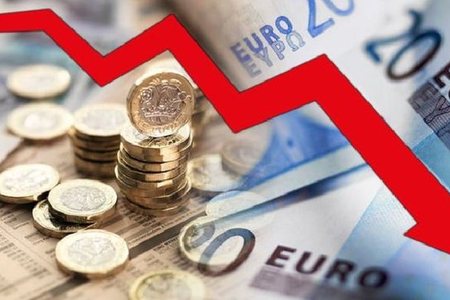
The drastic devaluation of the euro against the lek, in addition to concerns about the great negative consequences in the economy, has also opened a public debate among experts on what are the causes of the shock in the exchange rate.
A number of reasons have been put forward in the market to explain the abnormal devaluation of the euro, from money flows with illegal sources to speculation by certain groups. But there is another factor, which, although it has received less attention, is becoming a determinant for the sinking of the euro against the lek. This is the behavior of the government.
In the first six months of the year, the state budget closed with a surplus of 46 billion ALL. So, in the January-June period of this year, the government took from the market through taxes, levies or other sources 46 billion ALL more than it returned through spending. This money lies dormant under the government's mattress.
And yet, surplus does not tell the whole story. In addition, there is money received through internal borrowing. According to official data, for the first half of the year, the government received another 33.6 billion lek through borrowing in the domestic market. This is the drying up of the market from liquidity on a large scale.
To put it briefly, only through the budget balance and internal borrowing, the government has taken 80 billion ALL from the market without giving it back. So the supply of the national currency in the market is 80 billion lek less than it should be under normal conditions. The less lek there is in the market, the more the national currency strengthens against all other currencies.
Por rrudhja e ofertës së lekut në treg është vetëm njëri mekanizëm përmes të cilit, qeveria po e ndikon masivisht kursin e këmbimit. Mekanizmi tjetër është ai i operacioneve me borxhin.
Muajin e kaluar qeveria shqiptare mori 650 milionë euro borxh në tregjet ndërkombëtare. Ndërsa vendi po përballej me ofertë të lartë të euros, siç pranohet nga të gjithë, qeveria vendosi që të sjellë edhe më shumë euro në Shqipëri.
Oferta e lartë e euros në tregun vendas, e cila po diktonte zhvlerësimin e shpejtë të monedhës europiane, duhet ta kishte shtyrë qeverinë që një pjesë të borxhit në euro ta merrte në tregun e brendshëm. Përmes emetimit të obligacioneve në valutë, Ministria e Financave mund të kishte ngritur të paktën 200 milionë euro nga tregu i brendshëm, për sa kohë ky i fundit po përballej me një ofertë të madhe të euros.
Through this operation, the government would have withdrawn a part of the amount of euros from the market, significantly easing the pressures for the appreciation of the lek against it. But she did the opposite. It brought even more euros from abroad, even though the market was 'suffering' from the surplus of euros.
If you add to these developments the energy situation, where unlike a year ago where it withdrew 503 million euros from the market to buy energy from abroad, this year KESH has imported almost nothing, then the cocktail is complete.
No one can say whether the government is "sabotaging" it intentionally or from the inability to better manage public finances. But one thing can be said with utmost certainty. The government is killing the euro in the domestic market. Along with it, it is also killing exporters and the competitiveness of the Albanian economy.



Lini një Përgjigje