


 Shkruar nga Kostandinos Bogdanos
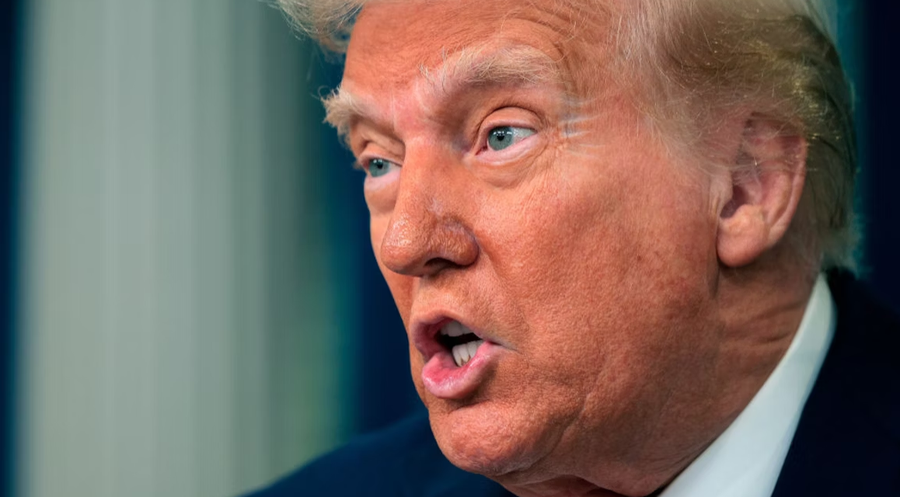
Berlin, of all places in Europe, should be the most nervous about this scenario. Germany's industrial base, already reeling from a self-inflicted crisis (primarily an energy policy designed by people who hate industry), is set to take a major hit from US tariffs...
There are so few predictable things in global politics that Brussels is often caught off guard. Once again, the EU, comfortable in a room where it hears only the echo of its own voice, finds itself at a loss as to how to react to Washington's latest move.
With Donald Trump back in power, the US is imposing a new round of tariffs, and this time the future of a united Europe is very much in question. Naturally, the EU elite, convinced as ever of its moral superiority, will issue harsh statements, insisting that the “rules-based order” is under attack.
But let's be honest: when it comes to trade, Brussels is a paper tiger. Trump is playing hard and fast, while Europe is playing hard and fast. Trump has made it clear that America will no longer tolerate deals that disadvantage American workers.
His first term brought a ruthless renegotiation of trade agreements and tariffs imposed on China that frightened European leaders. Now, in his second term, Washington has begun to use the same practices again.
And yet for some strange reason, the EU did not seem to expect the US to prioritize its economy. Brussels calculated that Washington's focus would be primarily on Beijing. But the reality is that Europe's bloated and protectionist economic model is as much a target for the new US administration as China's state-capitalist system.
In case anyone in Brussels still has any illusions, they should take a closer look at how Trump is now treating other trading partners. Canada and Mexico, once part of the United States-Mexico-Canada Agreement (USMCA), are facing a new barrage of tariffs: 25 percent on steel and aluminum imports, and threats of new taxes on auto parts and agricultural products.
The message is clear: The US must play by its own rules. China, meanwhile, remains Washington's main target. Trump's latest trade offensive has imposed a new round of 10 percent tariffs on Chinese electronics, semiconductors and consumer goods, escalating pressure on Beijing to reduce unfair subsidies to Chinese companies and curb intellectual property theft.
Teksa po përballej me një ngadalësim të rritjes ekonomike që pas pandemisë si dhe me largimin e kapitalit jashtë vendit, Kina rrezikon të ndeshet tani me probleme edhe më të mëdha. Dhe tani, është radha e Evropës.
Uashingtoni e di saktësisht se si të ushtrojë presion, duke goditur eksportet evropiane të makinave, subvencionet bujqësore dhe ndihmat ndaj industrisë së gjelbër aty ku dhemb më shumë. Logjika është shumë e thjeshtë: nëse Kanadaja, Meksika dhe madje edhe Kina duhet të pranojnë kërkesat tregtare të Trump, atëherë pse duhet të jetë ndryshe rasti i Evropës?
Më shumë nga të gjithë në Evropë, nervoz ndaj këtij skenari duhet të jetë Berlini. Baza industriale e Gjermanisë, tashmë e prekur nga një krizë e shkaktuar nga vetja (në radhë të parë një politikë energjetike e hartuar nga njerëz që e urrejnë industrinë), pritet të marrë një goditje të madhe nga tarifat e SHBA-së.
Uashingtoni e di saktësisht se ku të godasë: prodhuesit gjermanë të automjeteve, që janë shtylla kurrizore e ekonomisë evropiane. Argumenti i Trump është i thjeshtë. Nëse Gjermania dëshiron që të përmbytë tregun e SHBA-në me makinat e saj, në një kohë që godet me shumë rregullore produktet bujqësore amerikane, atëherë është koha për të vendosur të njëjtat rregulla në fushën e lojës.
Një raund i ri tarifash për makinat evropiane, mund të shkaktojë tronditje mbi ekonominë më të madhe të kontinentit, e cila tashmë është në prag të recesionit.
Por do të ishte një surprizë e madhe nëse Berlini - ose Brukseli - do të reagonin me ndonjë gjë që i ngjan një strategjie koherente.
Por në vend të kësaj të fundit, do të shohim me shumë gjasa ciklin e zakonshëm të zemërimit, kërcënimeve boshe dhe në fund të nënshtrimit. Zyrtarët e tregtisë së BE-së, do të shkojnë me nxitim në Uashington, do të luten për “dialog”, dhe do të kthehen në Evropë me asgjë kuptimplotë.
Por këtu tragjedia e vërtetë nuk janë tarifat e Trump, por fakti që BE-ja është kaq shumë e papërgatitur për t’i trajtuar ato. Për vite me radhë, liderët evropianë kanë këmbëngulur se modeli i tyre ekonomik është superior.
Ata kanë vënë bast gjithçka mbi idenë se industritë “e gjelbra”, do të zëvendësojnë si me magji prodhimin tradicional, se rregulloret e shumta nuk do të pengojnë inovacionin teknologjik, dhe se Amerika do të jetë gjithmonë aty për të amortizuar pasojat ekonomike të vetëkënaqësisë evropiane.
Tani të çarat në këtë fantazi po zgjerohen me shpejtësi. Bizneset evropiane po hasin shumë vështirësi nga çmimet e larta të energjisë, mbi-rregullim dhe një mbështetje e vetë-imponuar tek zinxhirët e brishtë të furnizimit.
Tarifat e Trump nuk do të jenë shkaku i dobësisë ekonomike të Evropës, por thjesht një rezultat i tyre. Megjithatë, ato mund të bëhen një zile zgjimi shumë e fortë. Por a ka shanse që Brukseli të tregojë më në fund se ka një shtyllë kurrizore?
The EU can respond by doing what it should have done years ago: prioritize economic self-sufficiency, cut unnecessary regulations, and stop treating the industry as an inconvenient relic of the past.
Instead of begging for mercy, she could negotiate with Washington from a position of strength. But let's not expect anything grand. The Brussels bureaucracy thrives on managing the EU's collapse, convinced that as long as the press conferences are moderate and the jargon is very complex, then everything is under control.
Meanwhile, Trump is doing what he does best. He is imposing reality on those who avoid it. So Europe must face reality. The question today is not whether the EU will suffer from Trump's new tariff policies, but whether it will finally learn the lesson that America, China and the rest of the world already understand: global trade is not a monastery, but a jungle. Only the strong survive there. / Adapted Pamphlet from "Brussels Signal"





Lini një Përgjigje