


 Shkruar nga Ervis Iljazaj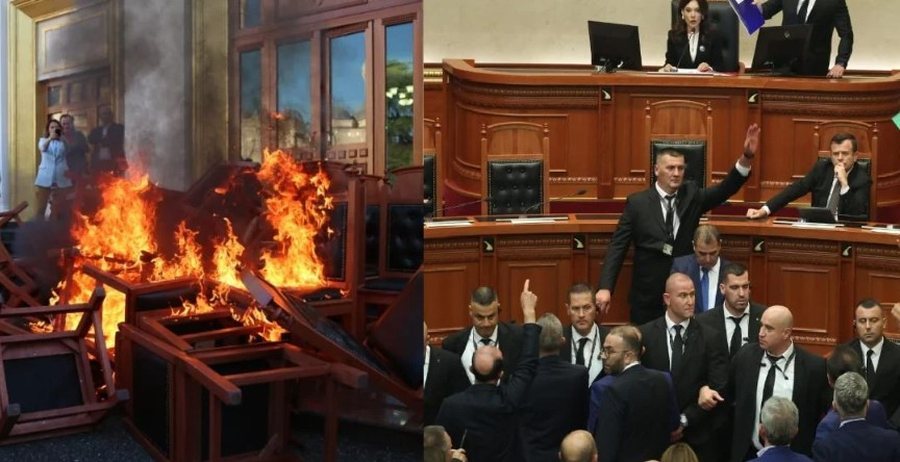
For example, the Democratic Party tried this strategy for several years in a row by leaving mandates, boycotting local elections and with a radical behavior in general. The point is that the costs he incurred will have to be borne for many years to come. Not only PD but Albania in general, creating a super power of Edi Rama.
The arrest of MP Ervin Salianji has once again changed the political course of the Albanian opposition. After a time of peace where important laws were approved in cooperation with the majority, it now seems as if everything has changed and the relationship between the parties will continue to be tense. The Albanian opposition will continue to place at the center of its rhetoric the dismantling of the justice reform and the overthrow of Rama. Because according to her, the government is using justice to destroy the opposition.
Although the case of Salianji is totally different from the case of Sali Berisha. The first was convicted in the context of the political battle and the second is accused of corruption. The first was judged by a panel of normal courts, while Mr. Berisha by SPAK and GjKKO, which are the most reliable justice institutions in the justice system today. And if Mr. Salianji was judged by SPAK and GjKKO, he would most likely not have been convicted. Not because SPAK or GJKKO are sacred, but they are simply normal and professional courts, unlike the rest of the justice system. They are courts where political influence is at low levels, in relation to all other courts which are politically influenced.
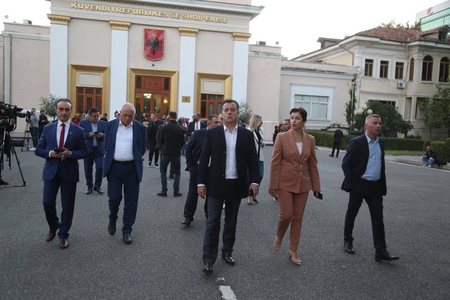
And yet, Salianji's case was expected to be used by the Democratic Party to reignite the war with the justice system. And for this they have declared civil disobedience, which for the sake of the truth is several times they do it.
A political party has the right to choose the means it thinks are most efficient in achieving its goal. In a democracy all means are allowed, even civil disobedience. And the goal is clear, the dismantling of the justice reform and the overthrow of Rama. But in every choice you make, you have to consider the costs and benefits. Whenever a particular strategy is chosen, it must either be followed through or not started at all. Because the damage it brings to a political force is very great if the strategy does not succeed, as it loses the trust that the citizens have in it. For example, the Democratic Party tried this strategy for several years in a row by leaving mandates, boycotting local elections and with a radical behavior in general. The point is that the costs he incurred will have to be borne for many years to come. Not only PD but Albania in general, creating a super power of Edi Rama.
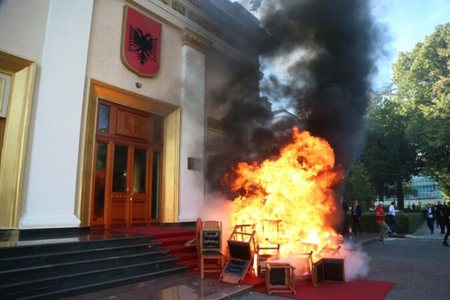
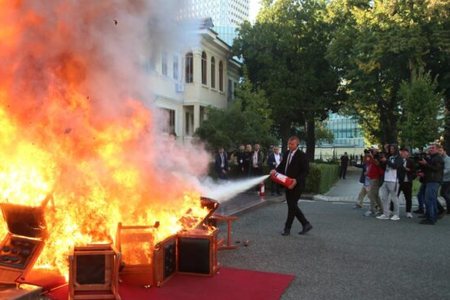
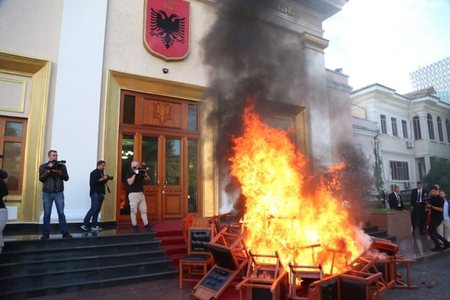
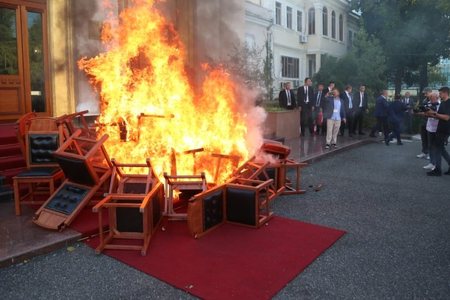
In this sense, the Democratic Party can choose civil disobedience as a strategy, but can it? Can the DP succeed in igniting the civil revolt as they burned the parliament chairs in order to paralyze the political system and change the political conjuncture. If you think you can do it then do it. Otherwise, don't even start it at all, as the costs you will get will be even greater. The fact is that until today it has not managed to do such a thing.
A goal can be achieved with protests or radicalism, but also with other means that can be more efficient. The problem is that the opposition today seems lonely. In the sense that there is nothing to complain about. It cannot address all its claims for the capture of justice and its use against the opposition internationally because it is totally isolated. Albania's international allies, despite the ideas that we are a sovereign country, that we should solve things ourselves, etc., play an important role in achieving political objectives. Two entities are more powerful than Edi Rama. The people and the internationals. You must have one of the two with you. If you don't have any with you, it means that you are on the wrong strategy and on the wrong path.


Lini një Përgjigje