


 Shkruar nga Roland Lami
It is not that they lack selfishness, unwillingness to extend as much as possible the adrenaline of exercising power, the experience of being powerful or feeling important, but they are personal and social mechanisms that make it possible for the leader to understand that he does not belong only to himself or his family but more than that.
The Prime Minister of Canada, Justin Trudeau, has decided to resign from his post as well as the chairman of his party after 10 years of leadership with positive balances both in elections and in governance. However, that hasn't stopped him from revising his position, saying at a press conference that "Canada deserves to have a real choice" for the next election.
"It's clear that if I have to fight internal battles, I cannot be the best choice for Canadians," Trudeau said. As this case we can mention hundreds in countries with consolidated democracies, the last case the President in office Mr. Biden, who referring to the polls and voices inside and outside the party for the presidential elections in America opened the way for another candidate. The polls, the pressure of groups and factions within the government or political formation that he/she pushes them to look at resignation as a mechanism for renewal and regeneration of political life.
It is not that they lack selfishness, unwillingness to extend as much as possible the adrenaline of exercising power, the experience of being powerful or feeling important, but they are personal and social mechanisms that make it possible for the leader to understand that he does not belong only to himself or his family but more than that. Along with the privilege given to him to lead a political formation or government, the leader also has the responsibility to guarantee the success of the political formation and the public opinion that voted for him. It cannot be perceived that the moral and political bill that is addressed to the leader for many reasons should be billed to the government, the institution he leads or the political formation he belongs to. Even more so in cases where he is accused of being charged by law enforcement institutions, where despite the fact that the presumption of innocence is an unwritten postulate, this does not excuse him from the political and moral cost in the eyes of public opinion.
In the Albanian political reality, survey data that show declining or stagnant quotas for important opposition leaders, deepening of factions within the political parties they lead, abandonment of membership or accusations directed at them for active or passive corruption by the prosecuting body are indicators not only do they not serve to repair the possibility of resignation in order not to bill the personal cost to the party he leads, but on the contrary it makes him more aggressive to keep the power by his nails.
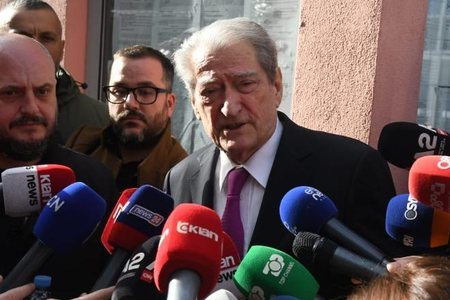
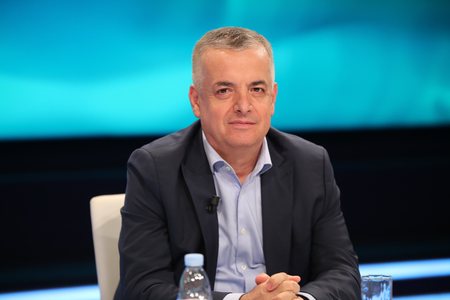
Today we are talking about important political figures such as Mr. Berisha, leader of the Democratic Party, Mr. Meta, leader of the Freedom Party, Mr. Mediu, leader of the Republican Party and Mr. Erion Velia, the mayor of the largest municipality in the country, that of Tirana are under investigation by SPAK. Of course, the fact that they are accused by the prosecution body does not make them guilty as long as there is no final decision, but politically and morally they are a cost for the respective parties.
You cannot have a moral credo as long as you are accused of corruption or abuse of office by the prosecuting body. You cannot be credible when you accuse your political rival when you yourself are accused. You are not taken seriously when, perhaps even rightly, you have reservations or facts about the instrumentalization of the prosecutor's office or the judiciary as long as you are in the dock as you are in a conflict of interest. You can't help but be used by the political opponent on the eve of the campaign to lower the moral credo. You can't help but have the attention of the media, which often diverts you from the political agenda and focuses you on the personal one. You can't avoid channeling the entire opposition strategy into defense, not into an alternative government.
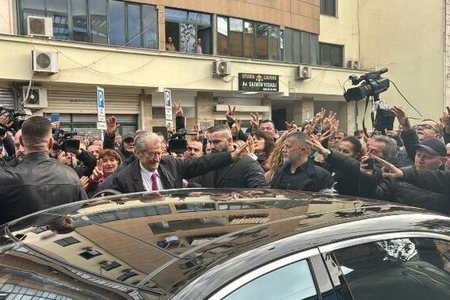
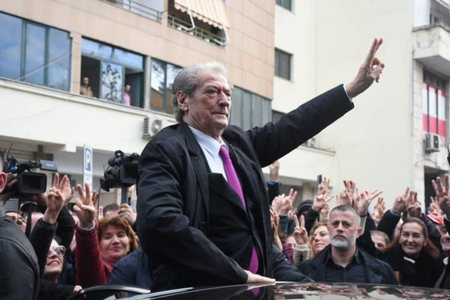
However, this whole circumstance for the above figures does not constitute any problem, on the contrary, it is a "good" opportunity according to them to be in the center of attention of the public space. One more reason to stay in politics since it is easier for you to package the accusation addressed to you as an accusation for political reasons. It is a golden opportunity to line up loyalists around you as a shield for any bad scenario regardless of the political cost it causes to the group or political formation you belong to by violating many parameters of internal democracy. One more motive to consolidate personal power as the deceased psychologically defend against the threat that comes from power and justice. A reason to be more radical in political discourse and behavior by gaining the consent and support of the bastion electorate but losing what is known as the gray electorate.
An unnecessary cost for the person in question and the political entity he leads. Resignation dissipates all this negative energy by giving opportunities to the formation or institution for renewal, the former leader no longer as an institution but as an individual follows the criminal path and acquittal if he is found innocent by justice strengthens him more by giving him a moral credo and political in the eyes of public opinion and the political formation to which he/she belongs. A victory with justice is also a victory in the political career as it comes with an acquired moral creed and not with a discredited moral creed hiding behind the post or direction as a party leader.


Lini një Përgjigje