


 Shkruar nga Skënder Asani
A state that denies its co-founders cannot be integrated into a community built on equality, consensus and the rule of law. The Ohrid Agreement is presented as the fundamental test of the democratic maturity of the state: any attempt to relativize or undo it is a signal of political regression and a strategic alarm for the European Union.
The European integration process of North Macedonia no longer represents a linear journey towards democratic consolidation, but a persistent pattern of deliberate strategic interruptions, where internal structural weaknesses are intertwined with external geopolitical projects to produce a permanent state of provisionality. From the beginning, European integration has not been treated as a transformative project of the constitutional and institutional order, but as an instrument of crisis management and as a currency of exchange in the fragile balances of regional and international power. In this configuration, the state is not reformed, but kept functional only long enough not to disintegrate, while the European perspective becomes a permanent promise, never realized.
The pluralist transition of the 1990s created the illusion of a historical correction, especially for Albanians, who experienced the legalization of political pluralism as the end of structural marginalization. In reality, pluralism remained formal and not substantial. The extreme fragmentation of the Albanian political spectrum, the lack of a clear state-forming doctrine, and the systematic instrumentalization by Macedonian elites reduced Albanian representation to a functional role: a shock absorber of social discontent and a guarantor of minimal stability, but not a transforming factor of the constitutional order. Equality was not conceived as a fundamental principle of the state, but was treated as a temporary political concession, dependent on electoral cycles and the will of the ethnic majority.
Albanian participation in power gradually became a substitute for the reconceptualization of the state. The monoethnic architecture remained intact, while Albanian inclusion was used as institutional decor to demonstrate a formal multiethnicity, without producing real constitutional and institutional equality. This structural deviation set the stage for the subsequent crisis.
The 2001 war and the Ohrid Agreement represent the last historical moment when Albanian statehood was articulated as a clear and inevitable political project. The agreement was not only a mechanism for stopping the conflict, but a fundamental act that forced the state to accept a reality denied for decades: North Macedonia cannot function as a state without Albanians as a co-founding factor. However, this act was treated by the Macedonian elites not as a new social contract, but as a concession imposed by international circumstances, destined to be gradually undone in practice.
The fragmentation of the implementation of the Ohrid Agreement constitutes one of the most sensitive moments in the political and constitutional trajectory of Albanians in North Macedonia, because the process that was supposed to conclude with the institutionalization of equality gradually transformed into a temporary compromise mechanism. The strategic failure appeared at the moment when the political entity emerging from the war failed to consolidate the Ohrid Agreement as an irreversible constitutional norm and as a new foundation of the state order, leaving room for it to be relativized in political and institutional practice. The May 2007 Agreement sealed this historical and institutional regression, shifting the concept of Albanian equality from the sphere of legally guaranteed right to the sphere of the political will of the majority, where collective rights remain conditioned by the conjunctures of power and not by the constitutional architecture of the state. From this moment, the process of Albanian statehood shifted from the logic of advancement to the logic of defense, losing the strategic initiative and simultaneously exposing itself to internal political instrumentalizations and external geopolitical pressures, which produced a new reality in which formal equality remained disconnected from substantial equality and the Ohrid Agreement was reduced from a fundamental document to a negotiable political reference.
This internal weakening became an ideal terrain for geopolitical intervention. The process of European integration was transformed into an instrument of pressure and destabilization, where the obstacles were no longer related to the technical Copenhagen criteria, but to strategic projects aimed at keeping the Western Balkans outside Euro-Atlantic structures. In this context, the Russian strategy to curb EU enlargement found its concrete expression in the displacement of the conflict in the field of history, language and identity through Macedonian-Bulgarian relations.
Hedhja e konfliktit në dimensionin historiko-identitar nuk ishte një zhvillim spontan i marrëdhënieve ndërfqinjësore, por pjesë e një arkitekture të menduar presioni politik që synonte ta zhvendoste procesin e integrimit evropian nga kriteret demokratike dhe institucionale në terrenin e kontesteve historike të pazgjidhshme, duke e transformuar historinë nga fushë studimi në instrument negociues dhe identitetin në monedhë politike. Në këtë kontekst, krijimi i Komisionit të përbashkët historik u paraqit publikisht si mekanizëm dialogu dhe pajtimi, ndërsa në praktikë funksionoi si një strukturë e institucionalizuar bllokimi, e aftë të prodhonte tensione ciklike sa herë që Maqedonia e Veriut afrohej drejt fazave vendimtare të integrimit evropian. Kjo logjikë e “evropianizimit të konfliktit historik” u ndërthur me dobësinë e kohezionit të brendshëm politik, duke e përfshirë gradualisht edhe faktorin shqiptar në një dinamikë që nuk buronte nga interesat e tij historike apo politike. Përfshirja e partisë shqiptare në qeveri në këtë komision nuk mund të lexohet si pjesëmarrje teknike apo neutrale, por si hyrje në një proces të konceptuar për prodhimin e krizave identitare dhe për zvarritjen e integrimit evropian. Në këtë kuadër, përfshirja e faktorëve shqiptarë në komision përbën një kapitull të veçantë të këtij projekti të kamufluar: fillimisht, kërkesa për delegimin e një historiani shqiptar u refuzua një veprim që në retrospektivë shfaqet si politikisht i matur por më vonë, nën presione të ndryshme politike, pranimi për të deleguar një përfaqësues shqiptar e futi faktorin shqiptar në një proces pa kontroll strategjik dhe me përgjegjësi të shpërndara, duke e kapur atë në “karremin” e një mekanizmi që nuk e kishte dizajnuar dhe që nuk e kontrollonte. Pranimi i këtij roli, i shoqëruar me kompensime institucionale simbolike, si drejtimi i diplomacisë shtetërore, e ekspozoi faktorin shqiptar ndaj një rreziku strategjik të dyfishtë: nga njëra anë e vendosi në një proces që nuk lidhej drejtpërdrejt me interesin e tij politik dhe historik, ndërsa nga ana tjetër kontribuoi në ndërtimin e një narrative rajonale problematike, sipas së cilës shqiptarët paraqiten si faktor instrumental në konfliktet identitare dhe si subjekt i gatshëm për kompromis mbi çështje të ndjeshme të kujtesës historike. Në këtë mënyrë, dimensioni historik i kontestit u shndërrua në një mekanizëm presioni politik shumëplanësh, ku integrimi evropian mbeti peng i krizave të prodhuara, i interpretimeve konkurruese të së kaluarës dhe i ekuilibrave të brishtë gjeopolitikë që vazhdojnë ta mbajnë procesin integrues në një gjendje pezullimi strukturor.
Sa herë që Maqedonia e Veriut i afrohej hapjes së negociatave për anëtarësim në Bashkimin Evropian, aq më tepër ashpërsohej retorika e këtij komisioni, duke e shndërruar atë në një pengesë pa rrugëdalje për integrimin. Reagimet tona të vazhdueshme kanë qenë të qarta dhe konsistente: konteksti historik dhe identitar midis Maqedonisë së Veriut dhe Bullgarisë nuk mund dhe nuk duhet të zgjidhet sipas modeleve ruse të shekujve të kaluar, por sipas standardeve evropiane të pajtimit dhe tejkalimit të konflikteve, ashtu siç kanë vepruar Gjermania dhe Franca pas Luftës së Dytë Botërore. Zgjidhja nuk duhej të mbetej peng i një komisioni bilateral, por të transferohej në kornizën evropiane, si pjesë e procesit të integrimit.
Përfshirja e faktorit shqiptar në këtë proces përbën kapitull të veçantë të gabimit strategjik. Pranimi për të qenë pjesë e një mekanizmi të dizajnuar për prodhimin e krizave identitare e futi faktorin shqiptar në një narrativë që nuk e kishte ndërtuar vetë. Kjo krijoi perceptimin publik se shqiptarët janë faktor destabilizues dhe aktorë që ndërhyjnë në identitete që nuk u përkasin. Kjo narrativë u instrumentalizua drejtpërdrejt në zgjedhjet e vitit 2024, duke ushqyer nacionalizmin dhe duke hapur hapësirë për depërtimin e interesave serbe, ruse dhe kineze.
Pas një sërë sugjerimesh dhe ndërhyrjesh përmes shkrimeve dhe analizave publike, ky qëndrim filloi të marrë formë institucionale. Procesi u zhvendos drejt kornizës evropiane, duke hapur rrugën për deblokim, çka solli edhe njohjen dhe konfirmimin e identitetit maqedonas përmes vendimeve dhe votimeve në disa parlamente të shteteve evropiane. Me këtë akt, projekti fillestar rus mori një goditje vendimtare, pasi u zhvesh nga mekanizmi i tij kryesor bllokues.
Edhe pse zhvendosja e procesit në kornizën evropiane i dha goditje projektit fillestar bllokues, ndërhyrjet nuk u ndalën. U aktivizua një projekt rezervë: sulmi frontal ndaj Marrëveshjes së Ohrit, relativizimi i pozitës kushtetuese të shqiptarëve dhe eliminimi politik i subjektit që doli nga ajo. Ky proces u shoqërua me dhunë diskursive, institucionale dhe kushtetuese, duke e reduktuar shqiptarin nga bashkëthemelues (shtetformues) në “problem politik”.
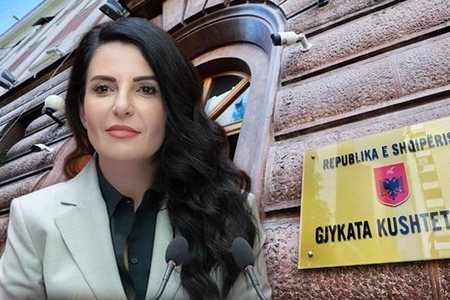
Gjykata Kushtetuese, në këtë fazë të re të zhvillimeve politike dhe institucionale, po shfaqet si një instrument kyç në arkitekturën e një strategjie më të gjerë që prodhon tension të kontrolluar institucional dhe politik. Duke vënë në rend dite çështje që prekin drejtpërdrejt parimin e barazisë kushtetuese dhe themelet e Marrëveshjes së Ohrit, ky institucion është pozicionuar si katalizator i një dinamike që synon të provokojë reagim politik dhe qytetar në komunitetin shqiptar. Ky reagim, i nxitur përmes rikthimit të temave të ndjeshme dhe të konsideruara të mbyllura përfshirë edhe çështje që lidhen me juridiksionin ndërkombëtar dhe rastet e Hagës instrumentalizohet më pas në diskursin politik si dëshmi e “paqëndrueshmërisë së brendshme”, duke krijuar një alibi për ngadalësimin ose bllokimin e procesit të integrimit evropian dhe për justifikimin e regresit demokratik.
Efektet e kësaj qasjeje u reflektuan edhe në ciklet e fundit zgjedhore parlamentare dhe lokale, ku fragmentarizimi dhe deatomizimi i spektrit politik shqiptar prodhuan dobësim të dukshëm të peshës përfaqësuese në vendimmarrjen shtetërore. Në këtë kontekst, ndërveprimi midis instrumentalizimit institucional, polarizimit politik dhe retorikës konfrontuese shfaqet si pjesë e një projekti më të sofistikuar politik, i cili, nën petkun e legalitetit formal, rikonfiguron raportet e brendshme ndëretnike dhe devijon vëmendjen nga standardet demokratike dhe obligimet që burojnë nga perspektiva evropiane e shtetit.
Në këtë kontekst, krijimi i një këshilli mbipartiak shqiptar nuk është manovër politike, por domosdoshmëri strategjike. Vetëm një platformë e përbashkët mund të ndalë procesin e defaktorizimit dhe të rikthejë shqiptarët si faktor shtetformues. Historia ka dëshmuar se shtetformësia shqiptare nuk zhduket me mohime institucionale; ajo reziston dhe prodhon kriza më të thella për vetë shtetin që tenton ta anashkalojë.
Heshtja përballë këtij procesi nuk është maturi diplomatike, por bashkëpërgjegjësi historike. Kjo analizë strategjike nuk është paralajmërim retorik, por alarm strategjik për një shtet që rrezikon të mbetet peng i projekteve gjeopolitike antievropiane dhe i një rendi të brendshëm që prodhon destabilitet permanent.
In conclusion, this strategic analysis argues that the obstruction of North Macedonia’s European integration is not a consequence of technical failures or diplomatic coincidences, but the result of a deliberate combination of internal structural weaknesses and geopolitical projects that aim to keep the state in a permanent state of provisionality. The gradual defactoring of Albanians from a state-forming subject to a manageable political variable constitutes not only a violation of constitutional equality, but also a real blockade of the European path, because a state that denies its co-founders cannot be integrated into a community built on equality, consensus and the rule of law. The Ohrid Agreement is presented as the fundamental test of the state’s democratic maturity: any attempt to relativize or undo it is a signal of political regression and a strategic alarm for the European Union. The message is clear and twofold: for Albanians, strategic unity and the restoration of state-forming awareness are a prerequisite for political survival and historical advancement; For the European integration process, the real and irreversible inclusion of Albanians is not an obstacle, but a fundamental condition for stability, functionality and a European future for North Macedonia. Silence towards this reality does not produce stability, but postpones the crisis in time; while coordinated action today remains the only alternative to avoid a strategic deviation with long-term consequences for the country and the region.





Lini një Përgjigje