


 Shkruar nga Ilir Kalemaj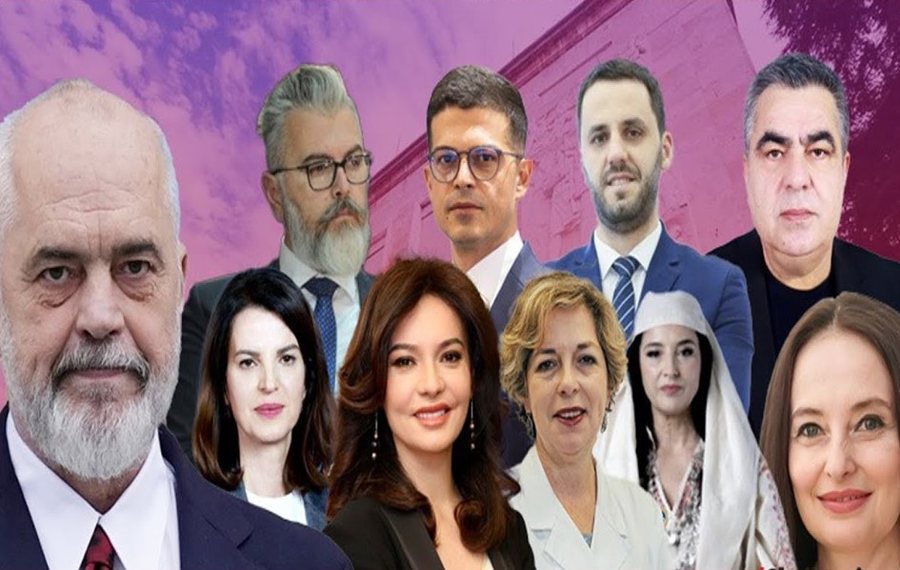
If there is a maxim about political developments in these three decades in Albania, it is that the first four years of government were generally well governed, the second four years generally poorly governed. Only imagination can grasp how the fourth four years could be governed...
As in the cases of awarding OSCAR, BAFTA and similar awards, Rama, as both screenwriter, director, and lead actor, took care to provide a choreography that was intended to confuse expectations, confound opponents, amaze the audience, and capture international attention.
In view of the latter, the appointment of Diella as Minister of Artificial Intelligence achieved the only goal, namely that she received the attention of the international media, as four years ago with the percentage of women in the cabinet or a year ago with the haphazardly thrown idea of the Bektashi state.
Beyond this, there was little innovation, as they were either recycled names, or portfolio holders without any particular merit or prominence, or names that may be inexperienced and remain on the edge of experimentation judging by professional CVs. Any exceptions only reinforce the rule, but what is most important is that those who should have received the main attention of the public debate went off the rails.
Firstly, that Mr. Rama spoke as a monarch in the making and not the head of a temporary executive, talking about constitutional changes such as a new territorial-administrative reform, the reduction of the number of deputies and therefore also of electoral zones, or changes according to the appetite of the electoral code, thus aiming to cement himself in power through a unilateral change of the rules of the game. He also opened the assembly with the de facto dismissal of Veliaj and the confirmation of his successor, while only a few days earlier he had caused the resignation of Dredha in Vlora or the mayors of Mati, Berat and most recently Cërrik, without mentioning the forced mass resignations of municipal staff in complete contradiction with the principle of decentralization and the Charter of Local Autonomy. By quickly pushing Tirana into elections alongside other municipalities that are provoking early elections, it aims to re-devour every alternative pole of power by exploiting every mechanism, including extralegal ones, such as the use of local and central administrations as vote collection centers, influence peddling, the use of criminal groups, etc.
However, the Rama 4 government faces significant challenges and complications that will make life very difficult despite the post-electoral enthusiasm of its most emotional supporters. Let us briefly list some of them. First, it will face a strong opposition in conviction, although not in numbers, which seems to have decided to use the parliamentary hall, international denunciations, public debate, etc., combined with protests and other extra-institutional forms that will make life very difficult for the current majority, which has both the pan and the wheel for the second time all to itself.
Regardless of how things look today, the expected local elections in at least six municipalities are expected to bring a balance in the division of local power, which we like or not, in a neo-patrimonial system like the Albanian case, which generates considerable rent that is put to the function of maximizing the resources of the political parties that control them. At least the expectation that some of these municipalities that are currently controlled by the ruling party will change sides due to the oppression that is growing without stopping.
Secondly, it has been said and said that campaigning is poetry and governance is prose, but Rama seems to be campaigning throughout the entire governing cycle. Something that will make his fourth term difficult. Many unfulfilled promises over 12 years, the erosion of power consumption, twenty-six uninterrupted years in active politics that make it difficult to reinvent himself several times, the extraordinary consumption in relation to internationals, where it is worth mentioning the criticism and criticism from European media such as French or German, are all costs that greatly diminish the political charm but also highlight the difficulties that the Rama government will have during this term, where the main bet has been the integration of Albania into the EU. A bet that despite the new geopolitical contours and favorable winds due to the pro-enlargement spirit from Brussels, is far from a guarantee, at least during this term, which at best will end in 2029. It is understandable if there are no major scandals, international storms that could resonate with strong local protests similar to those in Serbia or the imposition of a caretaker government and early elections.
Së treti, pavarësisht asfaltit elektoral, punësimeve elektorale në administratën publike, ndarjes së rentës publike në prag fushate, ppp-të korruptive të dhëna oligarkëve të caktuar, burimet janë të fundme, deficiti është thelluar, borxhi në status kuo, rritja ekonomike është ngadalësuar, varfëria në rritje konstante dhe polarizimi është thelluar. Të gjitha këto do të çojnë në mënyrë të paevitueshme në rritje taksash dhe barre fiskale e cila do shënjojë paevitueshmërisht shtresën e mesme e cila është jashtëzakonisht vulnerabël dhe kështu siç është. Për të parashikuar ç’mund të ndodhë me këtë skenar, mjaft të sjellim ndërmend skenarin kolumbian që po ndodh ditët e fundit. Nepali së fundmiështë në flakë pikërisht për shkak të ngritjes së taksave për shtresën e mesme atje nga qeveria aktuale, korrupsionit të shumëpërhapur dhe asaj që i hodhi kripë plagës apo benzinë zjarrit dhe që ishte edhe ndalimi i rrjeteve sociale ku qytetarët shprehnin pakënaqësitë.
Së katërti, nëse ka nja maksimë për zhvillimet politike në këto tre dekada në Shqipëri është se katër vitet e para të qeverisjes është qeverisur përgjithësisht mirë, katër vitet e dyta përgjithësisht keq. Vetëm imagjinata mund të rrokë si mund të qeveriset katër vitet e katërta pas një mandati të tretë nga i cili mbahen mend kryesisht akuzat për korrupsion ndaj anëtarëve të kabinetit apo kryebashkiakëve, skandalet e shumta dhe dajret e inaugurimeve të rrugëve të lëna rruge dhe me kosto faraonike.
Siç do thoshte kryeministri si mjeshtër i batutave në kësi rastesh, me gjasa kolltukofagët do të vazhdojnë të majmen ndërsa populli do të marrë noc rrokun. Veçanërisht ajo shtresa më vulnerabël, me pensionet më mizerabël në Europë dhe që vazhdojnë me kokëfortësi stoike të hedhin votën “plumb për armikun” me një arsye të munguar të shkaktuar nga dekada të tëra trushpëlarje përgjatë një nga regjimet më totalitare që ka njohur Europa dhe më gjerë.
Ndër faktorët e tjerë që mund të jenë pengues për një mandat të katërt të suksesshëm janë konsumi i mëtejshëm dhe i paevitueshëm që sjell përqendrimi i pushteteve në një dorë, pakënaqësitë e brendshme që do të fillojnë gradualisht të ngrenë kryet, mungesa e aftësisë për t’u hapur ndaj shoqërisë civile, mendimit akademik dhe shtresës së talentuar të teknokratëve, duke qenë më tepër se ç’duhet partiakë në selektimet e kuadrit, gjë që do të sjellë dhe një gërryerje të legjitimitetit dhe mungesë të politikave publike efektive. Përzgjedhjet e fundit të kabinetit janë një konfirmim më shumë i kësaj logjike që edhe kur flitet për dikë të ri në qeveri, i ri apo e re ishte vetëm mosha, por mungonte ekspertiza, rezymeja, përputhshmëria e kandidatit me postin etj.
On the other hand, the loss of rhythm, the lack of vision, the intrigues of the (prime minister's) palace, the inability to address the acute problems that the country has such as the demographic trend and the aging of the population, the brain drain and emigration without return, the emptying of most of Albania by focusing on the Tirana-Durres axis, healthcare without prospects and education in the ranks, the justice system that does not give room for any optimism and the hybrid democracy that is sliding into competitive authoritarianism, convey a gloomy landscape for the near future. Also, the lack of control and balance between powers brings a cost not so much for the ruling class in the country, but for society in general, which has lost an instrument of control and accountability that would help strengthen the rule of law and democracy.


Lini një Përgjigje