


 Shkruar nga Ben Andoni
But why is the language of hatred between Kosovo and Serbia becoming so severe? Why are Kosovo's closest allies calling for caution and prudence?
Serbia's ambassador to the US, Marko Djuric, has used an expression of Lincoln to show the latest case of alarm in North Macedonia for the assassination of Prime Minister Kurti. Abraham Lincoln once said that: "You can lie to a small group of people for a while, some people for a long time, but you can't lie to all the people, all the time."
In a more protocol aspect, Kurti's North Macedonian hosts, through Angellovski, the spokesperson of the Ministry of Internal Affairs of North Macedonia, denied that there was any assassination attempt against the Kosovar Prime Minister. Kurt's own justification left this unclear, but our region is insecure, this is no longer new news.
But why is the language of hatred between Kosovo and Serbia becoming so severe? Why are Kosovo's closest allies calling for caution and prudence? The heated debate on Thursday evening between the prime minister of Kosovo, Albin Kurti, and the president of Serbia, Aleksandër Vucic, at the meeting of the UN Security Council regarding the banning of the Serbian dinar in Kosovo, revealed many elements. Above all, the fact that the Ohrid Agreement, which is still being discussed and mediated by the European Union and with the understanding of the USA, is not only not being respected, but the parties are undoing it with their attitudes and actions.
However, the terrorist attack in Banjska turned the attention temporarily from the concerns of Kosovo, the austerity measures on it were not only not removed, but on Serbia, apart from the appeals of some officials, almost no thorn has entered its leg. Paradoxically, Serbia was admitted years ago to be the cause of problems in Kosovo, not simply with the systematic unrest in the north, but also with many provocations. In one of them, when the nationalist train that would come to Kosovo was initiated, Marko Djuric, at that time, the head of the office for Kosovo, would be dragged away by the Kosovar authorities.
Meanwhile, Prime Minister Kurti, through his Executive, has been surprised by his acts, not a few times, regarding the number plates, the placement of the presidents in the North and the identity cards, and finally with the quick decision on the dinar. For the sake of the truth, Kurti respects and strives for the sovereignty of the new Republic, which he leads, however, articulated suddenly and with nationalist cards, he has tired the dialogue even more, where Serbia for its part contributes terribly to undoing it. Consequences, in the Security Council, a few hours ago Kosovo was called for caution.
Are all kinds of incidents and problems increasing? Yes. Serbia is getting close with its military machine, near the border with Kosovo. KFOR is increasing its presence and warnings for the Serbian side. Kosovo is being shown apart from the limitations and others, which are waiting in line. Serbia is in chaos in the Legislature, while the European Parliament also approved a resolution on its very problematic elections, against which only the representatives of the extreme Right voted. Meanwhile, Kurti is being labeled as taking over all independent institutions and is on the path of a real autocrat.
It is already understandable that the divisions are not only large, but also seem to be avoided by the Kurti-Vučič tandem. Kurti openly accused him in New York and in fact he gives this right above all to Banjska and the Serbian own goal with the Day of Mourning for the killed paramilitaries that "he must stop financing criminals and terrorists in Kosovo". It is understood that Vucic responded with the usual alarm that: "the life of Serbs in Kosovo is becoming impossible". These words make you understand that the parties have retreated far behind and are already projecting their problem in the region. The attempted assassination of Kurti, the Vucic-Rama clashes and cooling off, the situation in North Macedonia, show that dark days are coming for the region.
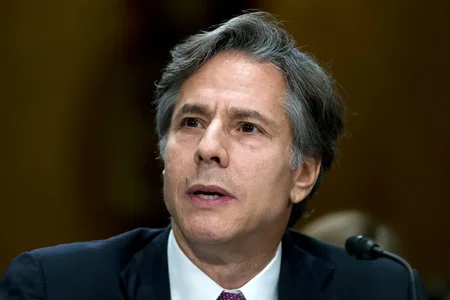
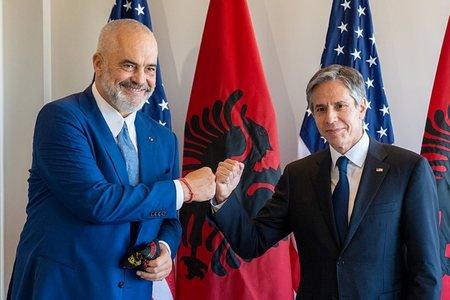
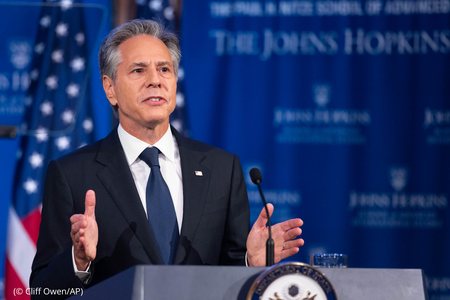
Will Kosovo be able to get the best? A few days later, Secretary Blinken will most likely give advice taken in Tirana, but also projections for which Pristina and Tirana should be careful about their future. We are in the most difficult months, the ones we expect, from the changes or not of the US course in the region and beyond, after the US presidential elections. We can save a few things and deal with our countries a little more because Lincoln's words are true, but it sounds funny in Djuric's mouth.



Lini një Përgjigje