


 Shkruar nga Beti Njuma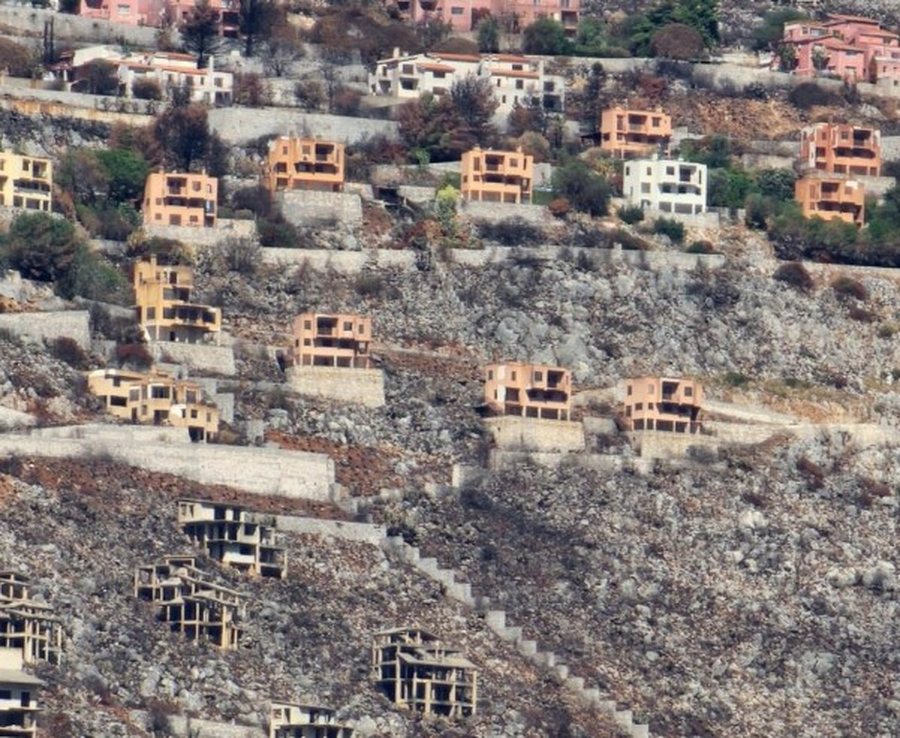
In Italy, a country with a consolidated justice system, a final court decision has not been implemented for almost half a century, even though the mafia was involved! Citizens come before the mafia.
Two years ago I had the opportunity to visit the Mondello area in Palermo, Sicily. It is one of the most enchanting bays in southern Italy with Mediterranean beauty, crystal clear sea and white sand like Caribbean beaches. As I approached the tourist area, I couldn't help but notice, from miles away, the hill above the beach and the hundreds of villas spread like ghosts across its entire surface, as can be seen in the photos I took.
The scattered villas tell a dark story. Pizzo Sella, popularly known as the "Hill of Shame," is the most brutal symbol of the mafia's entanglement with state corruption and the failure of Italian justice in the face of crime, including environmental crime.
The story begins in 1978, when the construction company run by Rosa Greco, sister of mafia boss Michele Greco, begins building 170 villas without proper planning permission. Behind them was hidden not only dirty money, but also an entire clientelist system that included the Palermo municipality and segments of the justice system.
Pizzo Sella became the place where the mafia "laundered" criminal money, while the authorities turned a blind eye or took their share.
In 2001, the Italian Supreme Court ordered the confiscation, demolition, and return of the area to its previous natural state, a decision that was enthusiastically welcomed by activists and citizens of Palermo who saw, finally, some justice!
But the decision remained on paper. No villas were demolished. Even worse, in 2010, some of the buildings were returned to private owners, after the court deemed them legitimate buyers who were unaware that they had purchased properties built by the mafia.
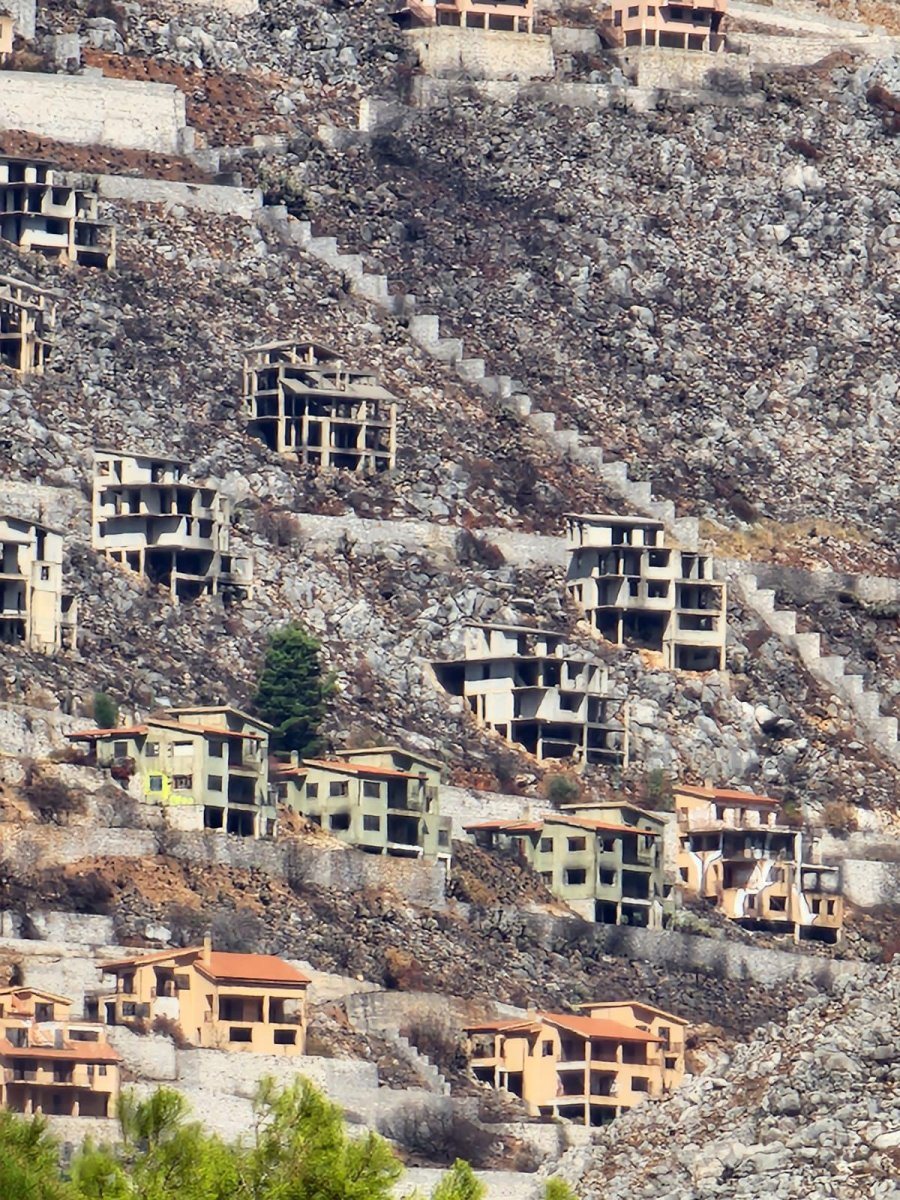
Even today, after almost half a century, 1 million square meters of abusive concrete continue to occupy the Pizzo Sella hill, and the government does not dare to demolish them, even though they are illegal. And uninhabited for the most part. Only 68 of them have residents.
I mentioned the case of Mondello to draw a parallel with Theth and the demolition of 100 illegal buildings, inspired by Prime Minister Rama's promise that Thethians would invest and that their fines would be forgiven:
"...the problem is related to constructions carried out on the respective properties outside the deadline allowed by the existing law on legalizations. Of course, we will work to find a special solution for all those who are in this situation, where the inability to obtain permits has been objective," said Prime Minister Rama, as he sought votes, assuring those who welcomed him at home.
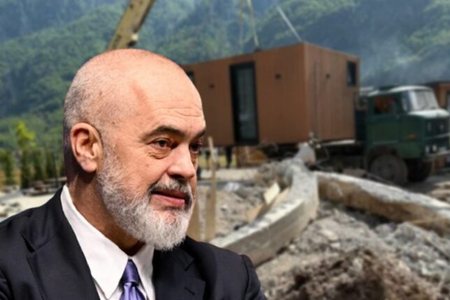
In the heart of Theth, protected as a national park, 100 apartments considered abusive were demolished within 72 hours, only on the verbal order of Prime Minister Rama. Without a court decision, without a deadline for appeal and without any legal guarantees for the owners. The Prime Minister's words alone were enough to set in motion the demolition teams that leveled everything.
The contrast is brutal!
In Italy, a country with a consolidated justice system, a final court decision has not been implemented for almost half a century, even though the mafia was involved! Citizens come before the mafia.
A few days ago I made a status when I saw what had been built next to the church. I rightly called it Talibanism when I saw how the natural landscape had been destroyed. I have been there hundreds of times and that destruction seemed brutal to me. That stupidity of building silos on the lawn of a cultural monument and historical testimony that have nothing to do with the area and the mountain architecture does not happen anywhere in the world. I had no idea what had been done in Theth and the 100 unauthorized buildings that were demolished. Nor of the promises that the "babazoti" had made! I feel sorry for the toil and sweat of the residents who today see everything ruined.
In Albania, one word from the prime minister is enough to level 100 buildings.
The ruthless and swift "prime ministerial" justice (even selective if you like, because it does not act the same way with abusive constructions in Tirana, Dhërmi or Jalë), and the institutionalized, yet humane and restrained Italian justice!




Lini një Përgjigje