


 Shkruar nga Ben Andoni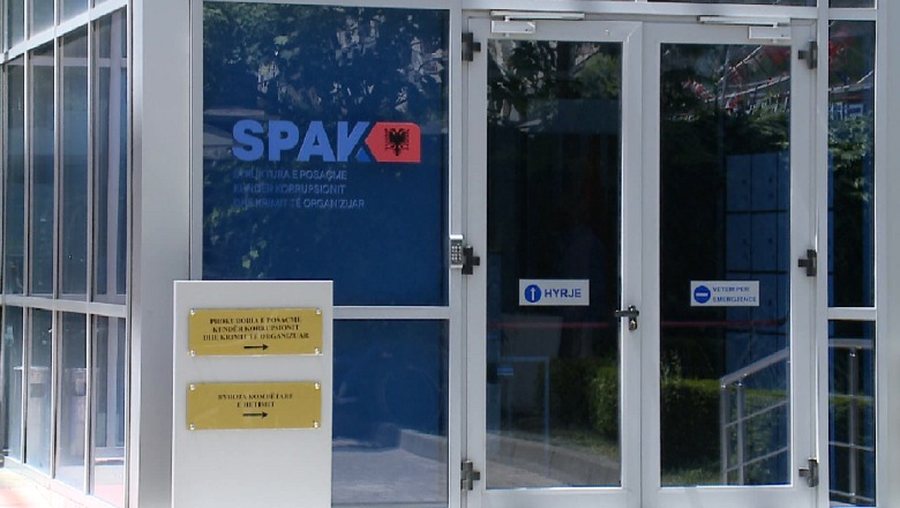
The SPAK crackdowns of recent years and the seizures of large sums of money are just a window where we see the extreme inequality in the country materialize.
Albania is a country where inequality hits you at every moment and touches you everywhere. The recent SPAK crackdowns and the confiscations of large sums of money are just a window through which we see the extreme inequality in the country materialized. The frightening wealth of criminals (most of it coming from nowhere) and officials, which cannot be justified by age, salaries, benefits, state tax, or work or intellectual level, confronts us every day. Seeking equality of opportunity in Albania is as paradoxical as what happened to a few individuals from the wealthy classes who sought understanding from the post-World War II communist regime.
The directorocracy that the prime minister hit with an introduction alla Rama was one aspect of where irresponsibility reaches today, but also the staggering irresponsibility and wealth of the administration officers. Added to this is the false luxury of show girls and people and every other kind of turbo that shows us inequality in another aspect, where crime lives on deceit, the fake appearance in the media and the supposed wealth of the girls who meet us on the road every day in the capital with supercars.
The latter is the dirtiest model (also inflated by colleagues), when you consider the corruption of Albanian society and the great sacrifice of entire generations of Albanians for some kind of equality and democracy. In fact, the researcher Piketty admits that it is a long road to establishing equality, but while in countries where capital is the god it requires great emancipatory actions from the government and continuous efforts from below from the people, in our country anarchy and the lack of any kind of morality and the lack of commitments are triumphing. Injustice is everywhere. Equality is nowhere.
"The search for ideal democracy, which is nothing more than a trend towards political equality, a trend towards equality in all its forms (social, economic, educational, cultural, political) is a still ongoing and unfinished process," writes Thomas Piketty in "A Brief History of Equality."
The concern for the country we live in is related to the way wealth is being distributed, but even though the lives of ordinary people and the middle class are becoming so difficult. So mass emigration is only one aspect, while general apathy and loss of hope make one of the most vital and formerly youthful nations like Albania now completely bow down in pain. Economists place the essence in the fiscal system, politicians in reforms against informality and aid for tourism and infrastructure, which are disappointing every year. For the latter, the reality of going to Shkodra is enough to understand the paradoxes, but Rama and his followers continue with the European dream of 2030, while the opposition has already surrendered even in the narrative. You find the cynicism of surrender in its deputies in the new parliament who express it openly, even with a miserable syntax of the streets.
Paradoxically, the economy grows while inequality does too. Statisticians know well that GDP is not an absolute indicator of development. The latest data from Eurostat raise even more alarm: Albania ranks first in Europe for the percentage of the population at risk of poverty and deep social exclusion. About 42% of the Albanian population (reference year 2023), "almost over 1 million citizens live in conditions of severe poverty, unable to afford at least 7 out of 13 indicators of economic and social deprivation, such as rent or loan payments, minimum annual vacations, basic food, heating, or replacing old furniture", reports Altax.al. In the same assessment, the situation is extremely difficult for us compared to other countries in the Balkans: Montenegro (34.1%), North Macedonia (32.6%), Serbia (30%) – figures that show that Albania urgently needs a radical rethinking of economic and fiscal policies. Also, the country needs sustainable development and not like today with pronounced inequality, lack of reforms and a fiscal system that distributes unfairly, experts believe. The latter emphasize that: our country remains a significant example of a fiscal system that, instead of mitigating inequalities, often reinforces them. Referring to the report "Tax Burden in Albania and the Western Balkans 2024", our country has one of the most regressive taxation structures in the region, with a modest impact on reducing inequality and poverty. Added to this is informality in everything and uncertainty in the labor market.
Të mendosh se edhe në institucione shtetërore, punonjësi nuk merr pagesat siç duhet (Referimet për Air Albania mes të tjerave) konform kontratave, atëherë kupton se pabarazia në Shqipëri është tashmë një normalitet. Dhe, kësaj i bashkohet kaosi sesi po menaxhohet vendi ynë ose mungesa e prioriteteve: Nuk merr fund problemi i ujit të pijshëm në vend, që me ngrohjen globale do përcjellë edhe më shumë vështirësi për popullatën, veçanërisht atë të varfrën. Betonizimi i madh i kryeqytetit dhe i disa qyteteve kryesore po zhduk çdo individualitet të Tiranës and & co kurse zvogëlimi i hapësirave të gjelbra po manifestohet në shëndetin e jetës së përditshme; kanalizimet dhe përpunimi biologjik i ujërave të zeza mbeten më shumë se shqetësim; ndotja e ajrit në Tiranë dhe qytetet kryesore ka kuota alarmante; kurse ndotja akustike në Tiranë ka kapur nivele të paimagjinueshme, madje edhe në orët e shenjta të prehjes biologjike (natën se dreka nuk llogaritet më); shtojmë mbrojtjen e lumenjve nga inertet dhe derdhjen e tyre në Adriatik; e shtuar edhe akset kryesore të vendit të amortizuara frikshëm…
Të gjitha (ka edhe më) si faktorë peshojnë në këtë pabarazi të madhe.
Pabarazia e të ardhurave në vendet e Evropës Lindore është kudo e dukshme, por ndryshon me vende si Shqipëria dhe Kosova që e përjetojnë këtë në nivele më të larta se të tjerat. Starti demokratik pas komunizmit nuk ishte i njëllojtë, kurse kudo u pa një rritje e pabarazisë së të ardhurave ndërsa ekonomitë e tregut u zhvilluan. Qeverisja e atëhershme e PD-së ka lënë ende pasoja që qeverisjet socialiste i shumëfishuan. Ndërkohë është e habitshme se vende me elita politike shoqërore, që kanë treguar probleme, siç është rasti i Bullgarisë dhe Rumanisë kanë pabarazi më të lartë, krahasuar me vende të tjera më të kujdesshme si Sllovakia dhe Çekia, të cilat ruajnë nivele relativisht më të ulëta pabarazie. Literatura rreshton një sërë faktorësh të tillë si: zhvillimi ekonomik, globalizimi dhe forca e shteteve të mirëqenies sociale që ndikojnë në këto trende.
In the whole circle, the way our political and social elite is behaving remains worrying, where for 35 years it behaved very badly with the redistribution of property, a complex process influenced by the historical moment, political maneuvers, which have left many of the real owners with their finger in their mouth. The consequences thousands of deaths. Meanwhile, a number of our so-called elites exploited the ambiguities and legal loopholes to protect their existing assets or to acquire new ones during privatization, often at the expense of broader social benefits. We have seen before our eyes how strategic maneuvers and political influence often led to corruption and nepotism, where many of the "elites" benefited significantly at the expense of the public. Meanwhile, Albania still continues to have problems with property registration, claims of land overlap and inconsistencies between land databases. But the solution is often complicated, and the legacy of this resistance of today's elite continues to shape the socio-economic landscape of the region, in a trend that is also found in the literature for other Balkan countries. Political Albania (and for less than 20 years Kosovo as well) must leave the empty arguments of politicians and move towards equality, but for this it needs a welfare state and progressive taxation, precisely the things that the political class "acts as if it doesn't know".
Meanwhile, it should be a little more careful with the supposedly rich, who are ending up in SPAK and especially the indifference towards equality. What shows us a class ruthless towards the other two classes and the resistance of a supposedly elite that has stuck everything in place. (Homo Albanicus)






Lini një Përgjigje