


 Shkruar nga Mero Baze
It is clear that there is a clan within the judiciary that feels insecure and seeks silence on their decision-making, but this is a banality that should not only not be proposed, but also be denied that it was proposed, in order to appear serious and worthy of debate...
The need for a new Criminal Code has aroused public interest due to the many problems that the justice reform has brought to the surface, as well as the exercise of justice in 35 years of pluralism after the dictatorship.
The new Penal Code of Albania after the dictatorship, of course, radically changed the way justice dealt with serious criminal offenses, especially in the circumstances when Albania was forced to remove the death penalty from the Penal Code due to our membership in the Council of Europe in the mid-1990s.
The culture of society also changed a lot in relation to the accusation, seeing it as separate from the trial. During the communist era, this rarely happened. The accusation was also a court decision.
The Justice Reform attempted to increase the severity of other criminal offenses such as drug trafficking or organized crime, unknown during the communist era, or corruption of high-ranking officials.
But now we notice that the infrastructure of the Justice reform, which in a way demolished the old justice building in Albania, stands on shaky foundations.
The precariousness of its foundations is felt in the scarce human resources to complement a bloated and bureaucratic infrastructure, as well as a dangerous lack of balance between the power of justice and its accountability.
Above all, the new reform, instead of standardizing justice, has created such a wide variety of "standards" according to the wishes of prosecutors and judges that today we find it impossible to separate error from crime and guilt from responsibility.
But one of the most serious things is the return of reminiscences of communism, especially the freedom that the prosecution has to wiretap the courts as a sign of pressure to return once again to the time of communism when the pretense was almost the same as the court's decision.
Likewise, a series of new phenomena of governance in a democracy, especially the measure called "abuse of office", has replaced in our prosecutors the article of agitation-propaganda, where you can be punished even without saying anything.
The need for abuse of office to be defined accurately and even precisely, and not to become a trap for failed prosecutors and judges, and why not thieves, is urgent.
Its decriminalization would also ease the intimidation of low-ranking officials, and we would not be in a situation where they are now ready to quit their jobs if they are presented with a document they have to sign, even for their generals.
Pra, ndryshimi i Kodit Penal duhet të rishikojë kodin ekzistues duke shtuar fenomenet e reja të krimit të organizuar, korrupsionit dhe trafikut të drogës në mënyrë më të ashpër, por nga ana tjetër duhet të korrigjojë edhe arrogancën dhe represionin e një pushteti të ri të pakufijshëm që ka dalë nga Reforma në Drejtësi.
Sikur të mos mjaftonte kjo, pashë se Ministria e Drejtësisë, ka propozuar nenin 536 mbi “Ndikimin në pavarësinë e gjykatës”, ku sipas propozuesve thuhet:
“Bërja apo publikimi i komenteve me anë të të cilave synohet haptazi të ushtrohet ndikim në aftësinë e gjykatës për të marrë vendimet, nëpërmjet krijimit të rrethanave shtypëse ndaj pavarësisë së saj, shtrembërimit të qëllimshëm të cilësisë së provave apo paraqitjes së tyre në kundërshtim me përmbajtjen e vërtetë, imponimit për të krijuar pabesueshmërinë në publik të aftësisë së gjykatës për të qenë e pavarur, të kryera për çdo interes apo përfitim, për të dëmtuar apo favorizuar persona të veçantë, e kryer përpara dhënies së një vendimi gjyqësor, dënohet me gjobë ose me burgim deri në tre vjet.”
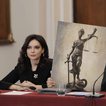
Nëse këtë e kanë seriozisht, nuk kanë nevojë të bëjnë Kod të ri Penal. Këtë nen e ka Kodi i vjetër penal i komunizmit, mos gaboj ka qenë neni 55, që të dënonte për agjitacion e propagandë. S’kanë pse lodhen me formula të reja amatore që fshehin pasigurinë e atyre që qeverisin sistemin e drejtësisë nga opinioni publik.
Pra, në një farë mënyre, gjyqtarët dhe prokurorët e këtij vendi duan që të mos ua diskutojë më njeri as me fjalë ato që bëjnë, e jo më me kufizime administrative.
Nuk di kush ka qenë iniciatori i këtij neni, por nëse ata që e kanë propozuar kanë parasysh se mund ta përdorin si argument Sali Berishën dhe gjuhën e tij kundër drejtësisë, janë thjesht duke i bërë nder Sali Berishës të vdesë si hero i fjalës së lirë dhe jo si i korruptuar.
Për më tepër, nëse e ka bërë Ulsiu, duhet të jemi aq seriozë sa të mos shqetësohemi, se ai nuk e ka as për Berishën. Ai thjesht mendon se ka arritur në një moshë që tani kontribuar për drejtësinë, meqenëse ka lënë mjekër.
Në të vërtetë, është e qartë që është një klan brenda drejtësisë që ndjehet i pasigurt dhe kërkon mbyllje goje ndaj vendimmarrjes së tyre, por ky është një banalitet që duhet jo vetëm të mos propozohet, por edhe të mohohet që është propozuar, për t’u dukur seriozë dhe që meritojnë debat.
Mendoni çfarë i bën Trumpit ky nen sikur të zbatohet në SHBA. Se shikon më dritën e diellit. Por droja më e madhe që kam është se propozuesi tinzar kërkon të zbatojë ndryshimet në Kodin Penal, duke futur malignitete të tilla. Njësoj siç bëjnë dhjetë vjet rresht me ligjin e shtypit: bëjnë sikur duan ta bëjnë me standarde evropiane dhe fusin aty një nen që, për të të mbyllur gazetën, e ka në dorë një nëpunëse qeverie dhe ligji s’bëhet kurrë
Overall, the new Penal Code of Albania should strengthen the penalties for serious crimes and not soften them, as well as soften and remove from criminal offenses administrative offenses and criminal offenses that are accidental in the life of a citizen, to free the administration and put an end to the abnormality that has been created by the unprofessional repression of zealots emerging from the New Justice Reform.







Lini një Përgjigje