


 Shkruar nga Lucio Caracciolo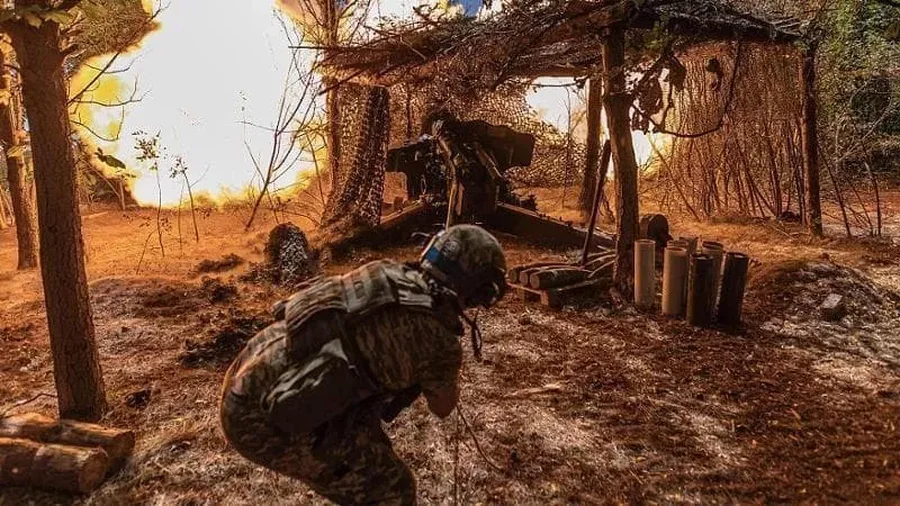
Only one thing is certain: peace and war are not eternal...
Peace is a good in itself: there is never enough of it. But sometimes we have enough. This seems to be happening to us Europeans today, drugged by eighty years without war. We wonder if it is not too much. If the privilege we enjoy like no other generation before is about to expire. It must expire. When in doubt, take up arms.
Terrifying rearmament. An ominous echo in European chancelleries weary of peace. How to be at war without being there yet. The great oppression risks exploding again in our hands because we no longer know what it is. Because we prefer not to know.
History teaches us that peace and war have always followed each other, cyclically. But we discover the duration of the cycles in retrospect, each from our own perspective, inscribed in the shared logic of the community to which we belong. Only one thing is certain: peace and war are not eternal.
The dirty peace that is not spoken about is the opposite of the just peace that is debated by official rhetoric and their unofficial megaphones, without explaining what it consists of. It is the peace produced by compromise. An alternative to the surrender imposed by the victor or to endless slaughter. It is the awareness that wars can and must end for the good of those who survive, so that the sacrifices of the dead can serve the living.
A just peace is an oxymoron. If it is a peace, it cannot be just except in the sense of the victor, in the sense that the vanquished accept the end of hostilities to mitigate the consequences.
History is always in motion, between conflicts and ceasefires. No one can assert themselves without others reacting, nor retreat without others advancing. Wars and peace describe a continuum in which actors carry with them the entire line of their lives, which meets and collides with that of others. It is not necessary in the army. Sanctions and counter-sanctions, cyberattacks and mass brainwashing produce effects as deadly as gunfire over time. The endless search for a just peace means permanent war. With no other goal than itself. There is always too much of it.
Without peace, or a truce, there is no justice. As long as there is fighting, force prevails. To tame it, compromises are needed. Uncertain, ambiguous, even disgusting. Yet, peaceful life. Perfect, unlike death.
In a world filled with apocalypse, the alternative to war is dirty peace. In both senses.
In the first sense, it indicates the silence of weapons on the verge of total destruction, structured neither to compete for availability nor to sacrifice "inalienable" principles to avoid war altogether. The second sense reminds us that peace requires maintenance. You have to get your hands dirty. To choose between the lesser of evils. To smooth out the friction between opposing interests and impulses.
What matters is setting a course that avoids merging the "parts of the world war" evoked by Pope Francis into a single, total and definitive one./ Adapted from "Pamphlet" by "La Republica"


Lini një Përgjigje