


 Shkruar nga Pamfleti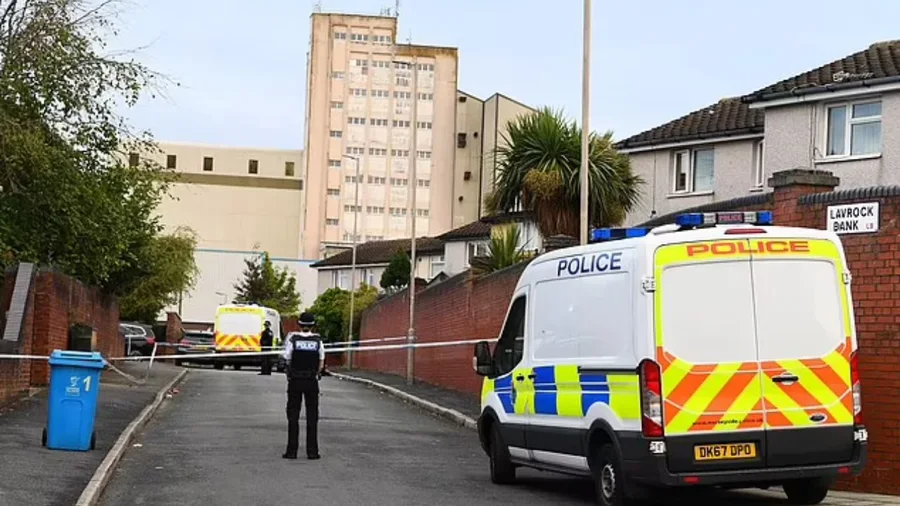
Albanian gangs are now recognised by police as dominating the UK drug market, undercutting their rivals with lower prices, not to mention deadly violence.
Crime bosses from the Balkan state are said to have exploited direct links with Colombian cartels to secure cocaine at the best price, giving them the opportunity to gain the cooperation of British gangs with the promise of higher profits.
But while this model has seen a new generation of criminals take control of organised crime groups in big cities such as London and Birmingham, this is not true everywhere, says the Daily Mail.
Liverpool stands out as one of the few areas where Albanians cannot operate, experts say, as the drug trade remains in the hands of local criminals, often with strong ties to the communities they terrorize.
This was illustrated by the recent conviction of young Liverpool couple Eddie Burton, 23, and Sian Banks, 25, for running a £20m drug smuggling operation which brought hundreds of kilograms of heroin, cocaine and ketamine hidden in lorries from Europe to the UK.
The pair will be sentenced next week after their network was dismantled by National Crime Agency officers following Burton's arrest by Spanish police at the Pacha club in Ibiza in August 2023.
Another gang, based in Wirral, was jailed for a total of 44 years at the end of January for using the Royal Mail postal service to send £2.7m of ecstasy, cocaine, hallucinogenic mushrooms, LSD and ketamine across the country. The group stored the drugs in a warehouse in Birkenhead, before sending the orders from a post office inside a local shop.
Outside Merseyside, the growing dominance of Albanian gangs has been identified in a number of official studies, including a 2023 UN report, which found that gangs from this country now 'exert considerable control' over the UK drug market.
Last year, an internal legal document from the British Home Office described Albanian criminal gangs as a threat to the United Kingdom and 'very prevalent in serious and organised crime' in Britain, including several murders.
It is thought this includes the murder of Rhys Thompson, 29, a young father who was kidnapped and beaten to death in a conflict linked to a failed attempt to 'tax' a cannabis farm believed to have been run by an Albanian gang.
He was found dead with duct tape wrapped around his neck in West Yorkshire on the morning of May 13, 2021. No one has ever been charged with his murder.
National Crime Agency research has shown that Albanian organised crime groups control the cocaine market in major cities and suburban areas of the UK (with the exception of Merseyside). But the NCA says these gangsters are increasingly specialising in cannabis, which is considered a 'very low risk' market.
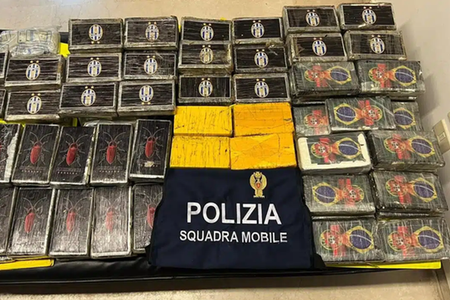
In 2023, the agency and 43 police forces in England and Wales targeted 'Western Balkans' gangs, seizing nearly 200,000 cannabis plants worth up to £130 million, £636,000 in cash, 26 kilograms of cocaine worth up to £1 million and 20 firearms.
So, with Albanian crime bosses increasingly tightening their grip on much of the United Kingdom, why have they been unable to establish their presence in Liverpool?
Experts cite several reasons, including the traditional strong control by local gangsters like Curtis Warren and the Huyton group over illegal shipments passing through the city's port.
Peter Walsh, author of the book Drug War: The Secret History, believes another answer can be found by looking at how Balkan gangs first infiltrated the British underworld.
"Albanians became a force in Europe during the 1990s," he told MailOnline.
“They established links with Colombians who exported cocaine to Europe via major shipping routes. By negotiating directly with suppliers, the Albanians were able to bypass the more established gangs in Europe. But, more importantly, they sold the drugs at lower prices than existing crime groups, which gave them a key advantage. The Albanians flourished in Greater London, which was already racially diverse. They then expanded into the London suburbs and into Birmingham.
"I think Merseyside has been left out of their reach for a combination of factors that have worked against them. The first is that Liverpool is a city with very strong local and clan ties. The supply of drugs in Liverpool has always been dominated by well-established crime groups, which have strong ties within the communities."
Despite their reputation for savage revenge against criminal rivals, Walsh believes the Albanians' business model was based on price competition, rather than the violence typical of drug gangs.
“Mendimi që shqiptarët të përpiqeshin të konkurronin me çmime më të ulëta kundër bandave lokale të Liverpool-it nëpër klube nate apo lagje të varfra është qesharak. Pika e parë është se ata nuk do të kishin mundur të përziheshin me komunitetin në të njëjtën mënyrë siç mundën ta bënin në Londër dhe Birmingham. Anëtarët e komuniteteve lokale të lidhur me bandat e drogës do t’i kishin raportuar aktivitetet e tyre te policia, dhe më pas ata do të ishin përballur me dhunë të rëndë. Liverpool është një qytet ku grupet e jashtme të krimit hezitojnë të hyjnë nga frika e dhunës“, tha ai.
Një ish-detektiv që ka shërbyer për dekada në Scotland Yard i tha MailOnline se bandat shqiptare të drogës u shfaqën si një problem në fillim të viteve 2000.
Një ish-detektiv, i cili kërkoi të mbetej anonim, tha se “FBI-ja erdhi në Scotland Yard për të na paralajmëruar për kërcënimin e veçantë që grupet kriminale shqiptare paraqisnin për Mbretërinë e Bashkuar”.
“Zyrtarët amerikanë na thanë se shqiptarët ishin të gatshëm të përdornin një nivel të egër dhune që nuk ishte parë më parë në Britani. Më pas patëm takime me zyrtarë të MI6 (të njohur si ‘gjashta’ mes policëve) për të diskutuar këtë kërcënim. Ishte e qartë që atëherë se shqiptarët ishin të aftë në kontrabandën e njerëzve, drogës dhe armëve të zjarrit“, shtoi ai.
Ish-detektivi pretendoi se shumë gangsterë shqiptarë hynë në Mbretërinë e Bashkuar duke pretenduar se kërkonin azil nga lufta e Jugosllavisë, përpara se të krijonin një bazë të fuqishme në lagjen Hounslow të Londrës Perëndimore, pranë aeroportit Heathrow.
“Shqiptarët hynin në Britani për të kryer vrasje hakmarrëse – një shqiptar që punonte si taksist në zonën e Hove u ther për vdekje nga një prej këtyre skuadrave të vrasësve. Vrasësit më pas u përpoqën të largoheshin nga Britania, por ekipi im arriti t’i kapte në kohë. Do t’i përshkruaja grupet kriminale shqiptare me të cilat kemi pasur të bëjmë si veçanërisht mizore dhe të pamëshirshme“, tha ai.
Pavarësisht se nuk kanë arritur të depërtojnë në Liverpool, ai tha se bandat shqiptare tani kanë shtrirë ndikimin e tyre edhe në vende të tjera, deri në Australi.
Një burrë nga Liverpool me njohuri mbi botën e krimit të qytetit përmendi disa faktorë të tjerë që e bëjnë skenën e drogës në qytet veçanërisht të vështirë për të huajt.
He told MailOnline: "The nightclub security industry in Liverpool used to be closely linked to the drug trade. The security teams controlled the sale of drugs in clubs and bars, to put it simply. But the club guards were all locals and knew the club owners. Yes, there were conflicts sometimes, but in the end everything was sorted out. The second point is the Port of Liverpool. Curtis Warren and then the Huyton group have always controlled what comes in through the port. Again, the Albanians have no influence here, so they can't penetrate the market. The only option for Albanians in Liverpool is for a small group to come for the weekend, sell pills in a few clubs and then leave on the Monday."




Lini një Përgjigje