


 Shkruar nga Pamfleti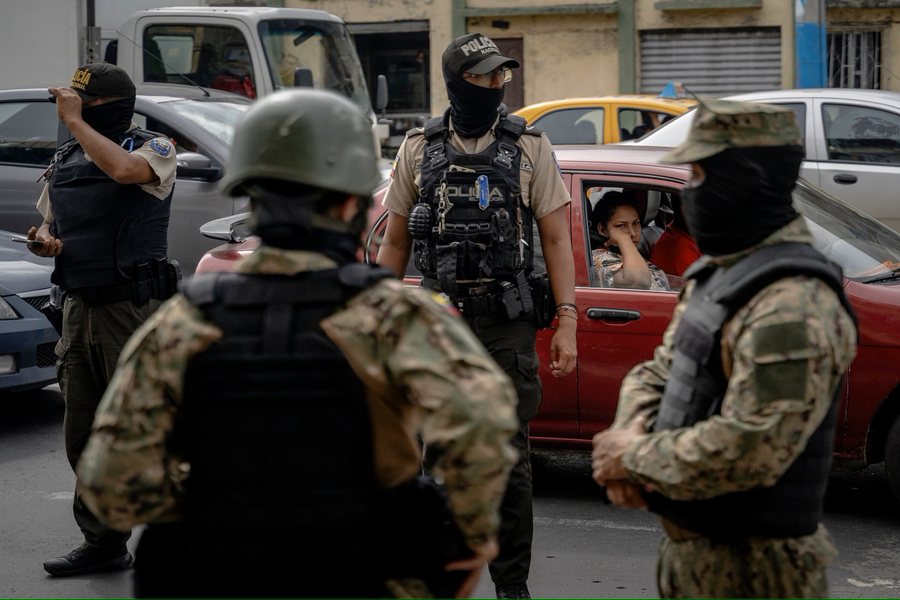
The story of Gjika is a warning about the dangers of Albanian drug traffickers, who, through sophisticated transnational networks, continue to influence the global cocaine market...
A recent raid by Ecuadorian and Spanish authorities that led to the arrest of 31 suspected members of an international cocaine-trafficking organization has highlighted the growing role of Albanian drug traffickers in Ecuador's criminal landscape.
Among them, Dritan Gjika, who emerges as a central figure, accused of orchestrating a sophisticated drug-trafficking scheme linking Colombian producers to European markets via Ecuador. Born in Shkodër, northern Albania, Gjika moved to Ecuador in 2009 and obtained citizenship four years later, settling in Guayaquil, where he began building his criminal empire under the guise of a respected businessman.
Gjika's rise in the Ecuadorian drug trade is closely linked to his ability to establish connections with influential figures in local business and politics. Cooperation with Rubén Cherres, an Ecuadorian businessman with a controversial past, and alleged support from Ecuadorian police chief Tannya Varela allowed Gjika to act with impunity. Its activities accelerated after the signing of the peace agreement between the Colombian government and the FARC in 2016, which led to the demobilization of some of the guerrillas and the emergence of dissident groups that still control key territories along the border between Colombia and Ecuador.

Gjika's strategy included the acquisition of export firms such as Cresmark SA and Agricomtrade, which provided legal cover for cocaine trafficking in Europe. These companies sent hundreds of shipments to an Albanian importer, Alba Exotic Fruit, which was used to introduce drugs into Albania. Despite increasing pressure from law enforcement, Gjika has demonstrated remarkable adaptability, switching from traditional smuggling methods to using third-party shipping containers, a technique known as rip-on rip-off, which involves bribery of port workers to remove the drug once it reaches its destination.
The February 2024 police operation dismantled much of Gjika's trafficking infrastructure, arresting many high-ranking members of his organization. However, Gjika himself remained on the run, apparently continuing to direct operations from afar. His ability to keep a low profile and delegate day-to-day operations to a network of associates complicated authorities' efforts to capture him. Despite recent setbacks, demand for cocaine in Europe remains high and other transatlantic networks are filling the void left by the partial collapse of the Gjika organization.
The case of Gjika illustrates the challenges Ecuador faces in the fight against drug trafficking, underscoring the need for more effective international cooperation and deep reforms in security and justice institutions. The link between drug traffickers and high-level political and business figures suggests a level of corruption that seriously undermines efforts to combat organized crime.
Gjika's story is a warning about the dangers of Albanian drug traffickers, who, through sophisticated transnational networks, continue to influence the global cocaine market and pose a significant threat to the stability and security of vulnerable nations like Ecuador. /Adapted "Pamphlet" from "Inside Over"






Lini një Përgjigje