


 Shkruar nga Kastriot Kotoni
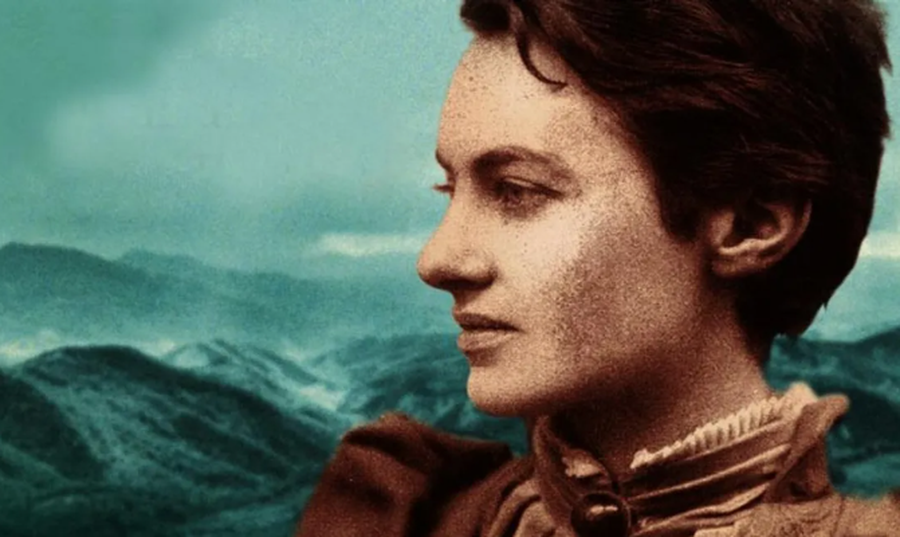
From traveling to Albanian lands to defending independence and national identity, Durham became the most credible witness to the Albanian spirit: an ethnographer, activist, and chronicler who left behind works that gave Albania a voice that no one else in the West gave it...
English travelers who have passed through Albanian territories have left an extraordinary treasure with their descriptions of Albania. They have created a tradition that begins from the depths of the 14th century and has given us the wonderful assessments of Albania and the Albanians of George Byron in the early 19th century. It was natural that this tradition would take the form of genuine observations, such as we find among Byron's contemporaries.
Miss Durham followed in the footsteps of Byron, but year after year the geography of her travels in Albania expanded. At the beginning of the 20th century, she had the task of crowning the centuries-old struggle for Albania with independence. It was precisely at that time, when the Albanian insurgent movement for freedom and independence was ignited, at the most decisive moment when the claims for the swallowing of Albanian lands by chauvinist states weighed heavily on the country, at the time when “the Balkans were called a powder keg”, Miss Durham came into contact with the Albanians.
Little by little, she was drawn to the greatness and tragedy of this people, until she became not only a lover of their spirit and culture, not only a describer and researcher of their customs and events, but she became a spokesperson for the legitimate rights of the Albanian people and a direct participant in the events that were determining the fate of this country. She became a fighter for the Albanian cause.
To the Albanians in the north, or as she calls it in her book “Upper Albania”, she was known as the “Uncrowned Queen”. With this epithet, not decreed in any official motion, she was baptized as a sign of gratitude and trust from the echo of the songs and legends of the mountains dedicated to her by the highlanders of the north. It is known where she lived in Shkodra, in the house of Mark Shantoja; another said that my grandfather “raised a horse for her” and kept a mule for her because we had her as a house friend; a Shkodranian pointed to the well where Miss Durham had drunk water; another pointed to a cradle that she had rocked.
One scholar has pointed out that Mary Edith Durham, who devoted her entire life and energies to the Balkan issue, had remained practically unknown in the West, even more so in her native England, while Albania had been closer to her than England itself. In England her work has been reprinted several times, but numerous scholars are also engaged in researching her life at the Royal Anthropological Institute in London.
Even the researcher Gill Trethowan, her successor, has written a book titled “The Durham Phenomenon”. She has attracted the attention of John Hodgson in Austria, Tini Van Hall in the Netherlands, Antonia Jung in the USA, etc. Various articles have been published in the most prestigious London newspapers about Miss Durham’s contribution to the Balkans, especially after the years 1980–1990.
Edith Durham, this tireless researcher and ardent defender of the Albanian cause, has written the following books about Albania: "The Concern of the Balkans", "Upper Albania", "The Battle for Shkodra", "20 Years of Balkan Confusion", "Some Origins, Laws and Customs of the Balkan Tribes" and "Through the Lands of the Serbs".
Her unpublished writings are the diary she kept during her stay in Albania and other parts of the Balkans, covering the period 1900–1914 and 1914–1936. Her journey began from Korça south to Përmet, Tepelena and then north: Vlorë, Fier, Berat, Durrës, to finally arrive in Shkodër.
Here is what Dutch scholar Tini Van Hall writes about her work "Balkan Concern":
"The book contains her experience and provides historical data to make the situation in the Balkans known to English readers. In this book we discover interesting ethnological information described in her attractive and eloquent style."
“Balkan Worry” was the only book to be reprinted in London within ten years. It was published in 1905 by Edward Arnold with a beautiful drawing of the bust of Edith Durham on the cover. It was reprinted at least twice in 1912 and 1918 by Thomas Nelson & Sons (London, Edinburgh).
In the preface to this book, Miss Durham believes that European readers will understand that the oppression of the Albanian people is of racial, not religious, origin. The Christians did not rise up in rebellion for the sake of Christianity, and they in no way represent the Christian population of this country.
Professor of the University of Vienna, John Hodgson, writes about this work:
“In 1903 the Ilinden uprising against the Turks took place in Macedonia and the brutal repression of the poor peasants took place. Miss Durham, although she had just returned to Montenegro, was asked for help by the Macedonian Relief Committee, and she could not refuse this call for help. The work ‘Balkan Worry’ expresses her dissatisfaction during the relief work in Macedonia.”
Edith Durham was a missionary who brought a message to “civilized Europe”: contrary to the Turkish and Greek theses circulating at the time, she proved that the areas she crossed were inhabited by Albanians. She particularly praised the efforts of Albanian patriots to open Albanian schools, efforts that encountered constant obstacles from the Turkish and Greek authorities acting through the Orthodox Church.
Miss Durham dallon Gegërinë dhe Toskërinë, por thekson se midis tyre ka vetëm dallime dialektore që nuk cënojnë njëjtësinë etnike e kombëtare, ashtu siç ndodh me të folmet e ndryshme në viset britanike.
Faik Konica, stilist i shquar i letrave shqipe, në veprën e tij “Shqipëria, kopshti shkëmbor i Evropës Juglindore”, ka vënë këtë dedikim:
“Miss Edith Durham! Mikeshës së përjetshme të popullit shqiptar, vrojtuese së thellë të sjelljeve dhe historisë së tyre, kontribuonjëses së Rilindjes sonë Kombëtare, i dedikohet ky libër si dëshmues i vogël admirimi e vlerësimi.”
Në këtë libër ka një vështrim shumë interesant historik për Ballkanin nga ana etnologjike dhe filozofike. Ja çfarë shkruan ndër të tjera Faik Konica:
“Në këtë vepër, emri ‘Evropa Juglindore’ do të përdoret shpesh në vend të emrit ‘Ballkan’, që u përdor më herët dhe për herë të parë në vitin 1808 nga një gjeograf gjerman i quajtur A. Zeune. Është fjalë turqisht që do të thotë ‘male’.
Ky emër nuk u përmend për një kohë të gjatë nga shumë shkrimtarë. Dhe nuk gjendet askund në edicionin e nëntë të Enciklopedisë Britanike (1875), gjithashtu nuk u gjend pas një shikimi të kujdesshëm as në Dictionnaire de Géographie Universelle të botuar më 1879 nga Vivian de Saint-Martin.
Nuk u gjend as në indekset e revistës “London Times” që nga fillimi deri më 1878; pastaj hoqa dorë së kërkuari. Por edhe në kohën tonë, shkrimtari anglez mbi Bizantin, Bury, përdor gjithmonë emrin “Gadishulli Ilirian” (Illyrian Peninsula). Termi “Haemus Peninsula” është përdorur rrallë herë në raste të veçanta.
Është për t’u theksuar se edhe vetë “ballkanasit” nuk e kishin dëgjuar kurrë këtë emër, po kështu edhe vetë autori i këtij libri, megjithëse është lexues i palodhur librash, e mësoi këtë emër në moshën 26 vjeç. Emri “Ballkan” u përhap nga gazetarët të cilët e lidhën me vargun e maleve Ballkan, por studiuesit më të kujdesshëm përdorin emrin “Evropa Juglindore”.”
“Shqipëria e Epërme” nxjerr në shesh intrigat e Fuqive të Mëdha, shkruan John Hodgson. Përmes këtij libri ka tone gëzimi dhe feste; Miss Durham nuk kishte pasur kurrë kaq shumë atmosferë nxehtësie verbuese që i jep veprës një unitet letrar.
Ndjenja e suksesit është diçka personale për të, sepse Durham nuk kishte arritur kaq shumë asnjëherë në jetë. Libri është plot me nota ngadhnjimi për vetë shqiptarët.
Ekzaltimi i dehur në “Shqipëria e Epërme” mbetet i fortë përballë varfërisë, padijes së jetës në ato vite të dhjetëvjeçarit të parë të shekullit XX dhe mbi të gjitha përballë tmerreve të gjakmarrjes. Durham nuk i mbyll sytë përballë këtyre gjërave dhe nuk i keqtrajton.
Mbi të gjitha ajo nuk romantizon. Në veçanti ajo e thotë hapur dënimin e saj për gjakmarrjen.
Megjithatë, ajo bëri një përpjekje të veçantë për të kuptuar logjikën dhe moralin e brendshëm të saj. Ajo nuk bën dallim moral ndërmjet gjakmarrjes së fiseve shqiptare dhe luftës që zhvillojnë kombet moderne.
However, "Upper Albania" exalts not violence, but loyalty. Durham writes at length about the Albanian loyalty, about the word of honor, about the famous traditions of hospitality; about the "bread and salt and heart" with which the master of every house has treated him./ Pamphlet





Lini një Përgjigje