


 Shkruar nga Pamfleti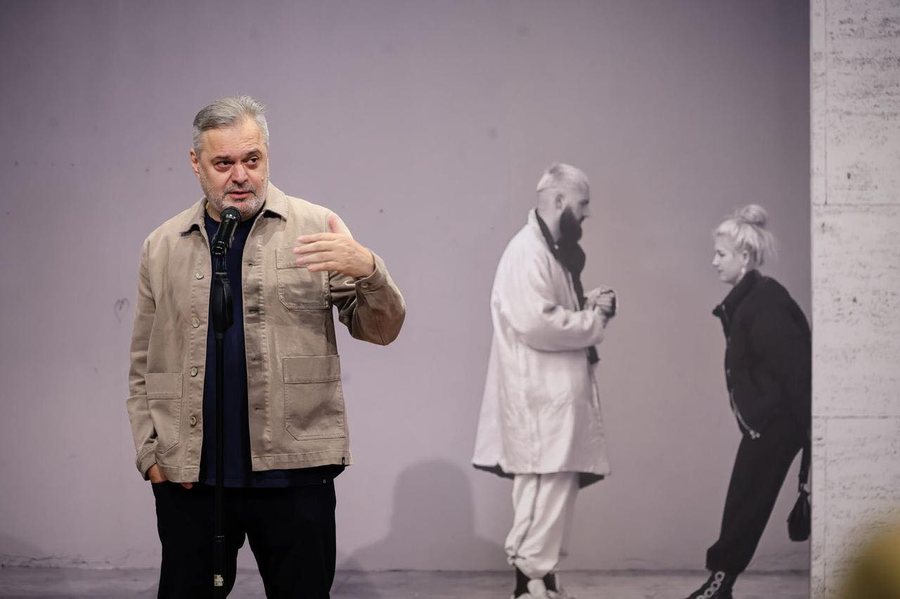
Blushi says that the exhibition is dedicated to the unknown people of Albania and also adds that his photographs bring the real Albania into focus...
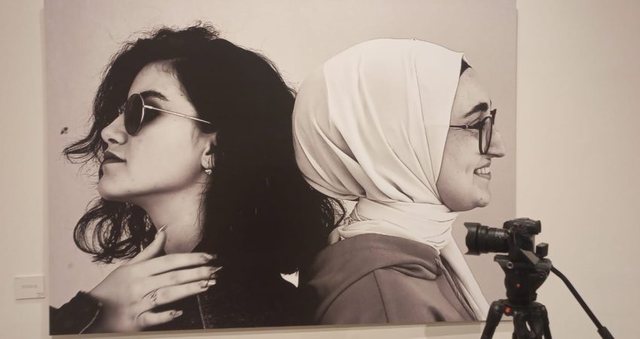
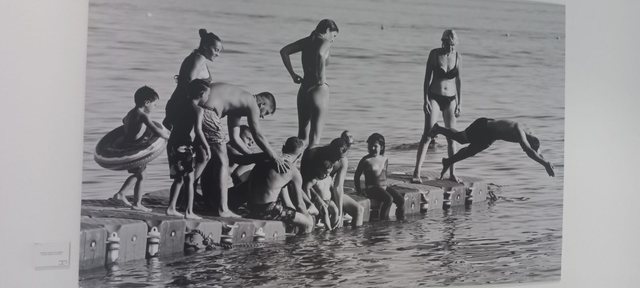
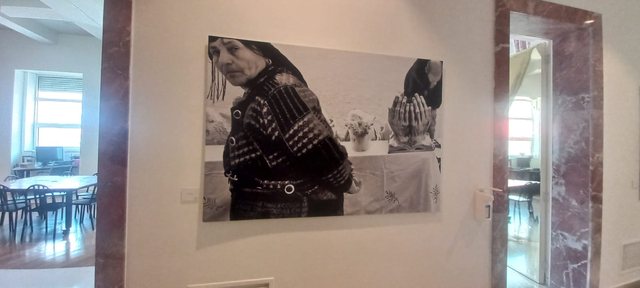
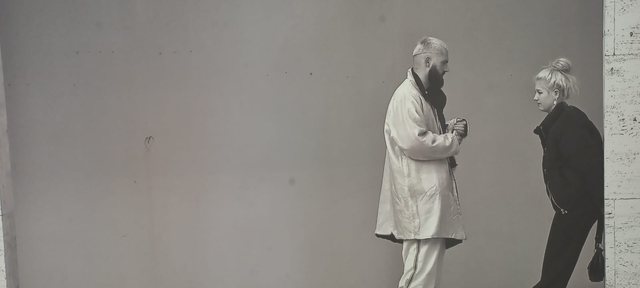
A child playing carefree on the beach, some shoes lying on the street, young girls kissing each other, two young men chatting carelessly, or even women wearing headscarves and men with mental problems, are just some of the images recently exhibited in the exhibition "Unknown Albanians" by author Ben Blushin.
From journalism to politics, from politics to literature, and most recently to photography, Blushi has decided to dedicate himself entirely to art. Photographing people from every corner of Albania seems to be giving him the pleasure of getting to know a different Albania, and is also helping him to "rehabilitate" from the complicated life of a politician.
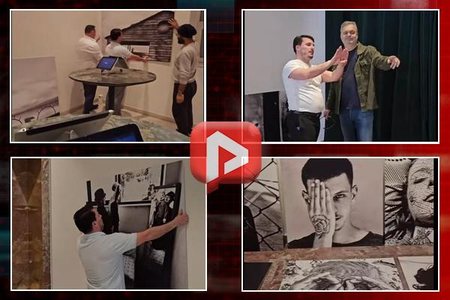
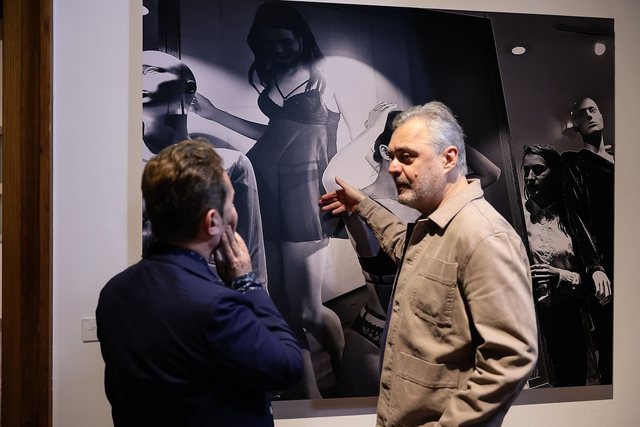
As I meet Ben in the lobby of the COD Center, where his exhibition has been open for a few days, I notice in his portrait an almost childlike impatience to present his photographs. This impatience of Ben is typical of him, whenever he presents an artistic work, be it a new book or an exhibition like this latest one.

His entire stature is placed at the service of the viewer from whom he seems to expect quick and concrete feedback. This almost impressive commitment makes the other person in front of him feel an important part of Ben's art and also an important and essential element in the reception of the images and their interpretation.
This also happens with a group of Germans who happen to be in the exhibition premises, and who, by "their luck" on a day off, find the author present, who does not tire of giving everyone explanations and details about the exhibition.
Blushi: The exhibition "Unknown Albanians" is my gratitude to those who made me a photographer.
Blushi says that the exhibition is dedicated to the unknown people of Albania and also adds that his photographs bring the real Albania into focus.
" You turn on the TV and you see the same people, the same faces, so there are only 20 people circulating on television. These are the public people, while you don't see the ordinary, everyday person anywhere except on the street going about their lives. This has been the goal of this exhibition, to bring Albania without tragedies, without pathetic shots aimed at vulnerable groups. The Albania of my photos is the real Albania, with unknown people who live, laugh, fall in love, worry, etc. ," he says.

He says he started taking photographs out of passion, without realizing that this passion would soon capture his heart and time, dedicating time and commitment to it.
" On January 1, 2022, I took a camera that I had just bought and went out to photograph the streets of Tirana. Some photos came out blurry, others were not suitable. Later I realized that shooting and photography were two different things. The finger takes the shot, while the mind takes the photo. And as I saw unknown people who became part of my lens, I realized that I already had many unknown friends, and that was wonderful ," he says.

According to Blushi, the "Unknown Albanians" exhibition is a recognition of these people who taught him to photograph.
" Most of them did not know they were being photographed. And I tried to take photos that highlight the character of the photographed characters. Worried, happy faces, unknown people from every city in Albania. This exhibition is dedicated to them, and it is a sign of gratitude to them who taught me how to photograph, that is, made me a photographer, " concludes Blushi.
A photo, a story...
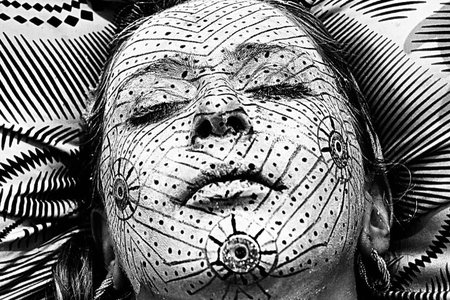
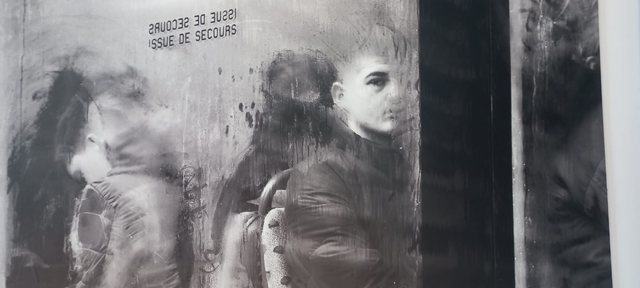
The photographs, which are all in black and white, resemble film fragments, thus creating an overall impression of a silent cinema. The captions of the photographs, sometimes reflective and sometimes with ironic titles, interpret, according to the photographer's eye, what we see in the photograph but which we often cannot identify beyond the image.
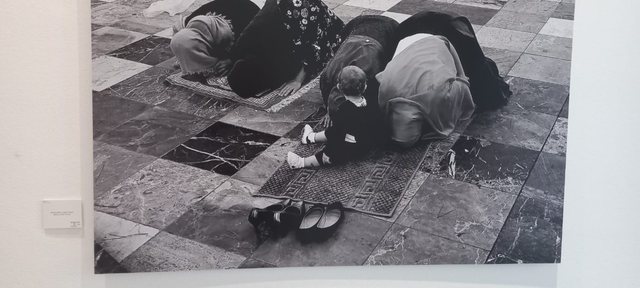
Some believers praying and a child found by chance there, are captioned “God is a child”, a caption that is both ironic and provocative, an element present in Blushi’s artistic “discourse”. Young people are the main objective of his camera, but there is also the women of Mirdita, the priest of Shkodra or the mentally ill person who sees the world through his “binoculars”.

And as you walk through the halls and corridors of the exhibition, you realize that Ben is not a random photographer, and that the photographs he takes are not simply enlarged and exposed images for ego and creative variety. They carry real characters who seem to communicate with the audience. They are like a large black and white screen within which a film has stopped, waiting from moment to moment to start moving and develop the story even further.

Each photograph is a story in itself, one that invites you not only to interpret but also to imagine the beginning, what happens next, after the lens has moved away. How did the lives of these characters continue?
And the influence of literature on photography is clearly visible. Beni, wanting to take the ideal shot, has not only given us a still image, but also a story, a narrative that continues... / Gazeta Si



Lini një Përgjigje