


 Shkruar nga Pamfleti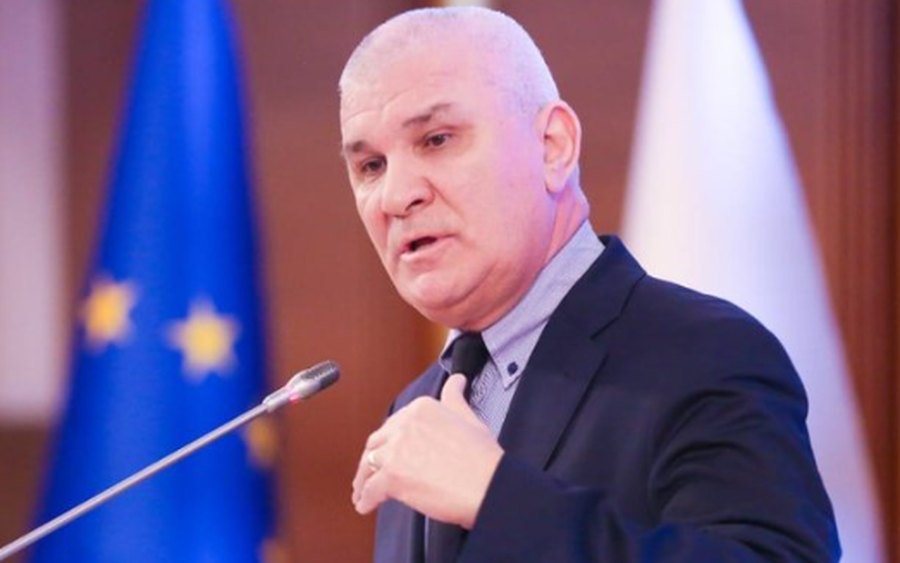
The figure of the Shkodran artist at the intersection of ethics, aesthetics and cultural memory, a model of orientation for the Albanian university and society...
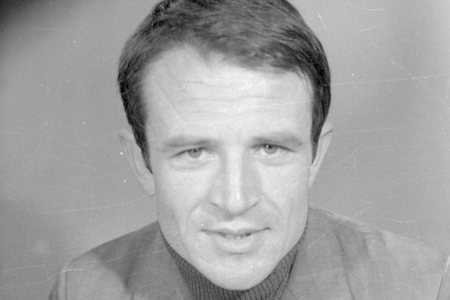
Today, at the University of Shkodra "Luigj Gurakuqi", we have gathered to bring back to our cultural consciousness a figure that transcends the dimensions of art history: Lin Delija — as human destiny, as moral conscience, as a symbol of culture, and as an ethical and aesthetic model at the same time.
Born in Shkodra, a city with a rich spiritual, cultural and intellectual tradition, Lin Delija was formed in an environment where art, religion, humanism and knowledge naturally coexisted. His life path was built on the experience of exile, separation and loneliness, transforming his creativity into a profound human testimony and an expression of a lived ethic.
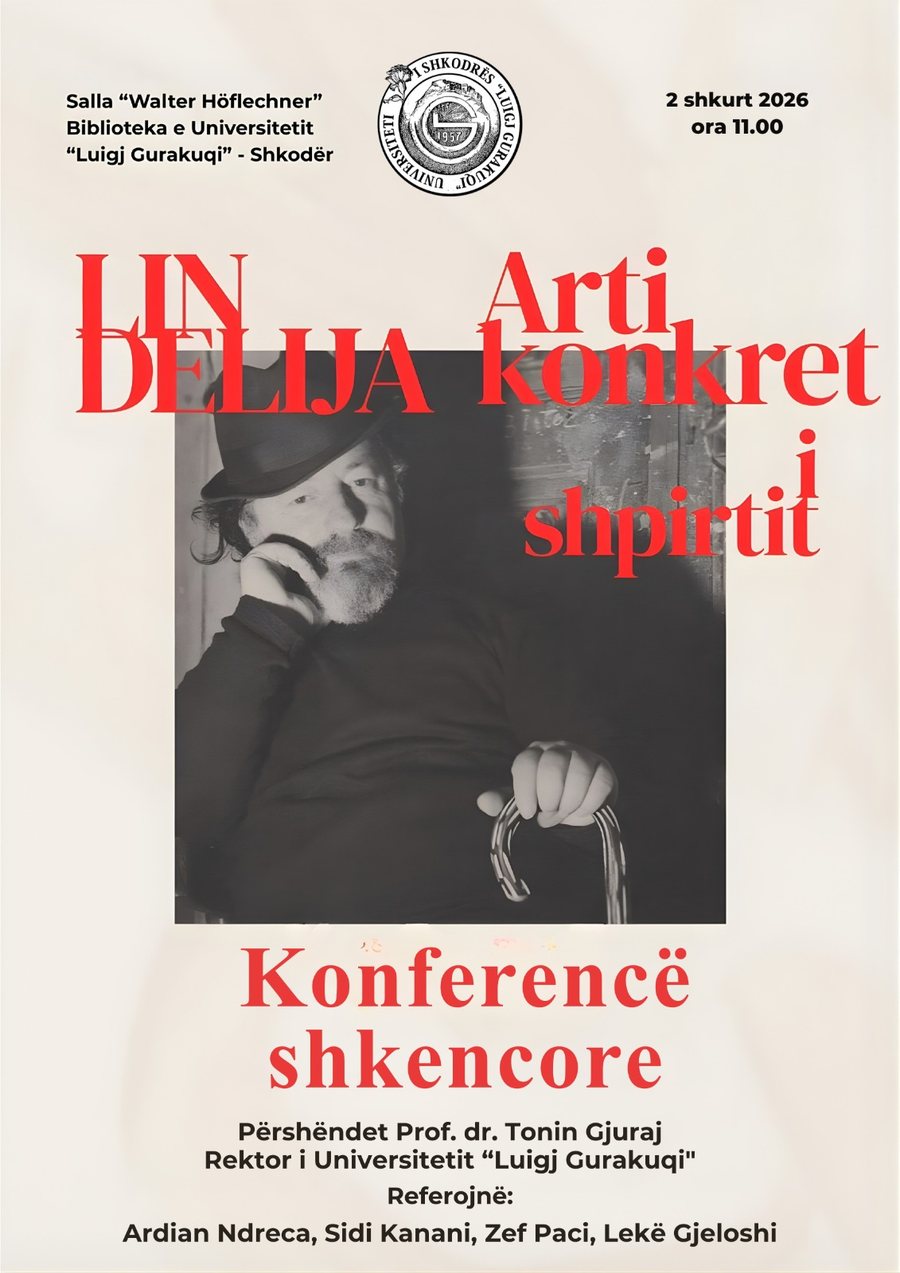
Escape from dictatorship, life in exile, separation from the homeland and family experiences of pain became internal sources of a painting with moral density, spiritual depth and human dignity. From them was formed an art with inner calm, restraint, spiritual discipline and a focused symbolic language.
In Lin Delija's work, the human figure appears as an existential being; space takes the form of a spiritual state; color transforms into an ethical language. He paints meaning, constructs inner experience, and expresses the consequences of reality on the human soul.
For this reason, Lin Delija represents a figure of modern times: an artist of the displaced man, of identity in search of oneself, of urban loneliness, of the need for meaning and spiritual orientation in a world of fast pace and profound transformations.
Here, in Shkodra — a city of historical memory, cultural heritage and spiritual resistance — the figure of Lin Delija takes on a special meaning. He represents the sons of this city who physically left, but preserved Shkodra as a cultural code, as an ethical structure and as an identity memory, to breathe into the dynamics of color the energy that testifies to its vital pain.
In this context, the activities developed in recent years in Albania for his figure — exhibitions in Shkodra and Tirana, the return of his works to the Albanian public, efforts to create a museum and institutional initiatives to promote his heritage — represent important acts of cultural re-appropriation and the construction of collective memory, a return and recognition of oneself and a rapprochement with the spirit of the artist Delija. (The University of Shkodra will soon publish a monograph on Lin Delija, with the contribution of pedagogue Sidi Kanani.)
For the University of Shkodra “Luigj Gurakuqi”, this conference represents an important moment of institutional awareness. The University today faces scientific, cultural and social challenges, which require new answers, long-term vision and ethical orientation. In this reality, the university affirms its role as a space of knowledge, culture, human formation and social responsibility.
In this context, the figure of Lin Delija serves as a model of an art that builds values, that nurtures cultural awareness, and that strengthens social responsibility. He represents the artist as conscience, the creator as a moral figure, and art as a cultural mission.
Albanian society today is experiencing profound identity and cultural transformations, which require sustainable referential models. In this reality, the work and figure of Lin Delija offer a clear orientation: an art that strengthens human dignity, a culture that builds awareness, and a university that educates citizens.
Therefore, this conference represents a space for collective reflection, a moment of cultural awareness, a process of identity building, and an act of institutional responsibility.
Because the "concrete art of the soul" becomes an orientation for our time and a horizon of values for the future.
May this conference serve as a source of inspiration, a platform for dialogue, and an incentive for building a university culture that unites knowledge, art, and ethics.
Thank you!
Tony Gjuraj
Rector of the "Luigj Gurakuqi" University of Shkodra



Lini një Përgjigje