


 Shkruar nga Alex Clark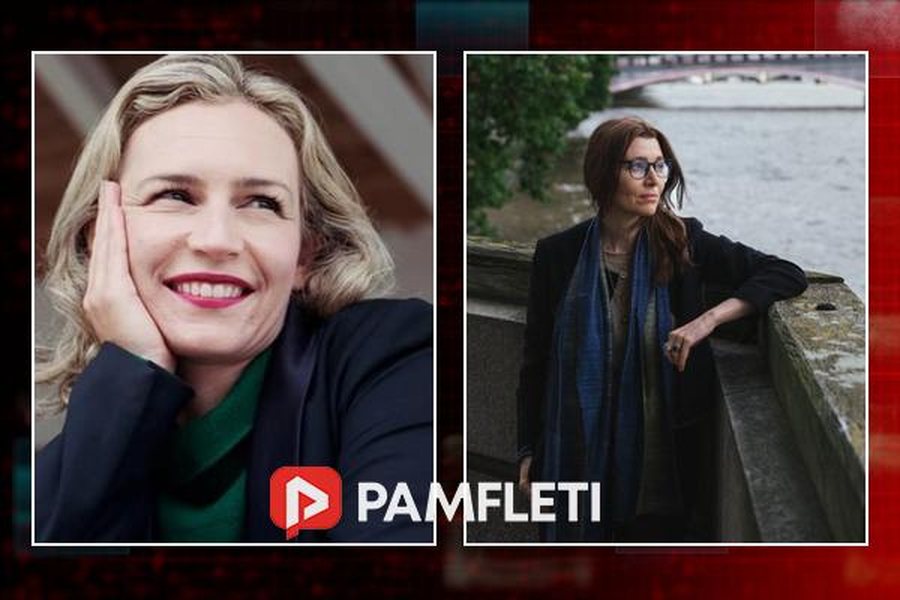
The Albanian academic and the Turkish novelist discuss the rise of populism, censorship, and today's conflicts, all of which stem from the unresolved trauma of the past...
Lea Ypi's award-winning book "Free" describes the experience of growing up in Albania, both before and after the fall of communism.
Her new book, “Indignity,” reconstructs the life of her grandmother, who arrived in Tirana from Thessaloniki as a young woman and became closely involved in the country’s political life. Ypi currently holds the Ralph Miliband Chair in Politics and Philosophy at the London School of Economics.
Turkish writer Elif Shafak is the author of more than 20 books, both fiction and nonfiction, including the Booker Prize-nominated novel 10 Minutes 38 Seconds in This Strange World and, most recently, There Are Rivers in the Sky. When the two spoke via video call, Ypi traveling to India and Shafak from her home in London, their conversation ranged from censorship and the rise of populism, the challenges of being writers with multiple identities, and the importance of representing complex historical events in their work.
Elif Shafak: It's an age of anxiety. There's so much uncertainty, in the East and the West, among the young and the old, so many people are anxious today and it's palpable. In many ways, it's a golden age for demagoguery, for populist demagogues who come on the scene and say, "Leave it to me, I'll make it simple for you."
Lea Ypi: What strikes me is the contrast between the rich life found in literature and academia, and the banality of politics. In literature there is experimentation with genres, with cultures and languages, and there you get a sense of complexity. In politics, almost the opposite happens, everything is about simplicity. It has to be short, simple, bordering on banality. And more and more often, it is also exclusionary. Contemporary political discourse tends to say: let's get rid of immigrants, an idea that only homogeneous societies can be just.
Elif Shafak: It is important to talk about censorship too. Not only the pressures that come from above, but also the internal ones: self-censorship. How do we overcome that? I come from a country where words are heavy. Anything you write, from sexuality to gender, from memory to history, can offend the authorities. I experienced this when one of my novels, The Bastard of Istanbul, was taken to court: it told the story of an Armenian-American family and a Turkish family through the eyes of women, but it dealt with memory, amnesia and, even today, the biggest taboo in Turkey – the Armenian genocide. When the novel was published, the prosecutor asked for three years in prison. The words of fictional characters were brought as evidence in court. During that time, there were people burning EU flags, spitting on my picture, burning it, calling me a traitor. Years later, two of my books were investigated for the crime of pornography: 10 Minutes 38 Seconds in This Strange World because it features a sex worker, and The Gaze because it deals with topics like child abuse, in a country where we have child brides, which to me is abuse. I mention these because these are the realities of the societies we come from. We need to create spaces where we forget about these. Because if we start thinking: will people be offended? will the authorities be angry? Then you can't even write a line.
Lea Ypi: For me, what is important about growing up in Albania and the transition from totalitarianism to the post-communist period is that living in a totalitarian society makes you very sensitive to propaganda of any kind, at any time. There was no clear break where I first lived in an unbridled world and then entered a free world, it was always a matter of vigilance to see where censorship, ideological manipulation and propaganda are hidden, even when they come from countries that seem completely innocent. You always think about what is critically missing in a society you live in: where is the democratic gap? We have all this praise of freedom, and yet we live with politicians and decision-makers who blatantly limit the freedom of others. In Albania we have a saying: “Istanbul is burning and the old woman is getting married.” Sometimes you fear that what you do is completely irrelevant, but you tell yourself: my job is to be critical, to press, to remember, to try to make people think about how the past shapes the future, how ideas are repeated, and how the political conflicts of the present stem from unresolved traumas of the past.
Elif Shafak: We have so much in common, the topics we address, the geographies we come from, but also the silences we dig into. For both of us, memory is important, not to get stuck in the past, but because without remembering we cannot heal.
Lea Ypi: Çdo zë që dëgjon është gjithmonë rezultat i një marrëdhënieje pushteti. Ky ishte për mua përvoja e shkrimit të Indignity, që kishte të bënte me gjyshen time, dhe kërkimin në arkiva. Ishte jashtëzakonisht e vështirë të hulumtoje për një grua që jetonte në vitet 1920-30. Ajo jetonte në Selanik, që në fëmijërinë e saj ishte ende thellësisht kulturë osmane. Pastaj u bë pjesë e shtetit grek, dhe ata formësuan krejt diskursin mbi çfarë duhej treguar dhe si duhej treguar. Nëse mbështetesh tek burimet zyrtare, ato gjithmonë kanë një agjendë. Përmes mënyrës sesi ndërtojnë arkivat, sesi shkruajnë historinë, madje edhe sesi formojnë traditat letrare, gjithmonë përfaqësojnë agjendën e njerëzve në pushtet. Si e sfidon këtë? Vetëm kur letërsia bëhet rezistencë mund ta sfidojë atë, por duhet ta dojë këtë gjë haptazi.
Elif Shafak: Të jesh shkrimtar është si të jesh një arkeolog gjuhësor: duhet të gërmosh në shtresa historish, por edhe në shtresa harresash. Me perandorinë osmane, flasim për një perandori multietnike, shumëgjuhësore dhe multireligjioze që zgjati mbi 600 vjet. Jashtëzakonisht komplekse, dhe historia ndryshon sipas atij që e rrëfen, por duhet të jemi të vetëdijshëm edhe për ata që nuk u lejohet ta tregojnë historinë. Kështu, për shembull, mënyra si mësohet historia osmane në shkolla turke, ku shkova edhe unë: aty ka boshllëqe të mëdha, që shpesh mbushen me ultranacionalizëm, herë-herë ultrafetari, dhe nostalgji perandorake që flet për madhështinë e dikurshme: kudo që shkuam, sollëm drejtësi dhe qytetërim. Por në çastin kur pyet: po për gratë? Si ishte perandoria për një prostitutë, për një konkubinë në harem, për një fshatare pa pushtet? Heshtje e madhe. Ose kur pyet për minoritetet: një mullixhi hebre, një fshatar kurd, një bujk arab, një marinar grek. Si ishte perandoria për ta? Apo për një argjendar armen? Përsëri heshtje.
Elif Shafak: Nuk më pëlqen kur shkrimtarët bëhen predikues, apo japin mësime, dhe kjo është diçka për të cilën duhet të jemi të kujdesshëm.
Lea Ypi: Letërsia ka këtë funksion demokratik vetëm sepse nuk predikon. Nëse do të predikonte, do ta humbiste. Nëse i thua lexuesit: “Kështu duhet ta shohësh botën, kjo është e drejtë, kjo është e gabuar”, atëherë bëhesh autoritar. Dhe atëherë, letërsia humbet fuqinë që ka për të jetuar me lexuesin. Nuk mendoj se libri përfundon kur shkrimtari e shkruan: ai vazhdon të shkruhet në mënyrën si pritet, si diskutohet, si temat e tij ushqejnë debatet shoqërore e kulturore. Kur Free doli, njerëzit më dërgonin foto të Erdoğan me librin gjatë një samiti për paqen Armeni–Azerbajxhan. Ishte e pakëndshme, sepse e di çfarë doje të shkruaje, e di që ishte për lirinë, dhe pastaj e sheh në duart e figurave autoritare. Në çdo shoqëri politikanët përvetësojnë artin, por unë i them vetes: kjo është gjithashtu pjesë e historisë së librit. Është një vend i paqartë, dhe edhe unë kam një marrëdhënie të paqartë me të; nuk më pëlqen të më identifikojnë si shkrimtarja që shkruan për Shqipërinë, për komunizmin, për jetën nën totalitarizëm dhe kapitalizëm. Ajo që e bën të veçantë për mua është fakti që nga një vend i vogël mund të rindërtosh botën. Shqipëria ishte nën perandorinë osmane, por qyteti im Durrës ishte qytet romak, me një amfiteatër nga më të mëdhenjtë në Ballkan. Para kësaj ishte qytet helen. Më pas u bë qendër bizantine. U pushtua nga Venediku. Pra, në 100 metra katrorë në qendër të qytetit, ke mijëvjeçarë historie europiane. Gjithmonë qesh kur dëgjoj diskutimet për t’u anëtarësuar në BE, sepse mendoj: kur nuk kemi qenë pjesë e Europës? Kur na ka lënë Europa vetëm?
Elif Shafak: Është e rëndë të jesh shkrimtare turke, dhe për një shkrimtare femër, edhe më e rëndë, sepse duhet të përballesh me shtresa shtesë të mizogjinisë e patriarkatit. Nuk dua të jap një tablo krejt të errët, por dua të jem e sinqertë: je e goditur në njërën faqe, dhe njëkohësisht e puthur në tjetrën, sepse lexuesit lexojnë. Historitë kanë rëndësi, sidomos në vende ku demokracia po zbehet: sa më shumë shkon një vend mbrapa, aq më shumë letërsia dhe arti bëhen të domosdoshme. Pra, kjo është një ekzistencë e ndarë.
Lea Ypi: Nuk e di nëse është shenjë depresive e kohës sonë fakti që kemi kaq shumë debate interesante në botën e kulturës, por që nuk pasqyrohen aspak në botën politike, ku ndodh e kundërta: thjeshtëzim, përjashtim. Si është e mundur që ende nuk gjejmë mënyrën për t’i ndërlidhur të dyja?
Elif Shafak: I can’t forget the fact that I am an immigrant in the UK. But I am also someone who truly believes in multiple identities. Of course, being Turkish is a big part of my identity and my work, but Britain has given me so much. The English language has given me so much, and I have been writing in it for over 20 years. How can I deny that it has given me a sense of home? But I like to think of myself as a citizen of humanity, a citizen of the world, which is something that is greatly undervalued in this time of populism and demagogy. We are told that if you are a citizen of the world, you are a citizen of nowhere, and that is something I want to challenge. I believe that is wrong. We live in a complex era. We are facing massive global challenges, and everything from the climate crisis to the possibility of another pandemic to deepening inequalities shows how interconnected we are. /Adapted from “Pamphlet” by “The Guardian”
"Indignity: A Life Reimagined" by Lea Ypi is published by Allen Lane on September 4. 'There Are Rivers in the Sky" by Elif Shafak is published by Viking.


Lini një Përgjigje