


 Shkruar nga *Luke Coffey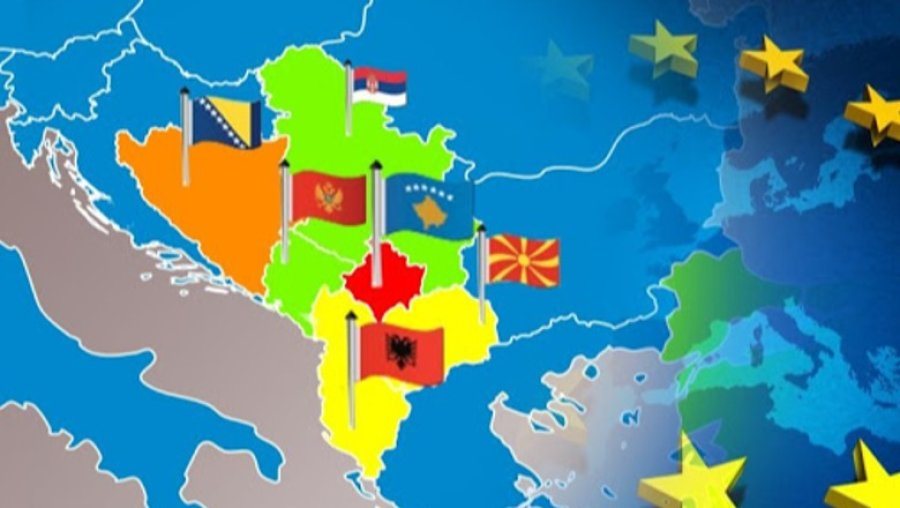
The current focus of the international community on Ukraine, Iran, Taiwan and Gaza should not ignore the developments in the Balkans. Over the next few weeks, blood will start to reignite there as well.
When one considers the security and stability of Europe, the first thing that comes to mind is the Russian invasion of Ukraine. After all, it is the biggest war in Europe since the 1940s. However, a region about 1,000 kilometers southwest of the front line in Ukraine is on the verge of another security crisis.
The Balkan region in Southeastern Europe is prone to instability. It faces many economic challenges. Ethnic, religious and sectarian differences remain a source of friction in society. And for better or worse, it is also susceptible to the influence of outside actors.
For example, Russia, USA, China and Turkey, etc., have interests and influence in the region.
After several bloody sectarian wars in the 1990s, and after the breakup of Yugoslavia, Europeans and Americans were able to stabilize the region through a series of peacekeeping operations.
Since that time, the geopolitical situation in the Balkans has remained stable, but fragile. There has been no serious threat of instability, at least so far. The Balkans is a good example of Europe's unfinished business in terms of Euro-Atlantic integration. In part, this may be a source of the region's current difficulties. Croatia and Slovenia are in the EU and NATO. North Macedonia, Albania and Montenegro are in NATO, but not in the EU. Kosovo aims for membership in both the EU and NATO.
Serbia remains firmly in the Russian sphere of influence, serving as Moscow's base in the region, but occasionally sends signals that it wants to get closer to the EU. But the most complicated and important country in the region is Bosnia Herzegovina.
Although formal processes for membership in the EU and NATO have begun, in reality there has been little progress. Like its neighbors, it faces many social and economic challenges, and as you might expect, these challenges are further exacerbated by sectarian divisions within the country that are fueled by those outside it.
In Bosnia and Herzegovina, two sub-state entities emerged as a result of the Dayton Accords after the civil war of the 1990s: the ethnically Bosniak and Croat federation of Bosnia and Herzegovina and the Serb-majority Republika Srpska.
The leader of the latter, Milorad Dodik, has long defended independence. Also in recent years, he has taken steps to undermine the legitimate state structures of Bosnia and Herzegovina by creating parallel institutions within Republika Srpska.
Për shembull, muajin e kaluar Asambleja Kombëtare e Republika Srpska, miratoi një ligj të ri zgjedhor, i konsideruar si jo-kushtetues, dhe hartoi një kornizë ligjore për mbajtjen e referendumeve, për të cilën shumë njerëz druhen frikë se mund të përdoret për një plebishit të ardhshëm mbi pavarësinë.
Këto masa, jo vetëm që e dëmtojnë sovranitetin shtetëror të Bosnjë-Hercegovinës, por kërcënojnë të prodhojnë paqëndrueshmëri në Ballkan, duke rrezikuar edhe suksesin e Marrëveshjes së Dejtonit të vitit 1995. Dy ngjarje të ardhshme, mund të shërbejnë si pretekst për një destabilitet të ri në rajon.
Së pari është projekt-rezoluta që po debatohet nga Asambleja e Përgjithshme e OKB-së, e cila propozon caktimin e 11 korrikut si “Dita Ndërkombëtare e Përkujtimit të Gjenocidit në Srebrenicë”. Në vitin 1995, serbët e Bosnjës, së bashku me njësitë paraushtarake nga Serbia, masakruan më shumë se 8.000 myslimanë boshnjakë në Srebrenicë, dhe kjo pasi OKB-ja e shpalli qytetin një zonë të sigurt.
Natyrisht, Dodik dhe presidenti serb Aleksandar Vucic e kanë kritikuar ashpër rezolutën. Një kritikë e tillë nga njerëz si Dodik nuk është befasuese. Në Republikën Srpska dhe Serbi, ka shumë zyrtarë që e minimizojnë atë që ndodhi në Srebrenicë në vitin 1995.
Dodik ka thënë se raportet për përfshirjen e Serbisë në vdekjen e gati 8.000 myslimanëve boshnjakë janë “të pavërteta”, dhe shumë nga viktimat janë “ende gjallë”. Si për ta rritur më tej rrezikun, Dodik ka deklaruar se nëse Asambleja e Përgjithshme e OKB-së e miraton këtë dokument, ai do të kërkojë mundësinë e radhës për t’u shkëputur nga Bosnje Hercegovina. Dhe duke pasur parasysh retorikën e tij të mëparshme për çështjen e pavarësisë për Republika Srpska, kërcënimet e tij duhet të merren seriozisht.
Së dyti, këtë javë mblidhet në Beograd e ashtuquajtura Asambleja e Pashkëve e Serbisë dhe Republikës Srpska. Sipas një deklarate të qeverisë serbe “atje do të merren vendime të rëndësishme për mbijetesën e popullit serb në vatrat e tyre, përparimin e tij ekonomik, ruajtjen e gjuhës serbe, të alfabetit cirilik dhe trashëgimisë së përbashkët kulturore”.
Elita politike në Serbi, ka folur shpesh mbi vizionin e saj për të ashtuquajturën “botë serbe”, me Beogradin si qendër të saj. Prandaj ekziston shqetësimi se votimi në Asamblenë e Përgjithshme të OKB-së, i kombinuar me organizimin e të ashtuquajturës Asambleja e Pashkëve, mund ta bindë Dodik se është koha e duhur për të shpallur pavarësinë nga Bosnje Hercegovina dhe për t’iu bashkuar Serbisë.
Një veprim i tillë, do të kishte pasoja katastrofike për rajonin. Sepse rishikimi i kufijve bazuar në linjat etnike dhe sektare, do të hapte Kutinë e Pandorës. Ballkani ka përjetuar tashmë një baticë të madhe ndryshimesh kufitare gjatë viteve 1990.
Në atë kohë, u vranë më shumë se 100.000 njerëz ndërsa miliona të tjerë u zhvendosën, pikërisht si pasojë e konflikteve etnike. Kësisoj, efektet e ri-vizatimit të kufijve të Bosnje Hercegovinës dhe Serbisë do të ndiheshin edhe gjetkë.
This is especially true in other Balkan regions, such as Kosovo, with its Serbian minority, North Macedonia, with its regions inhabited by ethnic Albanians, and even in Serbia, with its Muslim-majority Sanjak region and that of Vojvodina.
Since the 1990s, the international community has invested heavily, in people and money, to ensure that the Balkans remain peaceful and stable. Even distant countries like Argentina in Latin America; Morocco in North Africa; and the United Arab Emirates in the Middle East, have served as peacekeepers in the region over the years.
The current focus of the international community on Ukraine, Iran, Taiwan and Gaza should not ignore the developments in the Balkans. In the coming weeks, blood will start to rekindle there as well./ Pamphlet & "Arab News"
Note: Luke Coffey, fellow at the Hudson Institute, USA.





Lini një Përgjigje