


 Shkruar nga Joseph Samuel Nye Jr.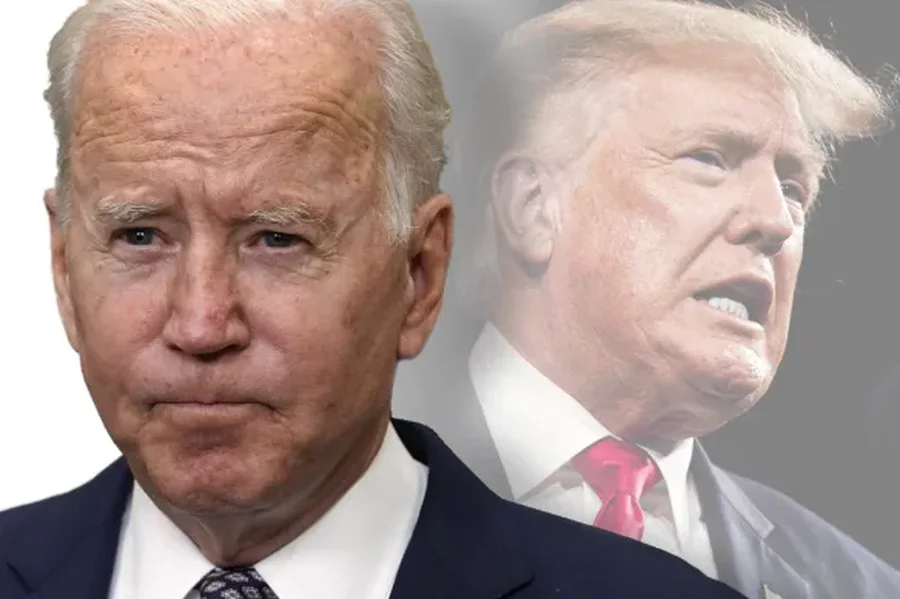
Americans should fear the rise of populist nationalism in their own country more than the rise of China. Populist measures, such as leaving NATO or refusing to support Ukraine, would greatly damage American soft power.
Most Americans believe the US is in decline and Donald Trump claims he can "make America great again". However, Trump's original idea is simply wrong, and the "cures" he proposes represent the biggest threat to the US.
Americans have a long history of worrying about the country's potential weakening. Soon after the founding of the Massachusetts Bay Colony in the 17th century, some Puritans began to lament the loss of their former virtues.
In the 18th century, the founders studied the history of ancient Rome to consider how they could preserve the new American republic. In the 19th century, Charles Dickens noted that, if Americans are to be believed, their country is "always depressed, always stagnant, always in dire straits, and always has been." In 1979, a drawing of the Statue of Liberty with a tear rolling down its cheek was published on the front page of a magazine devoted to the topic of national decline.
I call it the "golden glow of the past" that has long attracted Americans, but in reality America has never had the power and strength that many attribute to it. Even with superior resources, America often failed to get what it wanted.
Those who believe that the world today has become more complex and disordered than in the past should recall, for example, the events of 1956, when the US was unable to prevent the Soviet Union from suppressing an uprising in Hungary, and our allies - Britain, France and Israel - occupied the Suez Canal Zone. To paraphrase the comedian Will Rogers, "hegemony is not what it was and never was." Periods of "decadent mood" tell us more about population psychology than geopolitics.
Still, it's clear that the idea of decline is touching a raw nerve in American politics, making it reliable fuel for partisan agitation. Sometimes concern about decline leads to protectionist measures that do more harm than good. And sometimes periods of arrogant confidence lead to overexertion, as in the case of the Iraq war. There is nothing good in overestimating or underestimating American strength.
Në gjeopolitikë, është e rëndësishme të bëhet dallimi midis rënies absolute dhe relative. Nëse krahasojmë, rezulton se Amerika hyri në një gjendje rënieje menjëherë pas përfundimit të Luftës së Dytë Botërore. Pjesa e saj në ekonominë botërore nuk ishte kurrë më e barabartë me gjysmën dhe humbi monopolin e saj mbi armët bërthamore (të cilat BRSS i fitoi në 1949). Lufta forcoi ekonominë amerikane dhe dobësoi të gjithë të tjerët. Por pjesa tjetër e ekonomive të botës u rimëkëmbën dhe deri në vitin 1970 pjesa e Amerikës në PBB-në globale kishte rënë në një të tretën (rreth njësoj si përpara Luftës së Dytë Botërore).
Presidenti Richard Nixon e pa këtë si një shenjë rënieje dhe e ndau dollarin nga standardi i arit. Por ka kaluar gjysmë shekulli, dominimi i dollarit mbetet dhe pjesa e SHBA-së në PBB-në globale është ende e barabartë me një të katërtën. Përveç kësaj, "dobësimi" i Amerikës nuk e pengoi atë të fitonte Luftën e Ftohtë.
Sot, rritja e Kinës përmendet shpesh si dëshmi e rënies së Amerikës. Duke parë ekskluzivisht ekuilibrin e fuqisë midis SHBA-së dhe Kinës, mund të shihet me të vërtetë një ndryshim në favor të Kinës, e cila në terma krahasues mund të konsiderohet një rënie amerikane. Por në terma absolutë, SHBA është ende shumë më e fortë dhe do të mbetet e tillë. Kina është një konkurrent shumë mbresëlënës, por ka dobësi serioze. Dhe në balancën e përgjithshme të fuqisë, SHBA ka të paktën gjashtë avantazhe afatgjata.
Së pari, gjeografia. SHBA-ja është e rrethuar nga dy oqeane dhe kufizohet me dy vende mike, ndërsa Kina kufizohet me 14 vende, disa prej të cilave ka mosmarrëveshje territoriale, duke përfshirë Indinë. Së dyti, SHBA-ja ka pavarësi relative energjetike, ndërsa Kina është e varur nga importet.
Së treti, fuqia e Amerikës vjen nga institucionet e mëdha financiare transnacionale dhe nga roli ndërkombëtar i dollarit. Një monedhë rezervë e besuar duhet të jetë lirisht e konvertueshme dhe të mbështetet në tregjet e thella të kapitalit dhe sundimin e ligjit. Kina nuk ka asgjë nga këto. Së katërti, Shtetet e Bashkuara kanë një avantazh krahasues demografik. Është i vetmi vend i madh i zhvilluar që parashikohet të ruajë pozicionin e tij (i treti) në renditjen e popullsisë botërore. Gjatë dekadës së ardhshme, shtatë nga 15 ekonomitë më të mëdha do të kenë një fuqi punëtore në tkurrje; në SHBA, megjithatë, forca e punës pritet të rritet, ndërsa në Kinë ajo arriti kulmin e saj që në vitin 2014.
Së pesti, Amerika ka qenë prej kohësh lider në teknologjitë kryesore (bioteknologji, nanoteknologji, teknologji informacioni). Kina investon shumë në kërkime dhe zhvillim (dhe ka një rekord të mirë për patentat), por sipas renditjes kineze, institucionet shkencore dhe arsimore të vendit ende mbeten prapa atyre në Shtetet e Bashkuara. Së fundi, sipas sondazheve ndërkombëtare, SHBA është përpara Kinës kur bëhet fjalë për fuqinë e butë dhe atraktivitetin e vendit.
In other words, in the 21st century superpower competition, the United States holds the upper hand. However, if Americans succumb to the hysteria over China's rise, or relax into thinking that this rise has passed its peak, then America may be playing its cards wrong. A serious mistake would be to give up assets, such as strong alliances and influence in international organizations. Not only would that not make America great, it would also make America too weak.
Americans should fear the rise of populist nationalism in their own country more than the rise of China. Populist measures, such as leaving NATO or refusing to support Ukraine, would greatly damage American soft power. If Trump wins the presidential election in November, then this year could be a turning point for American power. The feeling of weakness could finally be justified.
Even if a country maintains a dominant external power, it may lose its internal values and attractiveness to others. The Roman Empire continued to exist long after the republican form of government was lost. Representing the American form of government chosen by the founders, Benjamin Franklin declared: "A republic, if you can keep it." Given the growing polarization and fragility of American democracy, it is precisely this development that could cause America's downfall./ Taken from Project Syndicate








Lini një Përgjigje