


 Shkruar nga Nga redaksia Pamfleti – Shkodër | Podgoricë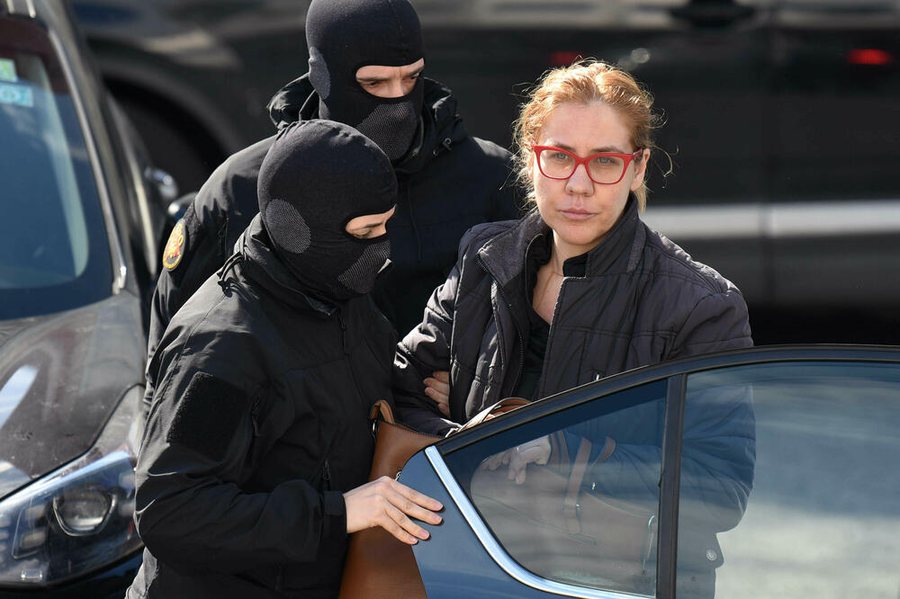
400 thousand euros in Podgorica will land you in jail: What about 100 million euros in Tirana?
The arrest of Vesna Bratić in Montenegro for alleged damage of around 400 thousand euros from illegal vacations in education is a clear political and criminal message: administrative decisions have costs and costs have a name.
The case is being investigated by the Special State Prosecution Office and the signal is brutal for the political class of Podgorica; the budget is not the property of the party.
In Tirana, the scene is both noisier and quieter at the same time.
According to reports from the Supreme State Audit Office and the practice of the Administrative Court of Appeal, the Albanian state pays millions of euros every year for illegal dismissals.
The annual bill ranges between 6 and 12 million euros.
In a decade, the cumulative figure has exceeded 80–100 million euros. It is money, derived from taxes, for decisions that the courts call illegal. But unlike Podgorica, in Tirana SPAK is silent.
This is where the Albanian paradox begins. In Montenegro, 400,000 euros is considered sufficient to criminally investigate a former minister.
In Albania, when the damage multiplies dozens of times, responsibility dissolves into collegiality, into disciplinary committees, into chain signatures. No one is the author, because everyone is a co-signer. And when responsibility is distributed, it disappears.
Political dismissals in Albania are not an incident, they are a system. Every rotation of power is accompanied by an administrative purge. The administration is treated as electoral spoils, not as a neutral state body. Then come the trials. The state loses. The budget pays. And the cycle begins again. This is the institutionalized model of impunity.
The question is no longer whether there is economic harm; it is documented.
The question is whether or not economic damage constitutes criminal liability.
If 400 thousand euros in Podgorica raises suspicions of abuse of office, what are 10 million euros a year in Tirana? A technical error? An administrative misunderstanding? Or an ingrained culture of using the state as "father's property"?
If the Special Structure against Corruption and Organized Crime were to apply the same proportional standard as its Montenegrin counterparts, the panorama would be shaken. Investigations would not stop at tenders or classic bribery, but would move towards a less spectacular but much more costly phenomenon: the hemorrhaging of the budget from illegal political decisions.
The Bratic case is not simply an individual issue. It is a mirror where Albania sees itself and avoids looking. Because if the standard is that financial damage has an author, then Albanian politics must face an unpleasant reality: the millions paid in silence are not administrative disasters, but the product of concrete decision-making with names and surnames.
The difference between Podgorica and Tirana is not in the numbers. It is in the willingness to link the bill with responsibility. And until this connection is made equally, 400 thousand euros will seem like selective decisions, while 100 million euros will seem like Albanian political normality./ Pamphlet



Mund te hetohete ne shqiperi politikane vioa ish ministra dhe kabineti qevirita dhe ish kyeministra
Jemi 50 vjet prapa Malit të Zi, mos u matni me të, as me Kosovën!!
Jo për 400 mijë euro,po me qene në një shtete normal edhe për 400 euro del para gjygjit!