


 Shkruar nga Diplomatico | Pamfleti.net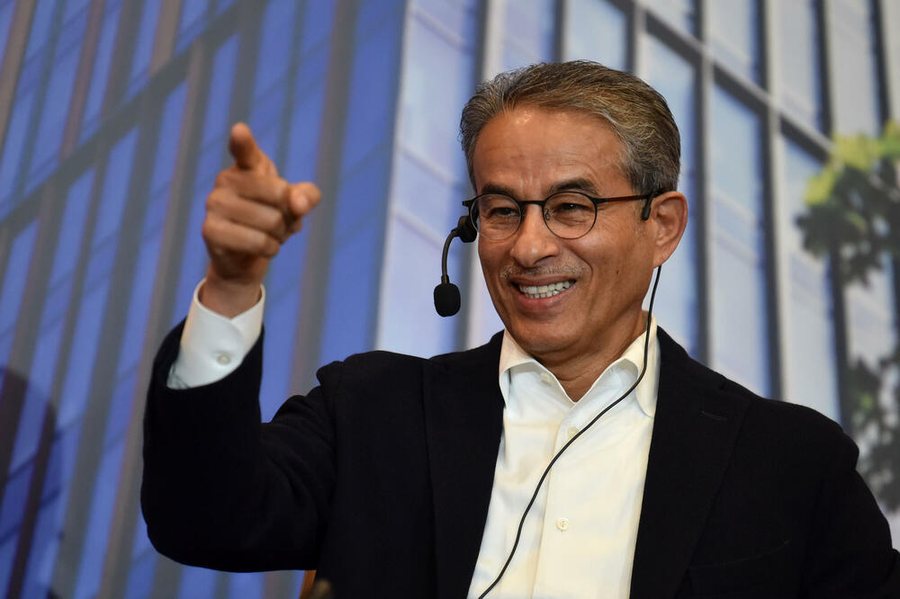
With projects blocked in Albania, Montenegro and Serbia, the Emirati billionaire is facing resistance in the region's ports, beaches and strategic lands...
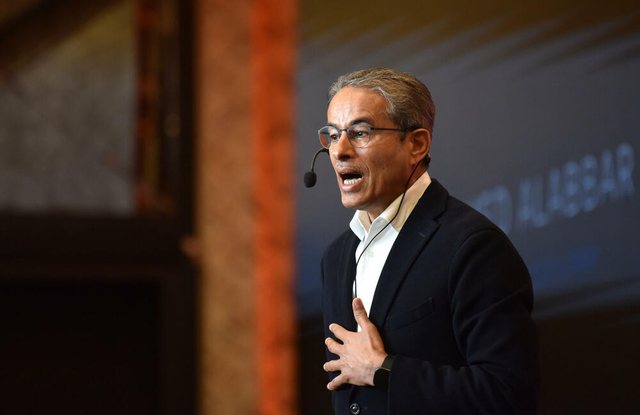
Mohamed Alabar, the investor from the United Arab Emirates, known globally for the Burj Khalifa project, is increasingly emerging as a controversial name in the Balkans.
Although promoted by governments as a symbol of development and modernization, his major projects in Albania, Montenegro, and Serbia are facing deep legal, political, and civic problems. The Port of Durres, Ulcinj's Velika Plaža, and luxury projects in Belgrade are transforming from symbolic projects into conflict files.

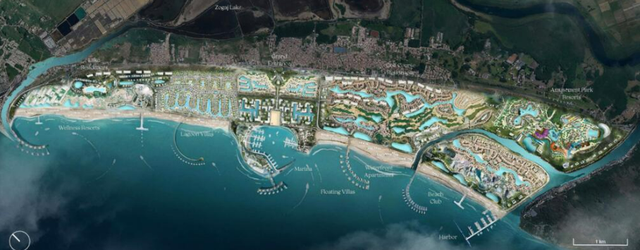
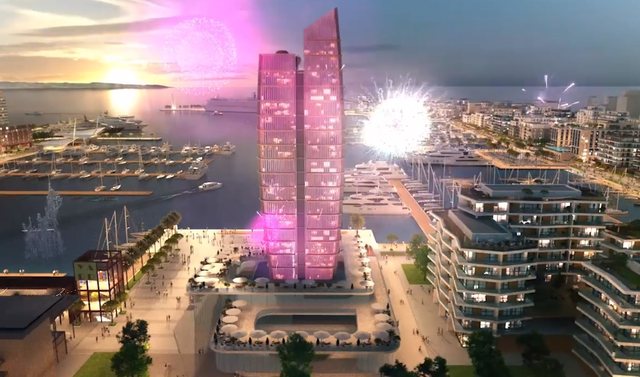
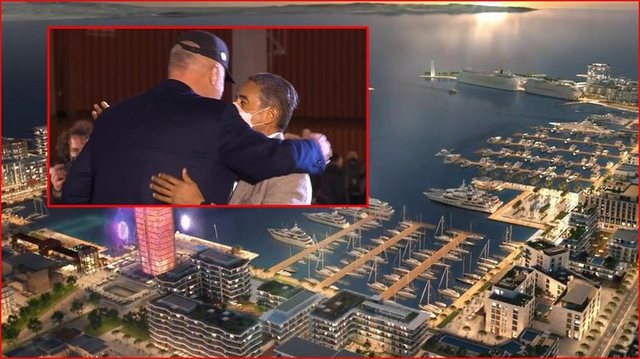
In Albania, Alabar has signed one of the most controversial contracts of the decade: the project to transform the port of Durres into a luxury marina with towers, shopping malls and resorts. This project, promoted by the Rama government as "the largest tourist project in the Balkans", was harshly criticized by the opposition, the media, economic experts and civil society, who denounced a lack of transparency, the destruction of industrial heritage and a risk to port security. After the initial uproar, interventions on the ground have stopped and to date there has been no concrete progress while the contract remains part of investigations and public debate.

In Montenegro, civic resistance is holding up the next project. Alabar is not giving up on his ambition to build a giant tourist complex on Ulcinj’s Velika Plaža. Despite attempts to buy land and cooperate with local owners, the backlash from the community and environmental organizations has been strong. His plan was suspended in the spring after massive protests, but he has announced a comeback, negotiating directly with individual owners, outside of official urban planning.

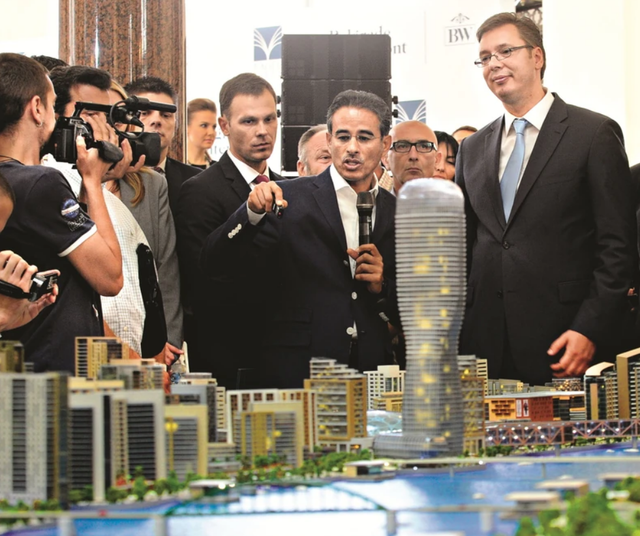
In Serbia, Alabar is facing similar obstacles. The Belgrade Waterfront project, a luxury development on the banks of the Sava River, has been the subject of fierce criticism. Belgraders and the opposition see it as a brutal privatization of public space, with shady contracts, dubious expropriations, and surprise legal changes. While several towers have been built, transparency over financing and ownership remains unclear, and public-private partnership schemes raise suspicions of money laundering.
The Alabar model is clashing with the Balkan reality: territories with high political sensitivity, conscious communities, historical heritage and lack of government transparency. In all three countries, his projects are producing polarization: governments call them a development opportunity, citizens see them as territorial plunder with a tourism veil.

If the Balkans allow ports, coasts and rivers to be privatized in the name of "development", without standards, without competition and without transparency, it endangers not only the environment and heritage, but also economic sovereignty. The Alabar case is not just a history of construction, but a test for the character of Balkan states and the role of citizens in protecting public property.
Essentially, Alabar exploits corrupt powers. He does not come where there are strong institutions, accountability and free media. He operates in countries where decisions are made behind closed doors, where contracts are secret and where corruption at the highest levels guarantees permission, facilities and silence. His investments are not a consequence of the free market, but of political clientelism. This makes each of his projects not only economically dubious, but also a threat to democracy and the independence of national decision-making. / Pamphlet



Turistë arabë nik a në Shqipëri ,pse duhen ndërtome arabe? Për bordello, Për kasomo apo diçka tjetër?
Po cfare investimi te Albarit. Keto po perdorin emrin e Alabarit per te vjedhur pronen publike e pastruar parate. Ndiqni vetem rrjedhen e kontratave dje nenkontraktimeve, xhirimet e lejeve dhe zberthehet skema. Jane te gjithe bashke. Po kush ta hetoje