


 Shkruar nga Pamfleti
Balla: We have changed the controversial articles
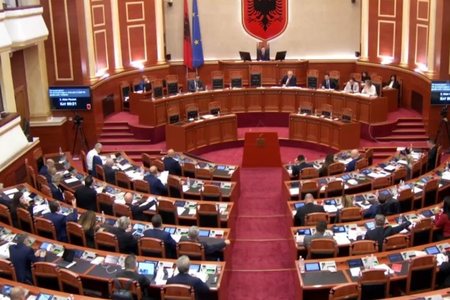
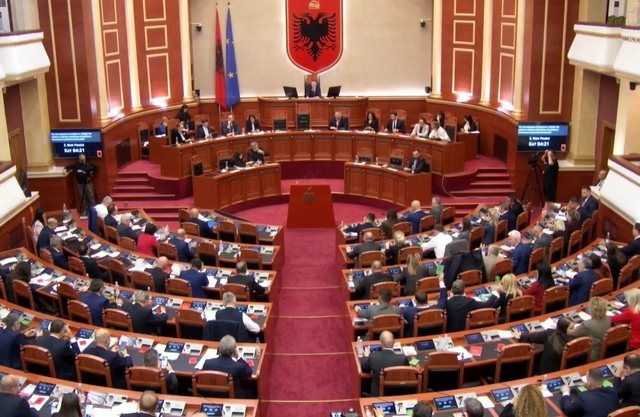
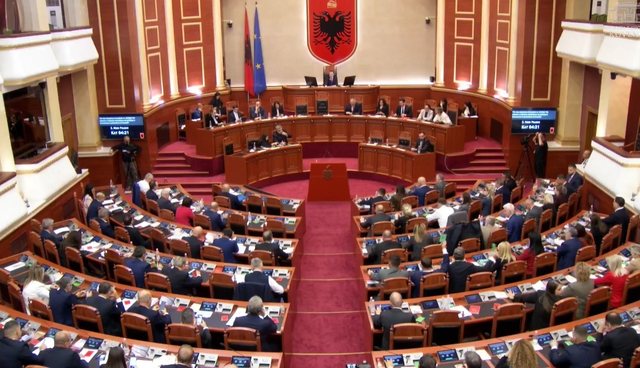
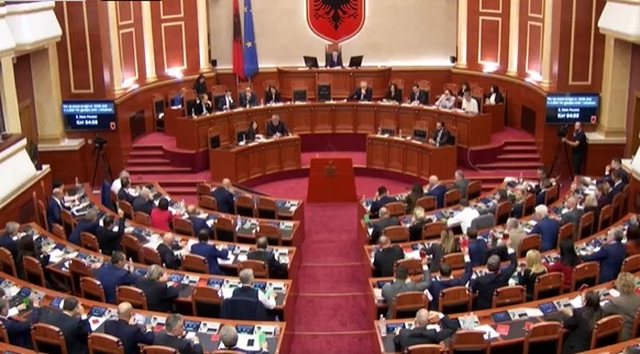
The Assembly has approved the law on gender equality. After marathon debates, voting on the agenda began a little while ago and the most controversial law passed with 77 votes in favor and 36 votes against.
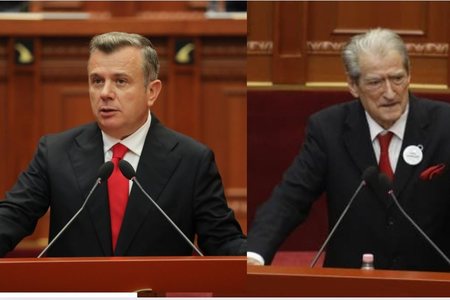
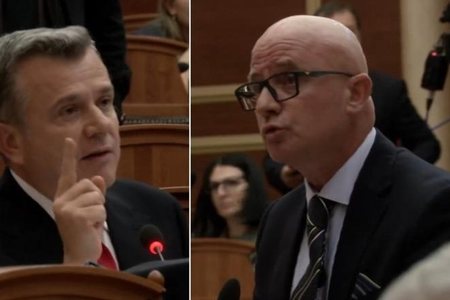
The leader of the SP group, Taulant Balla, stated that changes have been made to the law, removing those provisions that have become the subject of debate.
" Gender was in the first version, according to this law it has a comprehensive meaning in accordance with the principles of equality of non-discrimination regarding gender identity and expression. Rewritten: Gender means the roles constructed in the social context, the behaviors, activities and attributes that a given society considers appropriate for women and men. Multiple affiliation was... listen carefully... the interrelation, the combination of gender with other characteristics such as age, disability, migrant background, ethnicity, sexual orientation or socio-economic background, changes and becomes: Multiple affiliation, interrelation, the combination of gender with various characteristics provided for in the legislation in force for protection from discrimination ", said Balla.
But why did this law cause so much debate?
Initially, when the draft law was released for public consultation in March 2025, the definition was clear and narrow: Women and men within the meaning of this law also mean girls and boys.
But during the consultation process, the LGBTI Alliance requested that the law not be limited to just two gender categories, but include other identities, as is the case in many Western countries that have recognized more diverse gender realities.
The Ministry of Health and Social Welfare accepted this proposal, and in the final version, the term "gender" now takes on a new legal meaning: Gender, according to this law, has a comprehensive meaning in accordance with the principles of equality and non-discrimination regarding gender identity and expression.
This change was also reflected in other articles of the law, making it clear that it is not just a linguistic modification, but a conceptual and legal change that recognizes gender categories beyond man and woman.
However, the law does not include a concrete list of non-binary genders, leaving interpretation and practical implementation open.
In international debates, up to 70+ gender identities have been identified, from the most common such as non-binary, queer, or asexual, to more specific categories. / Pamphlet



Mos e bofshi piken e hajrit kush votoi jeni plera turpi shqipnos
Ky parlodo të mbahet mend për Tradhti Kombëtare,për varfëri ekstreme të popullit shqiptar,për injorancën e deputetëve,për kriminalitetin e lartë,për abuzim me pushtetin,për ligje vrasëse të familjes shekullore shqiptare,për një Krimministër bandit,kriminel,vrasës i popullit me Gogolin e Urisë që quhet ndryshe edhe si:Krim Kundër Njerëzimit sipas OKB-SË ????????