


 Shkruar nga Pamfleti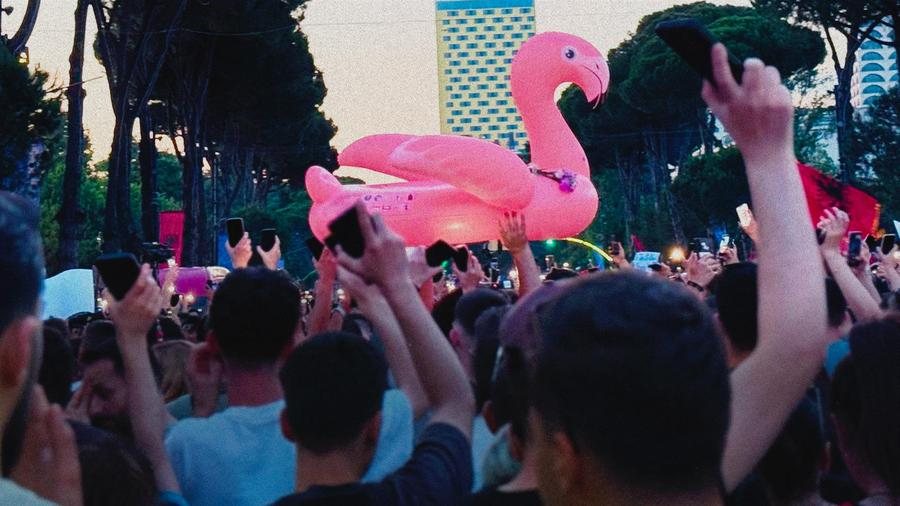
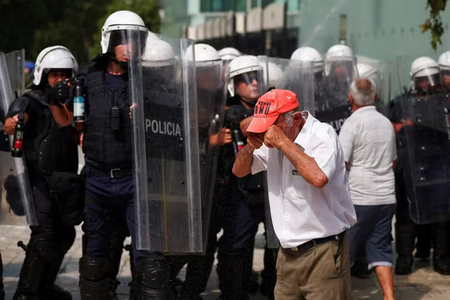
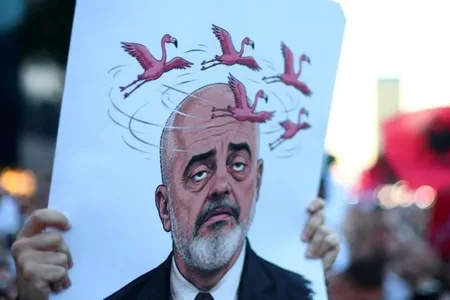
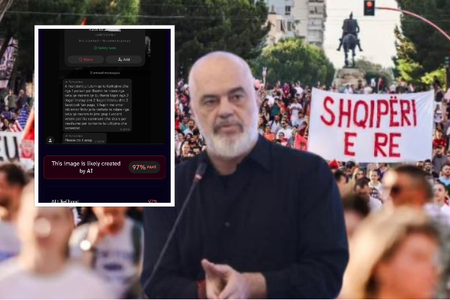
For more than a month, Albania has been experiencing a wave of protests that has had no precedent in recent years. On June 20, in Tirana, tens of thousands of citizens took to the streets to protest against the government, systemic corruption, and the growing influence of local oligarchs and foreign investors. The protest took the symbolic name "Flamingo Revolution," referring to the birds that inhabit Albanian lagoons and which, like the movement, quickly spread throughout the country.
The first cause was a construction project: a $4 billion luxury resort planned on the island of Sazan, a protected and one of the last untouched areas in the Mediterranean. The project, linked to international interests, was perceived by many citizens as another case of giving away national assets in favor of private interests.
However, according to Debora Angeli , an activist and collaborator of the COSPE organization, present in Albania for 30 years, this was just the moment that exploded the long-accumulated dissatisfaction.
Over the past few decades, Albania has undergone a profound transformation: from the fall of the communist regime to a development model that, according to critics, has been characterized by a "predatory capitalism" and pronounced individualism. This process has favored the concentration of economic power in a few hands, creating oligarchies with influence in the media, construction and other strategic sectors, often also linked to the informal economy or illegal activities. As a result, many citizens perceive the system as deeply unequal, with a weak welfare state and limited opportunities, while emigration continues to empty the country.
Environmental protection was the first spark, but the protest quickly took on a broader dimension. The slogan "Albania is not for sale" encapsulates the widespread sentiment against the transfer of natural resources, territories and infrastructure into the hands of foreign interests, without visible benefits for local communities. For this reason, the mobilization also includes opposition to other projects, such as the construction of hydroelectric power plants and tourist developments that are considered harmful to the environment.
Tourism represents one of the most visible contradictions of this development. On the one hand, it has brought economic growth and raised Albania’s international profile. On the other, critics say, it has fostered exclusive and unsustainable development models. Luxury resorts and the privatization of the coastline limit citizens’ access and put pressure on vital resources, such as water, creating new social tensions.
What makes this mobilization particularly significant is its nature. The movement has no recognized leaders or a traditional political structure. It is horizontal and inclusive, uniting families, young people, the elderly, and the diaspora. Protesters eschew classic political divisions between left and right, focusing on a common goal: changing a system they consider corrupt.
The protesters' demands include the repeal of laws that, according to them, favor speculation and the concentration of power, the halting of major contested projects, the resignation of the government, and the holding of new elections.
Beyond these demands, the "Flamingo Revolution" is seen as an expression of a deeper cultural shift. The goal, according to the movement's supporters, is to break away from hierarchical and clientelistic models and build more democratic and inclusive forms of civic participation.
According to Debora Angeli, it is an "unforeseen historical event." This definition reflects the nature of a movement that continues to evolve and whose outcomes cannot yet be predicted. It remains to be seen whether this civic energy will translate into concrete political change or be absorbed by the system it opposes.
Meanwhile, protests in Albania continue. Flamingos, a symbol of the fragile balance between nature and development, remain a reminder of what, according to protesters, is at stake. /Adapted from Pamphlet/




Lini një Përgjigje