


 Shkruar nga Hava Orana Xhukolli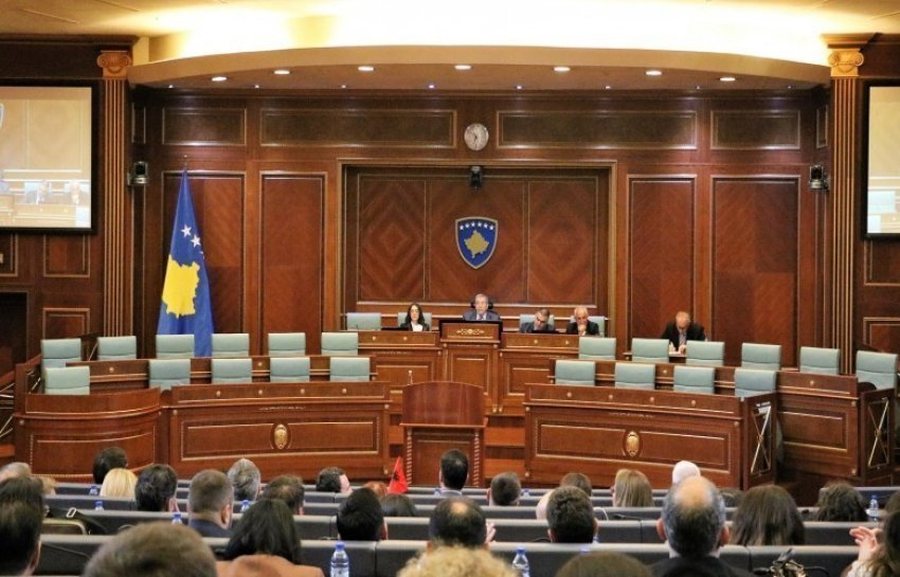
The parliamentary elections held for the second time within the past year brought significant changes in the results. Although two rounds of elections resulted in the Vetëvendosje Movement winning, the latter ones further deepened the position's victory, while the opposition, since February 9, has 'damaged' it even more.
Vetëvendosje won more seats on December 28 (around 56) compared to 48 on February 9. The Democratic League of Kosovo had 20 seats on February 9, while on December 28 it fell to around 15 seats according to preliminary results, meaning that some of its deputies elected in February were not re-elected this time.
The Democratic Party of Kosovo appears to have maintained a similar level of support and has similar mandates, suggesting that most of its deputies elected in February may have been re-elected or not have lost many seats.
NISMA had mandates on February 9, but according to preliminary results in December, it came out without mandates, which means it did not pass the threshold.
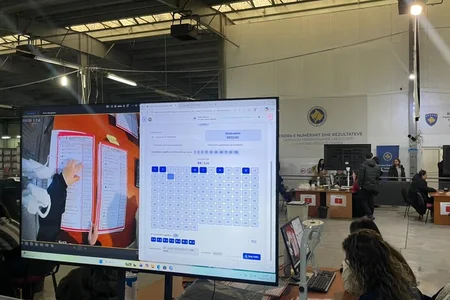
However, there are still no final results on who the new elected members of the Kosovo Assembly are. However, from what has been presented so far, some of the candidates have declared their victories, indicating that they have secured a seat in the Assembly.
Current affairs experts in the country have talked about how many positive changes there will be among the representatives of political parties.
Bellaqa: Convincing election results, institutional normalization and launch of reforms expected
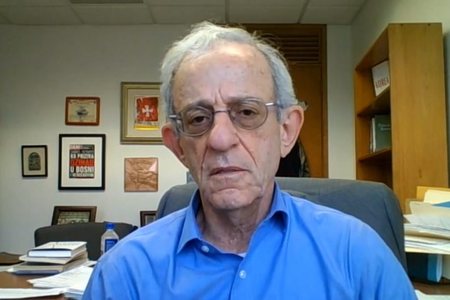
Local affairs expert Jakup Bellaqa estimates that the December elections have produced a clear and convincing result, creating the prerequisites for institutional stability and the normal functioning of the state.
According to Bellaqë, after the certification of the election results, it is expected that central institutions, including the Parliament and the Government, will be formed, as well as the budget for 2026 will be approved.
"The way will be opened for the ratification of international agreements with two-thirds of the votes, which will enable the normalization of institutional life and the return of economic processes to normality ," he emphasizes.
Bellaqa estimates that this development will create space for the launch of necessary economic and social reforms, which, according to him, have been lacking in previous periods.
He also raises the issue of the new political makeup, noting that more new faces have been brought into these elections compared to the February elections.
"Both the majority and the minority have brought in new names, as political parties have utilized their personnel potential, including professionals of various profiles," Bellaqa assesses.
Sipas tij, kjo prurje krijon një konfiguracion të ri politik dhe një peizazh ndryshe institucional, krahasuar me zgjedhjet paraprake, duke ofruar mundësi për qasje më funksionale dhe profesionale në qeverisje.
Hebibi: Kuvendi u rifreskua pjesërisht, por politika ende dominohet nga figura të konsumuara
Presidenti i Institutit Shkencor Helvetik të Evropës Juglindore me seli në Zvicër, Ph. D. Dashnim Hebibi, vlerëson se zgjedhjet e fundit parlamentare në Kosovë janë zhvilluar në një klimë demokratike shembullore dhe janë vlerësuar pozitivisht si nga qytetarët, ashtu edhe nga shtetet e rajonit dhe institucionet evropiane.
Sipas tij, Komisioni Qendror i Zgjedhjeve ka kryer punën në mënyrë profesionale, ndërsa verdikti i qytetarëve tashmë është i qartë dhe i padiskutueshëm.
“Duke krahasuar zgjedhjet e shkurtit me ato të dhjetorit, përbërja e re e Kuvendit ka sjellë disa fytyra të reja dhe deputetë me bagazh profesional, kryesisht nga fusha e arsimit, shoqërisë civile dhe sektorëve bazikë, çka përbën një sinjal pozitiv”, thotë ai.
Megjithatë, ai nënvizon se këto rifreskime nuk janë në nivelin që e kërkon realiteti i Kosovës.
“Kuvendi vazhdon të dominohet nga figura të konsumuara politikisht, të cilat shpesh e shohin mandatin si pronë personale dhe jo si përgjegjësi publike”, vlerëson Hebibi.
Sipas tij, qytetarët kanë dërguar një mesazh të qartë: kërkojnë politikanë të rinj, të dëshmuar me punë konkrete, me karakter dhe ndershmëri, e jo retorikë boshe apo, siç e quan ai, “poezi parlamentare”.
Duke folur për ndikimin e votave të numëruara deri më tani, Hebibi shprehet se priten disa ndryshime pozitive te përfaqësuesit e partive politike, por pa arsye për optimizëm të tepruar.
“Në shumicën e rasteve, qytetarët vazhdojnë të votojnë liderin e partisë dhe jo programin apo ekipin, gjë që dëshmon se partitë politike ende nuk kanë ndërtuar mekanizma të shëndoshë për prodhimin e elitës politike”, thekson ai.
Ai kritikon gjithashtu fenomenin e ashtuquajtur “bërryla politikë” brenda partive, ku gjeneratat e vjetra, sipas tij, nuk u lënë hapësirë të rinjve, edhe kur këta të fundit marrin më shumë vota se deputetët me mandate të përsëritura.
“Kjo qasje i demotivon profesionistët dhe i shtyn të rinjtë e aftë të largohen nga politika ose nga vetë vendi”, paralajmëron Hebibi.
Një tjetër shqetësim, sipas tij, është fakti se disa deputetë, ndonëse fizikisht janë të pranishëm në Kuvend, mendërisht mbeten të lidhur me profesionet e tyre të mëparshme, duke e parë politikën më shumë si status sesa si mision.
“Politika nuk është për këdo. Ajo kërkon përkushtim, modesti dhe etikë publike. Në shtetet evropiane, ministrat dhe deputetët jetojnë normalisht mes qytetarëve dhe përdorin transport publik – sepse modestia është vlerë, jo dobësi”, thekson ai.
Regarding the return of figures from historical families, such as the case of the Rugova family, Hebibi considers this issue debatable, underlining that emblematic families and personalities should be respected as national values, but not necessarily included in active politics, so as not to be symbolically consumed.
In conclusion, Hebibi emphasizes that Kosovo continues to face serious political, economic, energy and social problems. He mentions cases of power outages, such as the one in Peja during the change of weather, emphasizing that these situations directly affect the local economy and small businesses.
"Kosovo has healthy, educated and successful youth, both at home and abroad. It would be very healthy for democracy if the diaspora were offered guaranteed seats in the Assembly, so that it could be directly represented ," he said.
According to Hebib, changes do not happen by themselves, but require courage to step down with dignity and wisdom to make way for new generations.
"It is more honorable to leave successfully than to remain until political exhaustion," he concludes.


Lini një Përgjigje