


 Shkruar nga Pamfleti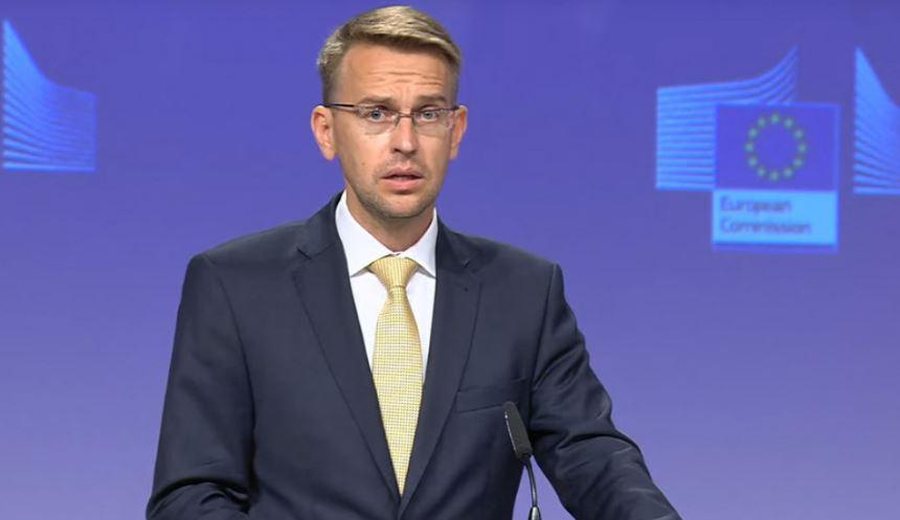
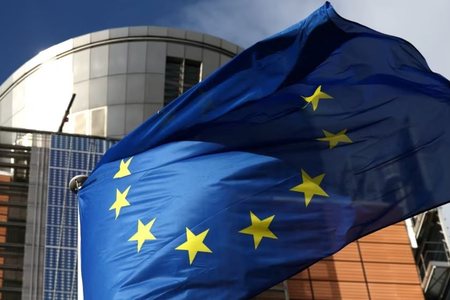
The European Union called on Kosovo on Sunday to avoid unilateral actions that could increase tensions while expressing concern over recent actions by Kosovo institutions to close Serbia's parallel municipalities in Kosovo.
The authorities in Kosovo in recent days have undertaken several operations for, as they said, the closure of the offices of the parallel structures of Serbia that have operated within Kosovo.
The Minister of Internal Affairs Xelal Sveçla announced during the week through social networks that the country's authorities have closed the illegal municipalities that served the municipalities of Peja, Istog and Klina. He said that "the time of illegality has ended and the only institution of Serbia inside Kosovo will be its embassy in Pristina".
The European Union said that the sudden closure of these offices will have negative effects on the daily life and living conditions of the Serbian community in Kosovo as it will limit their access to basic social services given the apparent lack of alternatives at the moment. .
"The status of these structures is expected to be resolved in the dialogue facilitated by the European Union regarding the establishment of the Association of municipalities with a Serbian majority. Therefore, the European Union asks Kosovo to avoid unilateral actions that could increase tensions and to address these issues through the dialogue in Brussels", states the reaction of the European Union.
The German ambassador in Kosovo, Jorn Rohde, who supported the European Union's statement, emphasized that "unilateral measures only add fuel to the fire and are the exact opposite of reducing tensions."
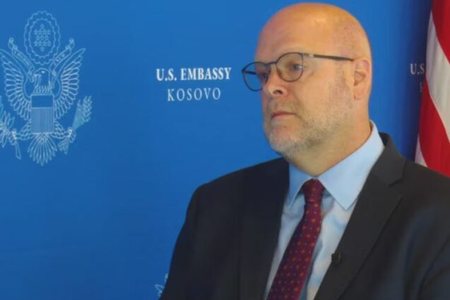
The reactions of the European officials followed that of the American ambassador in Prishtina, Jeff Hovenier, who on Saturday evening through a statement accused the government of Kosovo that, as he said with their recent actions, they are inciting ethnic tensions in the country, which according to him are limiting the support of the States United for Kosovo in the international arena.
Ambassador Hovenier said that the United States government is deeply concerned about recent actions by Kosovo government authorities that have a direct and negative effect on members of ethnic Serbs and other minority communities in Kosovo. He also expressed his concern about the actions of the Kosovo police regarding the seizure of Serbian dinars and the car he was transporting for the distribution of social payments from Serbia.
The decision of the Central Bank of Kosovo, which came into force on February 1, according to which the euro is the only currency that can be used for ready payments in Kosovo, has raised the concern of Western diplomats that the issue could incite new tensions.
The authorities in Kosovo have left open the possibility of a transitional period to resolve the concerns of the Serbian community that continues to use the Serbian dinar, but the United States and the European Union have asked Kosovo to postpone the decision of the Central Bank immediately, which is not advised in advance.
The President of Serbia, Aleksandar Vučić, said on Friday during a press conference in Belgrade that the decision of the authorities in Kosovo to stop the use of the Serbian dinar is aimed at the ethnic cleansing of the Serbs, while he said that he will request an urgent meeting of the Security Council of Nations. United.
The authorities in Kosovo say that the Serbian dinar has always been illegal in the country and has been misused by Serbia to finance parallel structures that have carried out illegal and dangerous actions for the state of Kosovo.
The authorities in Pristina said that communication channels should be opened between the Central Bank of Kosovo and that of Serbia on this issue, but the Serbian president rejected such a possibility, stressing that this would mean recognition of Kosovo's independence, which Serbia continues to oppose. /VOA


Lini një Përgjigje