


 Shkruar nga Pamfleti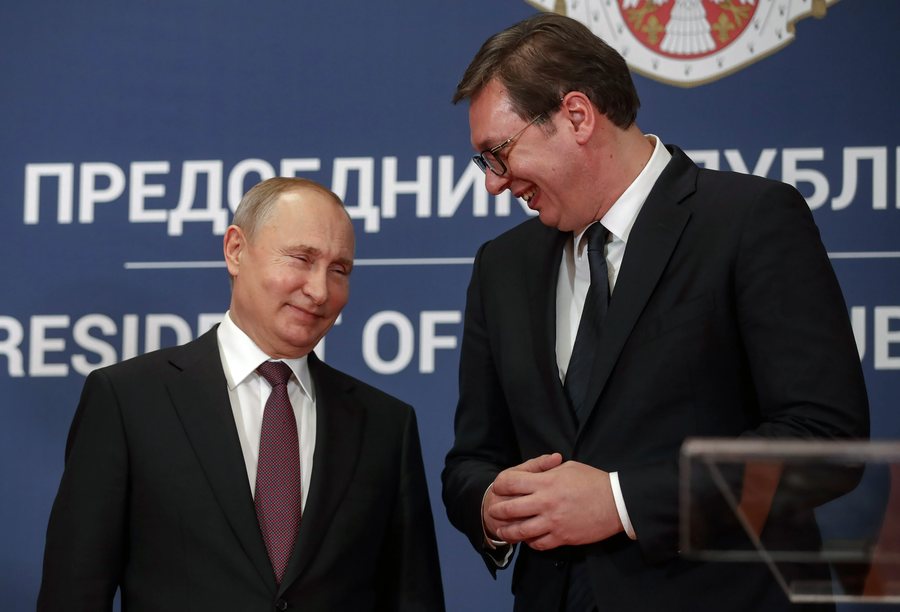
The Balkans will explode if NATO does not take urgent action to quell Russian and Serbian aggression in Kosovo...
In the face of rising tensions, Vladimir Putin's main strategic objective is now clear: to dismantle NATO and expose the alliance's weaknesses. With Russia experiencing setbacks in Ukraine, the immediate threat to NATO members such as Poland and the Baltic states may be somewhat mitigated. However, the Balkans are NATO's weakest arm, presenting a convenient target for Russia's ambitions.
This week, in one of the worst confrontations since Kosovo declared independence from Serbia in 2008, dozens of heavily armed ethnic Serbs attacked police in northern Kosovo and barricaded themselves in an Orthodox church; an incident that left a policeman and three of the attackers dead. The leaders of Kosovo, of course, described it as a terrorist attack. The Serbian president, Aleksandar Vucic, denied any involvement, complaining to Russia's ambassador to Serbia that Kosovo's prime minister, Albin Kurti, was carrying out "brutal ethnic cleansing" with the support of the West.
This escalation is a dream come true for Moscow. Serbia and Russia have been preparing the Serbs for escalation in Kosovo for months, stoking tensions in the Balkans to distract the West from its war in Ukraine. They have flooded the information space with propaganda repeating the old claim that Kosovo belongs to Serbia - a propaganda article argued that Great Britain is preparing a war there. As any student of Balkan history knows, such rhetoric has fueled ethnic violence in the region before.
Russia was quick to capitalize on the incident: a Russian spokesman declared that "additional Western pressure" was bringing "the entire Balkan region to a dangerous brink." Putin knows he doesn't need to send military forces to the Balkans – he can use hybrid warfare to destabilize the region and re-establish Russia as the only credible negotiator of the conflict there. This plan accomplishes three goals: to distance the West from Ukraine, to strengthen Moscow's regional position, and to give Putin leverage over Western powers if they want to prevent the escalation of conflict in the region.
Serbia also benefits
Vucic has been escalating and then de-escalating in Kosovo by positioning himself as a pillar of stability and using it as a bargaining chip with the West. Vucic's ultimate goal is to retain power, and the Kosovo crisis helps him divert attention from his domestic political issues and boost support for the upcoming elections.
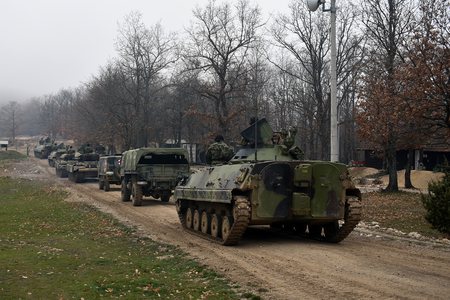
On Friday, the White House took the unprecedented step of publicly warning of a "major Serbian military deployment along the border with Kosovo." As dangerous as this is, Vucic knows he doesn't need to send in the army. Instead, he can use Putin's playbook and send unmarked "little green men" soldiers to undermine Kosovo and create plausible deniability. Perhaps this is exactly what has already happened.
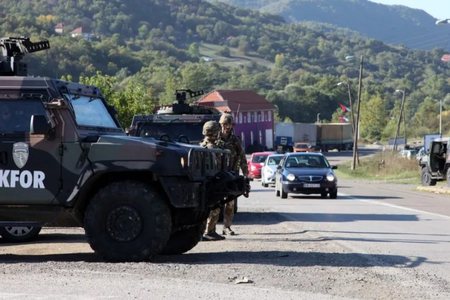
NATO has announced it is strengthening its troop presence in Kosovo – with the UK Ministry of Defense transferring command of an army battalion to NATO to provide assistance – but it must do more, and quickly, to to quell the violence and to warn Russia and Serbia. More urgently, it must speed up its information operations at home and abroad. Another Kosovo crisis could easily spill over into North Macedonia, a NATO member, and would have major implications for European defense at a time when the US is preoccupied with its upcoming elections. This is a dangerous moment, but few are talking about it.
Three decades after the bloody breakup of Yugoslavia, ethnic tensions in the Balkans have never disappeared. Despite NATO's overall military superiority, it has a weak hand in the Balkans, and Russia continues to outmaneuver it there. It is time for NATO to strengthen its presence in the region and put Russia on the defensive./ Adapted "Pamphlet" from "The Telegraph"





Lini një Përgjigje